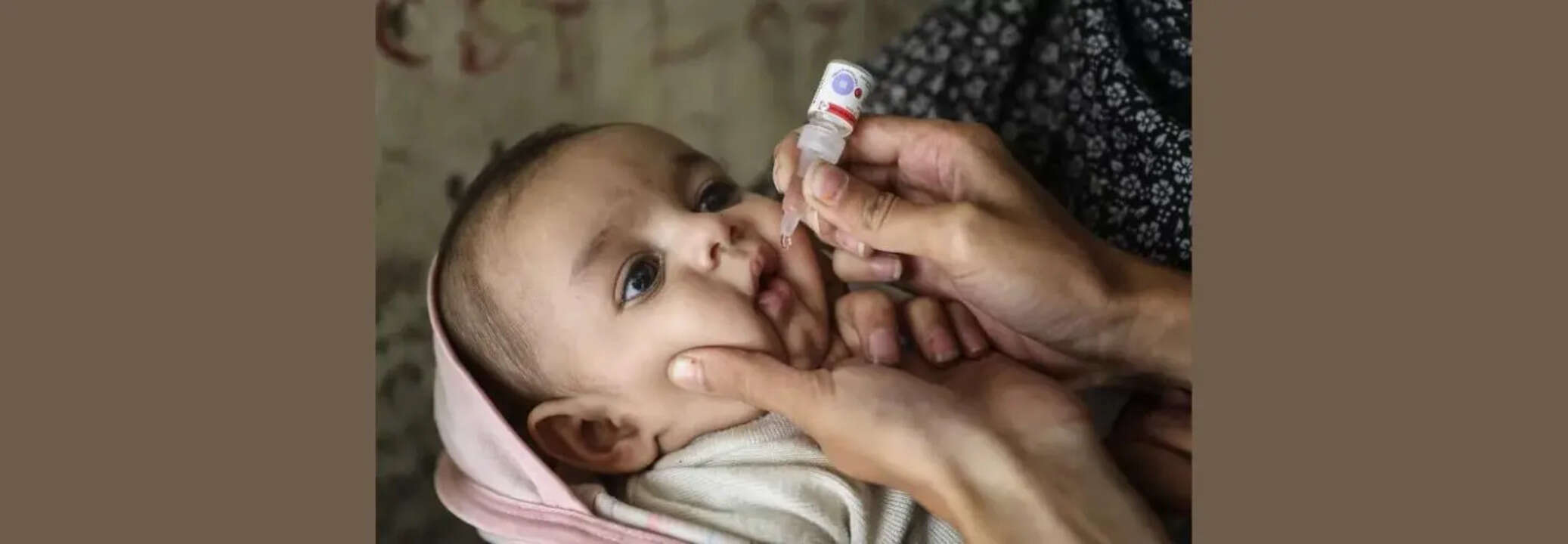
A two-year-old boy in Meghalaya's remote village of Tikrikilla has been diagnosed with symptoms of Polio, a disease that was last reported in India 13 years ago. It is yet to be ascertained if it is a wild poliovirus or a circulating vaccine-derived poliovirus. It is pertinent to note that polio or poliomyelitis is a viral infection that targets a person's nervous system and can cause paralysis or even death. India was declared polio-free in 2014 and if the case is confirmed then it could mark the return of the deadly viral infection. Meanwhile, the Meghalaya government has alerted the World Health Organization (WHO) about the case. On Wednesday, Chief Minister Conrad K Sangma said his government will review the situation regarding the suspected case before issuing an official statement and outlining a plan of action. "We need to be very careful, the government is still determining the specifics of the case, I will review this in a couple of days...we are determining many factors and will come up with an official statement as well as a plan of action," he said.India Eradicated Polio In 2014Polio is highly contagious and can be transmitted through droplets from sneezing or coughing, as well as through contact with virus-laden faeces, also known as stool. The virus can easily spread and enter the body through the mouth, and it can also be present in water contaminated with feces from a person infected with the poliovirus. In 1994, India launched the Pulse Polio Immunization Program to eradicate polio, which at the time accounted for about 60% of global cases. In January 2011, the last reported cases of wild polio in India were in West Bengal and Gujarat. Subsequently, in 2014, the WHO declared India polio-free.