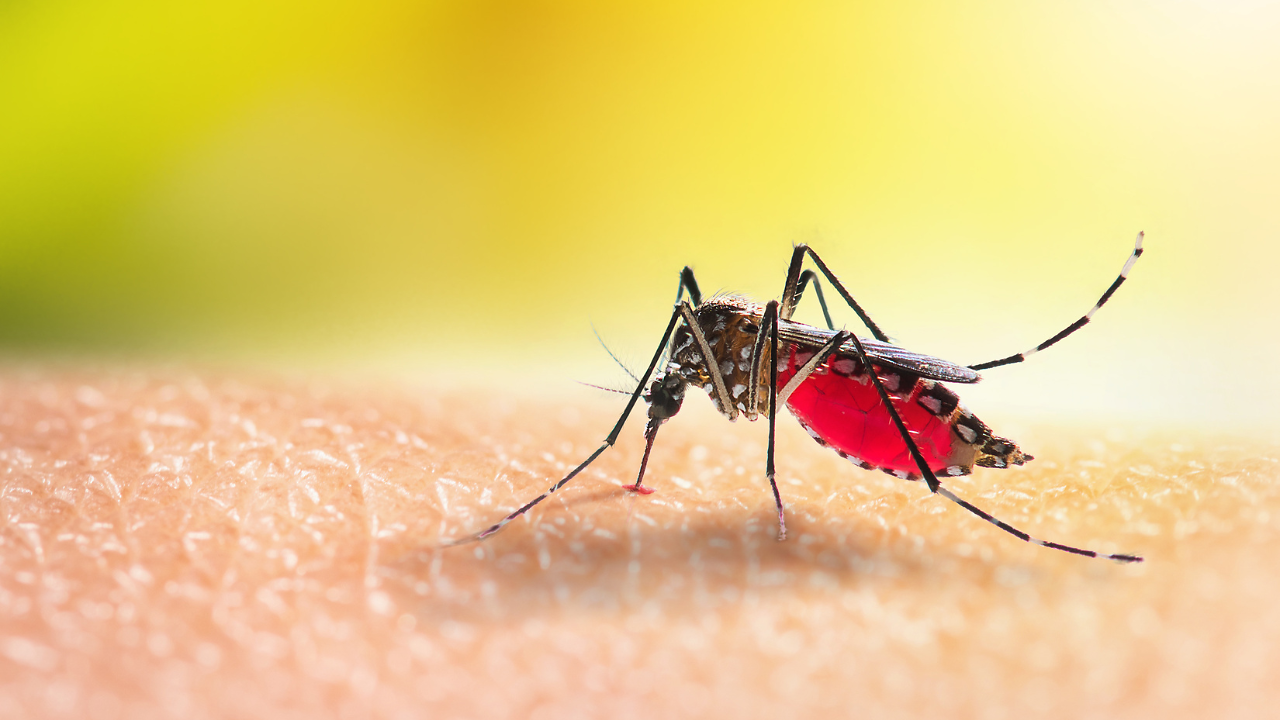
Delhi has reported 121 dengue cases so far in September, taking the city’s total this year to 432, according to recent data from the Municipal Corporation of Delhi (MCD). September has recorded the highest number of dengue cases in a single month so far this year, accounting for more than a fourth of the total cases as the monsoon season continues. The month has also recorded the highest number of malaria cases so far this year, with no malaria-related deaths reported, according to MCD data. The Delhi reported 90 dengue cases in August. Malaria cases rose from 17 in July to 53 in August, taking the cumulative malaria tally to 119 by the end of August, according to the MCD. Highest Dengue Cases Also read: ICMR Study Shows Pune Dengue Mosquitoes Resistant To Insecticides: What It Means for Public HealthAccording to the MCD’s weekly vector-borne disease report, the national capital recorded 71 new dengue infections over the past week alone. West Delhi has reported the highest number of dengue cases this year, with 57 cases, followed by Central Delhi with 54 and Shahdara North with 50. Delhi had reported 619 dengue cases during the corresponding period in 2025, compared with 709 in 2024, 2,097 in 2023 and 295 in 2022. Malaria Cases Also Rise Delhi has recorded 183 malaria cases so far this year, including 64 cases in September, the highest monthly figure reported this year. However, no malaria-related deaths have been reported, the MCD data showed. The capital has also recorded 24 chikungunya cases so far this year, compared with 46 during the corresponding period in 2025. Two chikungunya cases have been reported in September so far. Read More: Will India Be Malaria-Free By 2030? 160 Districts Report Zero Cases Over 3 Years; Burden Falls 80% In A DecadeIs Climate Behind Dengue Spread? Temperature and other environmental conditions can affect mosquito survival, reproduction and biting behaviour, as well as how quickly the dengue virus develops inside the mosquito. Warmer conditions can create more favourable conditions for dengue transmission and potentially expand the areas where dengue-carrying mosquitoes can survive. Recently released WHO's Global Public Health Situation Analysis – El Niño 2026 also identified India among countries facing high or very high health risks as El Niño event is on its way to alters weather patterns across South Asia. El Niño is a periodic warming of surface waters in the central and eastern tropical Pacific Ocean that can disrupt weather patterns around the world. As per the WHO assessment identified India is at high or very high risk, with most of South Asia, for a drier-than-normal conditions and above-normal heat during August-October. Such changes in temperature and rainfall can influence mosquito populations and the transmission of vector-borne diseases. READ: Dengue Is Spreading Beyond Monsoons And Into New Regions Across India, Says ExpertHow To Prevent Mosquito Bites To lower your risk of dengue and other mosquito-borne diseases: Wear clothes that cover as much of the body as possibleUse mosquito nets, ideally treated with insect repellent, when sleeping during the dayInstall window screensUse repellents containing DEET, picaridin or IR3535. Use mosquito coils and vaporizers. How To Stop Mosquitoes From Breeding Remove places where water can accumulateDispose of solid waste properlyCover, empty and clean domestic water-storage containers weekly. Remove artificial containers that can hold water. Use appropriate insecticides in outdoor water-storage containers. Mosquito surveillance and control programmes, along with measures to eliminate breeding sites, are important for reducing the spread of dengue, malaria and other mosquito-borne diseases.