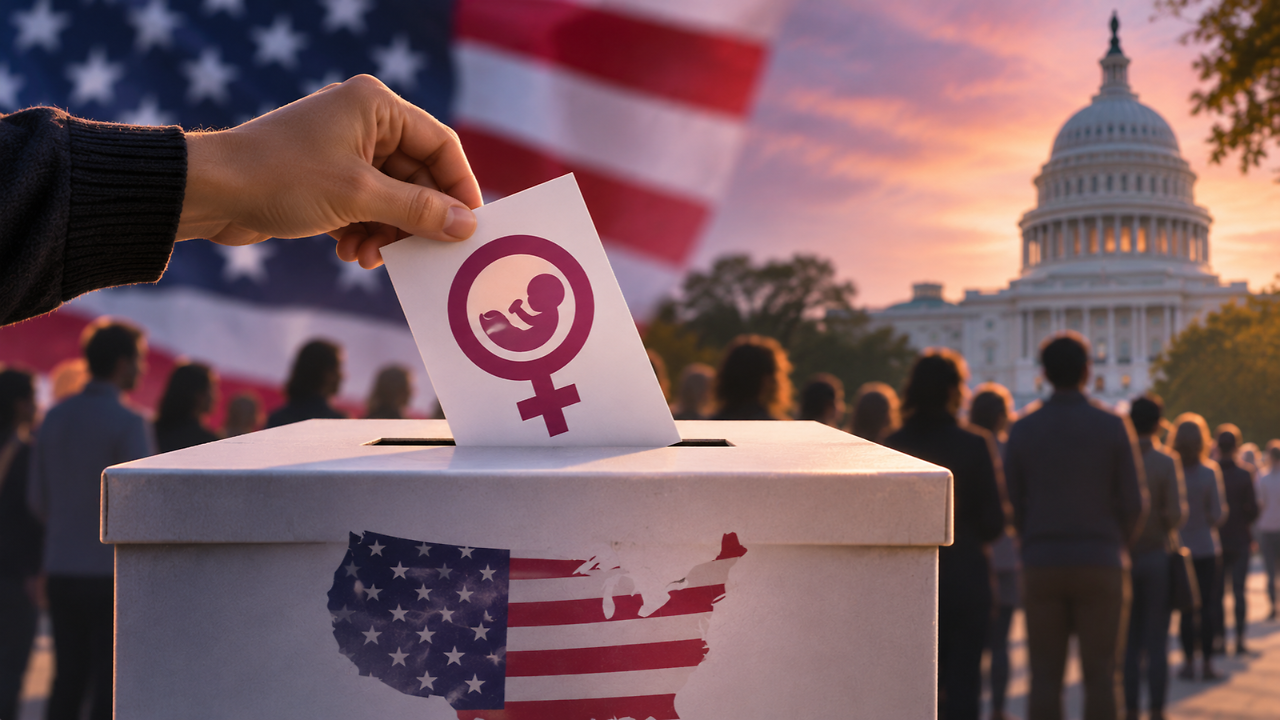
One of the central healthcare issues surrounding the November 3 US midterm elections were abortion rights. Voters in Virginia, Nevada and Missouri supported measures that protect access to abortion, while voters in Idaho voters rejected a proposal that could have formed new policies for reproductive healthcare freedom.The results show how differently abortion access is being shaped across states after the US Supreme Court decided to overturn the constitutional right in 2022.When Abortion Became A State-Level Issue In The US?In 1973, the US Supreme Court recognised a constitutional right to abortion access in its landmark Roe v. Wade ruling. This meant states could not ban abortion before fetal viability, which is the point at which a foetus can survive outside the uterus.That changed in June 2022, when the Supreme Court overturned Roe v. Wade through its ruling in Dobbs v. Jackson Women’s Health Organization. The decision removed the federal constitutional protection and granted significant authority to regulate abortion rights to individual states.Since then, US states have adopted different laws to control abortion rights. Some have introduced near-total bans, while others have added constitutional protections for abortion and enabled reproductive healthcare.Also read: 2026 US Election Results: What Annie Andrews And Amy Acton’s Wins Could Mean For Healthcare In AmericaVirginia Voters Approve Constitutional Protection For AbortionVirginia voters approved Question 1, a constitutional amendment protecting reproductive freedom, which includes access to abortion, contraception, prenatal care, childbirth, postpartum care, miscarriage management and fertility treatment.The amendment also protects patients and healthcare professionals from punishment for their decisions related to reproductive healthcare. It allows the state to regulate abortion during the third trimester, while granting exceptions when the pregnant person's health is at risk.This has cemented Virginia's position as a pro-choice state, protecting reproductive healthcare access, particularly in the South, where several other states have imposed strict abortion regulations. The amendment is expected to take effect on January 1, 2027.Also read: US Midterms 2026: 125 Doctors, Nurses And Health Experts Join Election Battle Nevada Voters Supported Abortion ProtectionNevada voters approved Question 6, a measure that establishes constitutional right to abortion until fetal viability. After that point, abortion would remain permitted when necessary to protect the pregnant person's life or health.The measure had also received voter approval in 2024. Nevada requires constitutional amendments to be approved in two successive elections before they can become part of the state constitution. The latest vote therefore clears the second hurdle.Abortion was already legal in Nevada up to 24 weeks under a state law approved by voters in 1990. Question 6 provides an additional layer of protection by placing abortion rights in the state constitution, making them harder to change in the future.Also read: US Midterm Elections 2026: Abortion, Medicaid, Measles And Healthcare Issues At StakeMissouri Voters Reject Attempt To Roll Back Abortion ProtectionsMissouri voters rejected Amendment 3, which sought to repeal reproductive freedom protections approved by voters in 2024.The proposed amendment would have significantly restricted abortion access, allowing it in very limited circumstances involving medical emergencies, fetal anomalies, and pregnancies resulting from rape or incest within the first 12 weeks.With approximately 55% voting against the measure, the 2024 constitutional protections remain in place. The result marks a second significant vote on abortion rights in Missouri in two years. In 2024, voters had approved the constitutional amendment that helped overturn the state's near-total abortion ban. Idaho Voters Reject Proposal That Support Reproductive Freedom Idaho voters rejected Proposition 1, which would have established a statutory right to make reproductive healthcare decisions, including abortion until fetal viability.The proposal also covered contraception, fertility treatment, pregnancy-related care, childbirth and miscarriage treatment. It sought to create exceptions to the state's near-total abortion ban.According to reports 55.4% voted against the measure and 44.6% voted in favour after about 85% of votes had been counted. With the proposal defeated, Idaho's existing near-total abortion ban remains in place. The results do not just affect if abortion is legally available in a state, they also shape how patients and doctors navigate pregnancy healthcare. Restrictions can create uncertainty for doctors, especially when a pregnancy threatens a patient's health but does not clearly meet the legal definition of an emergency. This can affect time-sensitive treatment decisions related miscarriage management.