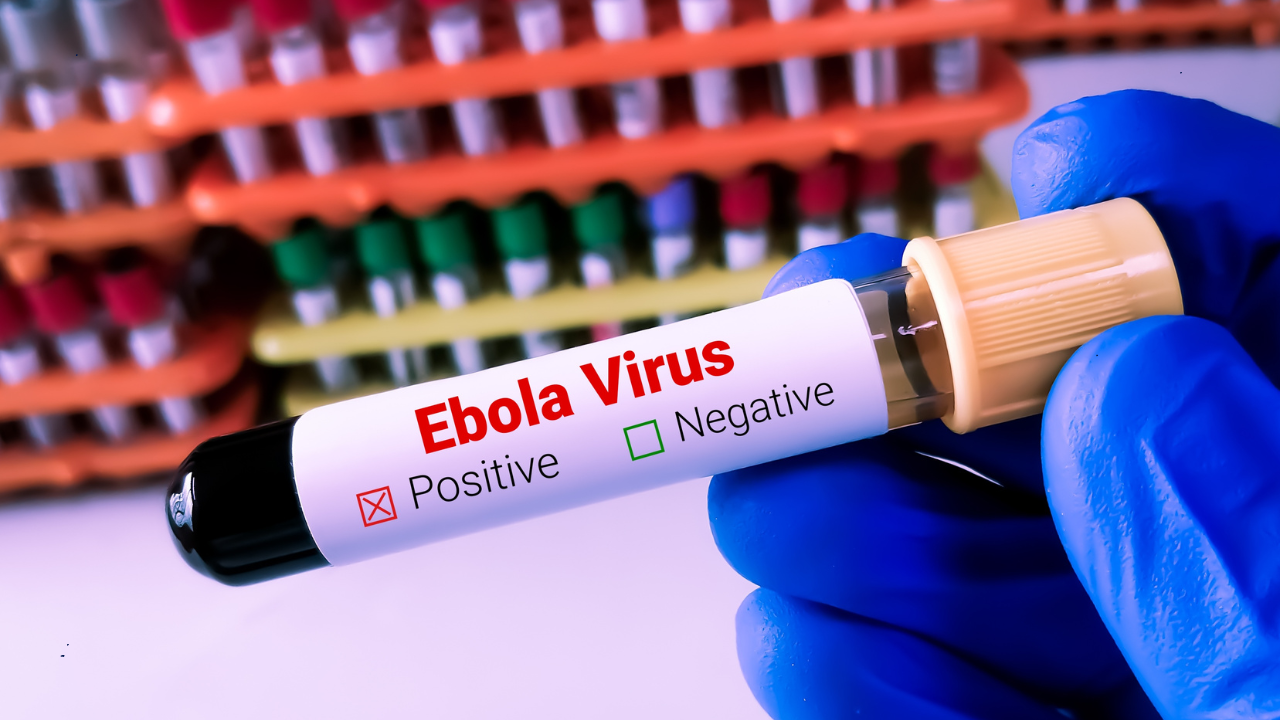
The deadly Ebola virus disease outbreak in the Democratic Republic of Congo (DRC) has spread to a fourth province, raising concerns about wider regional transmission.Until now, the outbreak had been confined to North Kivu, South Kivu, and the conflict-hit Ituri province, the epicentre of the current outbreak. Cases have also been reported across the border in Uganda.The virus has now reached Haut-Uele province, which borders South Sudan and the Central African Republic, according to AFP.WHO Warns Of Regional SpreadAlso read: Serena Williams Calls Anti-Doping Rules 'Unreasonable'; Experts Highlight Impact On Athletes' Mental Health The development also increases the risk of the virus spreading to South Sudan. A new World Health Organization (WHO) modelling study published in The Lancet Infectious Diseases estimates there is a 70 per cent chance the outbreak will reach South Sudan soon.Haut-Uele province is home to around 15 million people. Health officials said the first case in Haut-Uele was detected after an infected person travelled from Bunia, the capital of Ituri. The patient later died, according to sources at the National Institute of Biomedical Research (INRB).Cases Climb To 1,274, With 360 DeathsConfirmed Ebola cases have risen to 1,274, including 360 deaths, according to the WHO.The DRC declared its 17th Ebola outbreak on May 15. The current outbreak is caused by the Bundibugyo strain of the virus, for which there is currently no approved vaccine or specific treatment.Clinical trials are expected to begin in the coming days, according to the WHO, which has issued an international alert over the outbreak.The WHO projections estimate the outbreak could reach about 8,210 cases and 1,420 deaths by mid-September if transmission continues.Drug Trials Set To BeginRead More: Popular Biscuit Brand Under FSSAI Scrutiny For Misleading ‘100% Atta’ & ‘No Added Sugar’ ClaimsThe first clinical trial of drugs that may treat the Bundibugyo virus is expected to begin in the DRC next week. A separate trial testing an antiviral drug to prevent infection among close contacts is scheduled to start a week later.Scientists say efforts to develop vaccines and treatments are being hampered by the lack of a viable sample of the Bundibugyo virus.DRC Restricts Public GatheringsSeparately, Reuters reported on June 29 that the DRC has banned public gatherings in four provinces, including the capital, Kinshasa, as authorities attempt to contain the outbreak.The ban comes ahead of a planned protest in Kinshasa on July 8 against proposed constitutional reforms. Opposition leaders have described the restriction as "politically motivated."US CDC Raises Response To Highest LevelMeanwhile, the US Centers for Disease Control and Prevention (CDC) has raised its emergency response to the outbreak to Level 1, its highest activation level. The designation, reserved for the most severe public health emergencies, allows the agency to deploy its maximum response capacity.Despite the escalation, the CDC said the risk of Ebola spreading to the United States remains low.