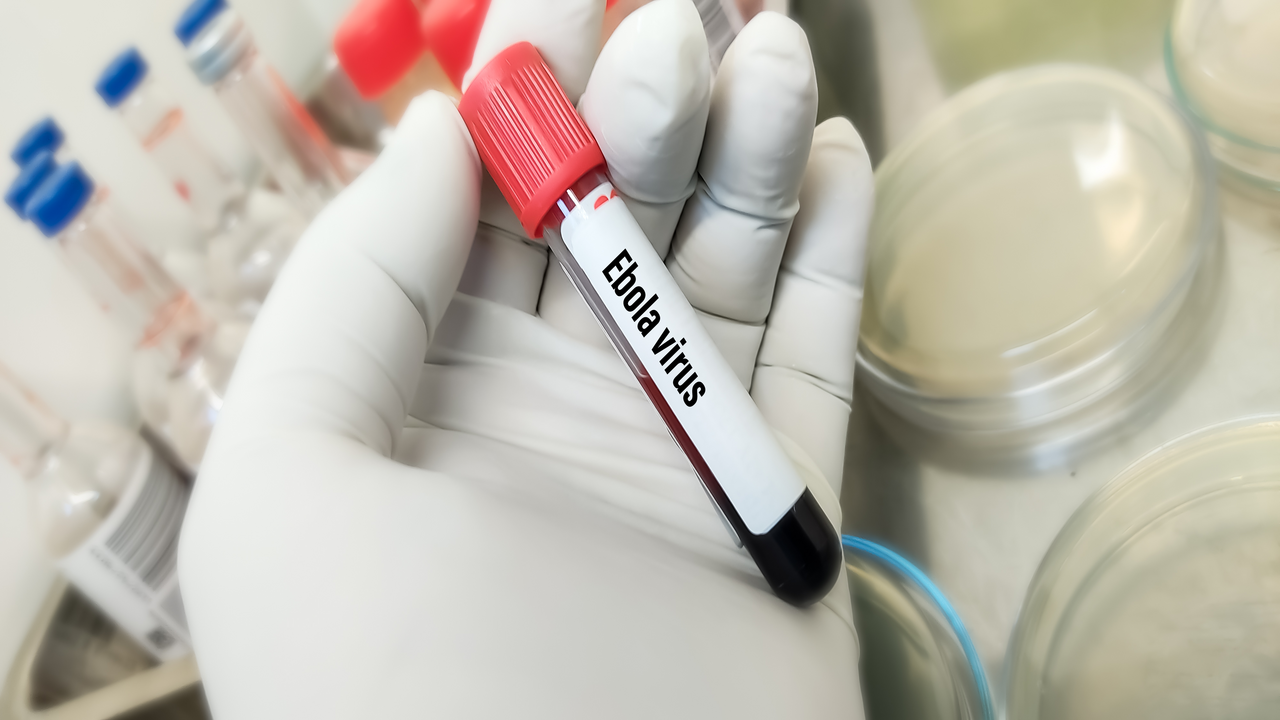
The suspected case of Ebola infection in a young woman in Bengaluru who had returned from Ebola-affected Uganda has tested negative, India's Ministry of Health & Family Welfare has confirmed. The woman who arrived in Bengaluru from Kampala, Uganda, on May 23, was suspected of infection after developing mild symptoms, including body aches. She was shifted from a hotel to the state-run Epidemic Diseases Hospital on May 26, and her samples were sent to the National Institute of Virology in Pune."The test result has returned negative for Ebola Virus Disease," the Ministry said, adding that there is "no confirmed case of Ebola in India".The Ministry said that although the woman remained healthy apart from a mild body ache, she was isolated and tested as part of the precaution measures instated in the country against the Ebola outbreak, which has so far affected over 900 people and led to more than 200 deaths in the Democratic Republic of Congo and Uganda. As per African health officials, 10 nations on the continent are at high risk.WHO Says Ebola Spreading RapidlyAlso read: Russia's New Ebola Vaccine To Protect Against Rare Bundibugyo Strain, Says Health MinisterDr. Rajeev Jayadevan, Co-Chairman of the National IMA COVID Task Force and Past President of the Indian Medical Association, Cochin, told HealthandMe, that the spread of the outbreak to other countries may not be surprising.“With air travel being common and the outbreak already having spread to multiple countries in Africa, it is entirely possible for someone who had contact with a person with Ebola virus disease to get on a flight to another country,” Dr. Rajeev said.“All patients with Ebola disease may not know they have it — as the initial symptoms are nonspecific, such as fever and body ache. In addition, scarcity of the exact PCR test to diagnose the latest Bundibugyo Ebola virus in Africa makes it possible to miss it entirely,” he added.World Health Organization (WHO) chief Tedros Adhanom Ghebreyesus earlier stated he was “deeply concerned about the scale and speed of the epidemic”.He added that the ongoing outbreak "is spreading rapidly" and "outpacing us". The global health agency has also determined that the deadly outbreak is a “Public Health Emergency of International Concern (PHEIC)”.India Boosts SurveillanceRead More: Why Ebola Outbreaks Keep Returning In Africa? | ExplainedIn view of the outbreak, the Ministry of Health, in coordination with the concerned State authorities, is maintaining close surveillance, and all necessary public health protocols are being followed in accordance with WHO guidelines.The government said it "remains vigilant and prepared, with screening and surveillance measures continuing at all designated Points of Entry and across the public health system". Citizens are advised not to panic, avoid spreading misinformation, and rely only on official sources for information.The government also issued guidelines for passengers arriving from Ebola-affected countries. As part of the precautionary measures, travelers entering the country from such nations are required to undergo a 21-day quarantine period.How Ebola Spreads Ebola disease is a severe viral hemorrhagic fever with a high mortality rate.Ebola spreads through:• Direct contact with infected blood or bodily fluids• Contact with contaminated surfaces or medical equipment• Unsafe caregiving exposure• Traditional burial practices involving direct contact• Certain zoonotic animal exposures.Symptoms to watch for include:• fever,• weakness,• headache,• muscle pain,• vomiting,• diarrhea,• sore throat,• unexplained bleeding.