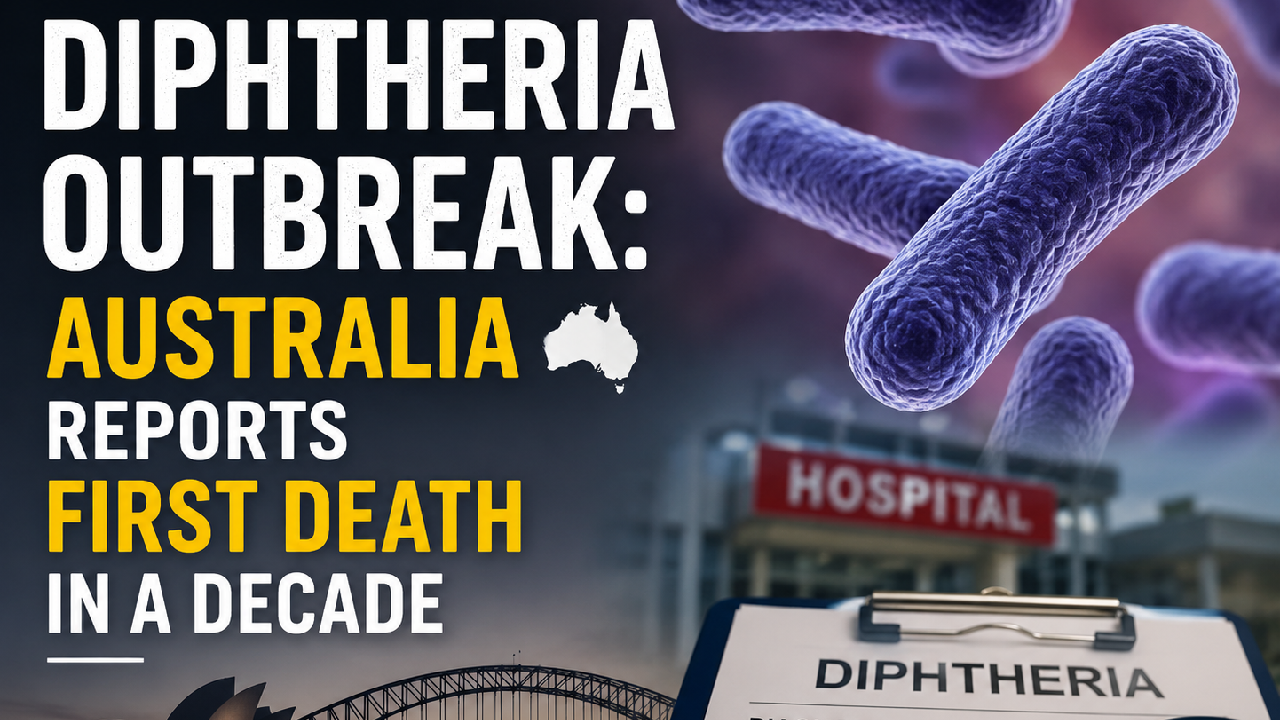
Australia has reported its first death due to diphtheria in almost a decade as the nation grapples with the worst outbreak since national records began in 1991. In March, the Northern Territory declared an outbreak of diphtheria, and some cases were also reported in Western Australia, South Australia, and Queensland.Though the government has already taken steps to prevent further spread of the disease, there is a report of the first death due to the disease. The health minister of the Northern Territory has said that autopsy reports found diphtheria as the cause of a man's death in April at Royal Darwin Hospital, which was the first case since 2018.What Is Diphtheria?According to the World Health Organization (WHO), diphtheria is a disease caused by the Corynebacterium diphtheriae bacterium that affects the upper respiratory tract and, less often, the skin. It also produces a toxin that damages the heart and the nerves. While it is a vaccine-preventable disease, multiple doses are needed to produce and sustain immunity.Diphtheria has remained a leading cause of childhood death globally. But vaccination has long prevented death in children.Those who are not immunized remain at risk. WHO also mentions that diphtheria can be fatal in 30 per cent of cases, with young children at higher risk of dying if they are unvaccinated and are not receiving proper treatment.In 2023, an estimated 84 per cent of children worldwide received the recommended 3 doses of diphtheria-containing vaccine during infancy, leaving 16 per cent with no or incomplete coverage.According to Australia’s Department of Health and Aged Care, between 1926 and 1935, more than 4,000 Australians died from diphtheria.Vaccination started in Australia in the 1930s, and the disease has rarely been seen since the 1950s. But vaccine coverage has waned since the COVID pandemic, leading to a rising number of cases.Diphtheria: Signs And SymptomsWithin 2 to 5 days after exposure to the bacteria. The symptoms includea sore throat,fever,swollen neck glands,weakness.The dead tissue in the respiratory tracts forms a thick, grey coating that can cover tissues in the nose, tonsils, and throat, which makes it difficult to breathe and swallow. Severe cases happen as a result of the diphtheria toxin and its effects.Diphtheria: How the Disease Is TreatedIt is usually treated with diphtheria antitoxin and antibiotics. Antitoxin neutralizes the circulating toxin in the blood. Antibiotics stop bacterial replication and thereby toxin production, speed up getting rid of the bacteria, and prevent transmission to others.How To Prevent DiphtheriaVaccines and routine immunization can prevent diphtheria. It is given with vaccines for diseases such as tetanus, pertussis, Haemophilus influenzae, hepatitis B, and inactivated polio.