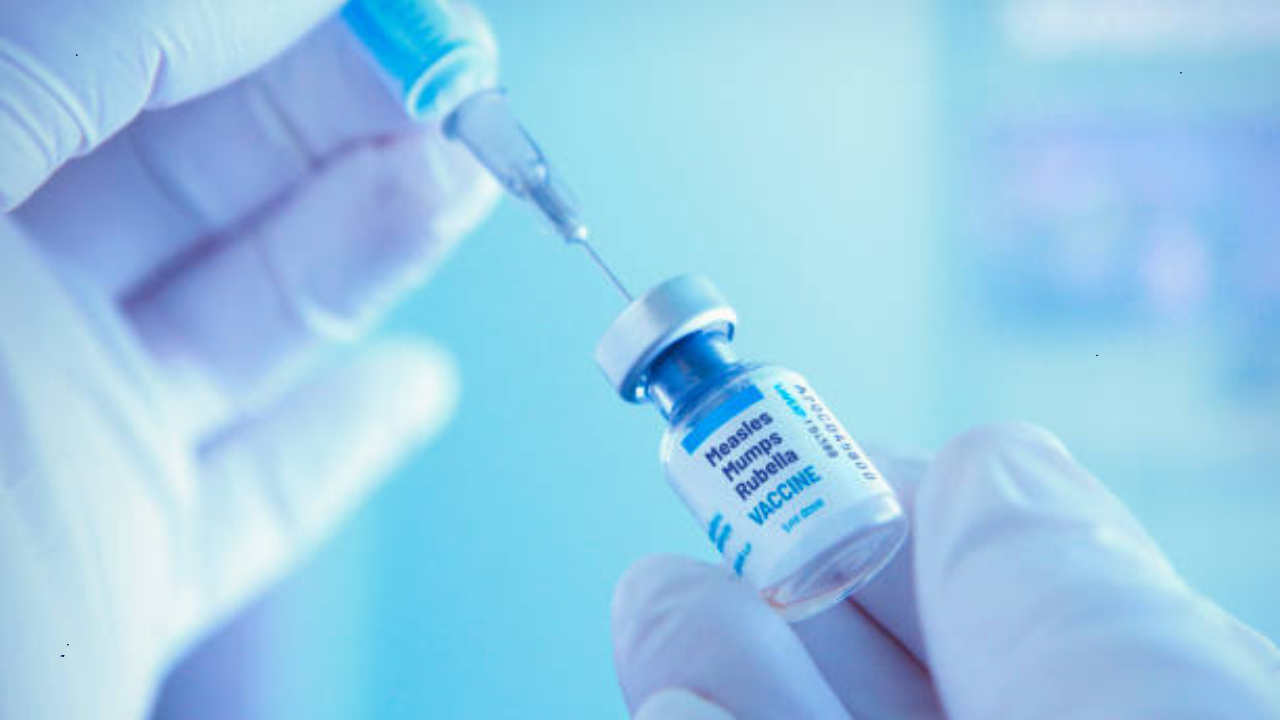
Health officials in England have confirmed that an adult with an underlying immunological condition has died from measles, marking the third measles-related death this year after two children died in June.According to the latest figures from the UK Health Security Agency (UKHSA), England has recorded 883 confirmed measles cases between the start of the year and July 6. More than half of the cases have been reported in London, with most infections occurring in children aged 10 years and under.All regions of England, including London (52 per cent), the West Midlands 17 per cent, and the North West 10 per cent, have now reported measles cases.The UK was declared measles-free in 2017 but lost that status in 2019 after vaccination rates declined and outbreaks resumed. In January, the World Health Organization (WHO) confirmed that the UK was no longer considered to have eliminated measles, citing stagnant vaccination coverage and rising case numbers.NHS Launches Catch-Up Vaccination DriveAlso read: Experts Say US Cyclospora Parasite Outbreak Is Unusual: How To Clean Fresh ProduceIn response to the surge in infections, NHS leaders have launched a nationwide catch-up campaign targeting children aged two to 11 years who have missed one or both doses of the measles, mumps and rubella (MMR) vaccine.The program will contact around one million families whose children are not fully vaccinated.GPs will contact parents of children under six.Families with children aged six to 11 will be contacted through the NHS App, text message, email or letter.Current figures show that 84.1% of five-year-olds in England had received both doses of the MMR vaccine during the first three months of the year—well below the 95% coverage recommended to prevent outbreaks. "We urge all parents to ensure their children are up to date with their MMR or MMRV vaccines, giving them the best and safest protection against measles," said Dr Vanessa Saliba, consultant epidemiologist at UKHSA."Anyone who has missed their measles vaccines can catch up through their GP practice, whatever their age. Getting vaccinated also helps protect babies who are too young to be vaccinated and people who cannot receive the vaccine because of certain health conditions," Dr Saliba added. What Is Measles?Read More: Crusted Scabies Outbreak: UK Reports Rare Highly Contagious Skin DiseaseMeasles (rubeola) is one of the world's most contagious viral infections. It spreads through respiratory droplets released when an infected person coughs or sneezes and can also spread by touching contaminated surfaces before touching the eyes, nose, or mouth.Symptoms usually develop 7 to 14 days after exposure and include:High feverCoughRunny noseRed, watery eyesSmall white spots inside the mouth (Koplik spots)A red rash that typically starts on the face before spreading across the bodyWhile many people recover fully, measles can cause serious complications, including pneumonia, encephalitis (brain inflammation), hearing loss, and, in rare cases, death.All About the MMRV Vaccine The MMRV is a safe, live-attenuated immunizations that protect against severe viral infections. The shot combines Measles, Mumps, and Rubella, and also adds protection against Varicella (chickenpox). According to the UKHSA, children receive:First dose: At 12 months, alongside MenB and pneumococcal (PCV) vaccines.Second dose: At 18 months, alongside the fourth 6-in-1 vaccine.Children who miss these doses can receive a catch-up vaccination at their 3-year and 4-month appointment. The MMRV vaccine contains weakened forms of the measles, mumps, rubella, and chickenpox viruses, which stimulate immunity without causing disease.Two MMRV vaccines are available:ProQuad (contains porcine gelatine)Priorix Tetra (does not contain porcine gelatine).