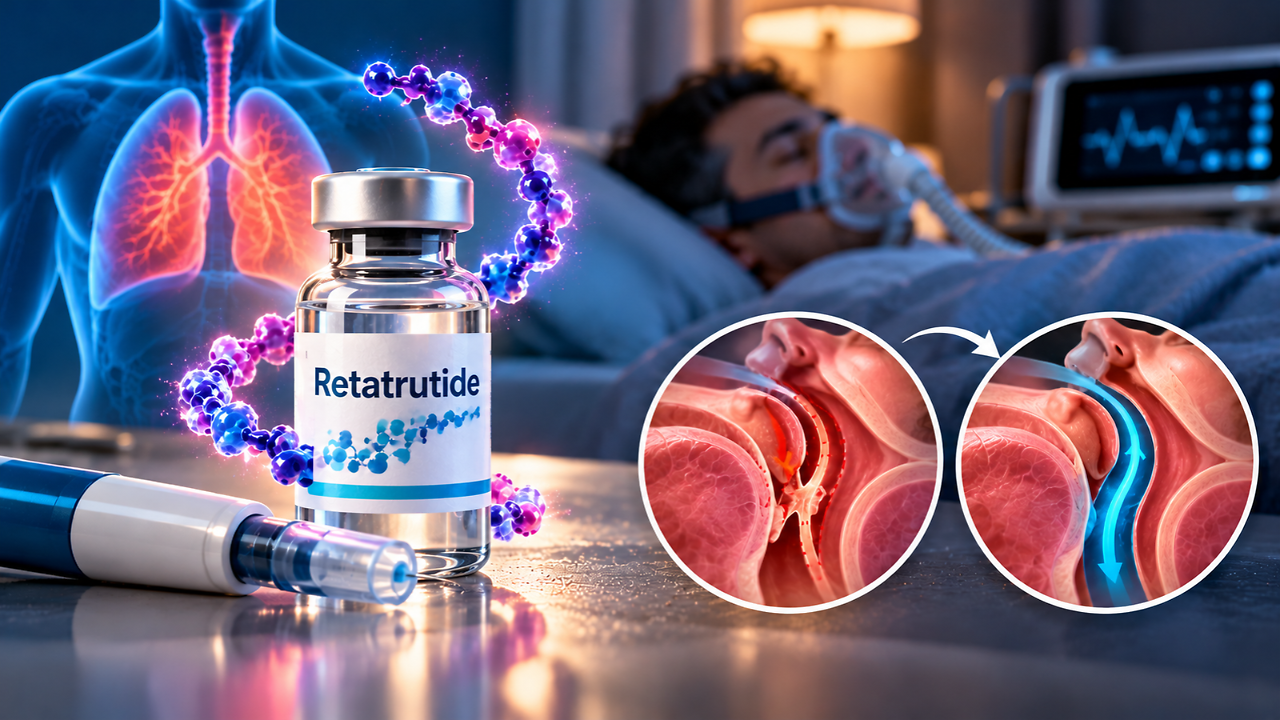
The hype around Eli Lilly’s experimental weight-loss drug retatrutide is already at peak. It may be fueled further after its Phase 3 clinical trials reported that some people with obesity and obstructive sleep apnea breathe were able to breathe more easily during sleep. Furthermore, the condition seemed to be completely resolved in at least 1 in 4 patients with type 2 diabetes. Published in The New England Journal of Medicine recently, the trials found that retatrutide significantly lowered breathing interruptions during sleep compared to a placebo. The effects were seen in adults with moderate-to-severe obstructive sleep apnea, both with and without type 2 diabetes.According to study co-author Dr. Virend Somers, a cardiologist and professor of medicine at the Mayo Clinic, sleep apnea was completely resolved in around 15% of participants with type 2 diabetes and 25% of those without diabetes.Findings From Retatrutide Phase 3 Clinical Trials The two Phase 3 trials were done on 691 adults with moderate-to-severe obstructive sleep apnoea and a body mass index of at least 27. Of these, 448 had type 2 diabetes and 243 did not.The participants received once-weekly injections of retatrutide at doses of 4, 9 or 12 milligrams, or a placebo. Researchers followed them for 80 weeks.The main finding was the change in the apnoea-hypopnea index (AHI), which measures the average number of times a person experiences pauses in breathing or episodes of shallow breathing per hour of sleep.Retatrutide reduced AHI more than placebo in both trials. Participants also lost approximately 12%-22% of their body weight, depending on the dose and study group. The findings indicate that the drug could help reduce the severity of sleep apnea. However, it was only observed in a subset of participants. So, it must not be interpreted that weight loss along resulted in reversal of sleep apnea.Also read: Retatrutide Driving Peptide-Linked Emergency Hospital Admissions In Australia: What Are The Risks? Could Weight-Loss Drugs Improve Sleep Apnea?Obstructive sleep apnea occurs when the upper airway repeatedly narrows or becomes blocked during sleep, interrupting normal breathing. Obesity can increase the risk because excess tissue around the neck and upper airway can contribute to airway obstruction.Retatrutide targets three hormone receptors involved in metabolism - GLP-1, GIP and glucagon. By regulating appetite, blood sugar regulation and energy metabolism, the drug can result in substantial weight loss.The researchers believe that reductions in body weight may help reduce airway obstruction. Participants also experienced improvements in several cardiovascular risk factors, including systolic blood pressure, LDL cholesterol and systemic inflammation.Somers told Fox News Digital, “OSA is often under-diagnosed and under-treated.” He said he was surprised by the magnitude of the benefit among participants with type 2 diabetes, as well as the reduction in sleep apnoea severity.Also read: Burning Skin, Panic Attack & Depression: ‘Godzilla’ Weight Loss Drug Retatrutide Linked To 129 SymptomsCan Retatrutide Replace CPAP?Continuous positive airway pressure (CPAP), which delivers pressurised air through a mask to keep the airway open during sleep, is the primary treatment for obstructive sleep apnoea.The trials included participants who used CPAP and those who did not. Researchers observed that CPAP use generally declined during the study, but this does not mean patients should stop using the device without doctor’s advice.Other treatments include mandibular advancement devices, which help keep the airway open, and positional therapy for people whose symptoms worsen when sleeping on their backs. Sleep Apnea Is Linked With Serious DisordersSleep apnea is a sleep disorder in which breathing repeatedly stops and starts during sleep. The most common type, obstructive sleep apnoea, occurs when throat muscles relax and temporarily block the airway. Symptoms include loud snoring, gasping during sleep, morning headaches and daytime fatigue.Obesity is a major risk factor because excess tissue around the neck can narrow the airway. Untreated sleep apnoea can lead to high blood pressure, cardiovascular disease and difficulties managing blood sugar.