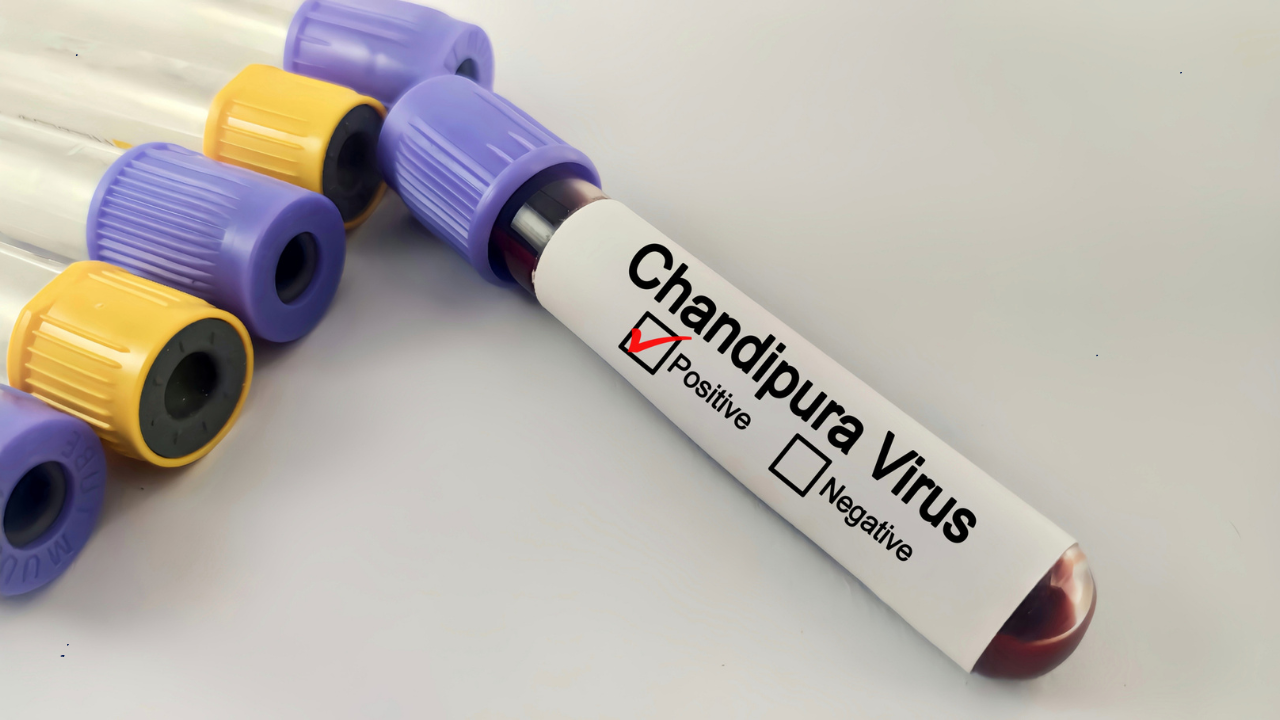
About 35 people have tested positive for Chandipura virus, while 22 have lost their lives due to the insect-borne virus, said Gujarat Health Minister Praful Pansheriya. Speaking to the media, Pansheriya added that seven others are currently undergoing treatment in ICUs with ventilator and oxygen support under the supervision of super-specialist doctors. The state health department has intensified surveillance and testing efforts across affected areas and is working to identify and isolate suspected cases. What Is Chandipura Virus? Chandipura virus (CHPV) is an insect-borne virus belonging to the Rhabdoviridae family and the Vesiculovirus genus. It was first identified in 1965 in Chandipura village in Maharashtra. The virus is transmitted primarily through phlebotomine sandflies, although mosquitoes and ticks may also play a role in transmission. Also read: 6-in-1 Vaccine Could Make India's Childhood Immunization Program More Efficient, Cut Costs: Health Ministry StudyMost cases have been reported from central and western India, particularly during the monsoon and post-monsoon months when sandfly populations increase. While some infections remain mild, the virus can rapidly invade the brain, causing acute encephalitis (brain inflammation), seizures, coma, and even death, especially in children. "In some children, Chandipura virus can cause severe brain inflammation and become life-threatening within a short period," said Dr. Kanchankumar Bhagyawant, Consultant Paediatrician and Neonatologist at Ruby Hall Clinic, Pune. Symptoms Of Chandipura Virus Infection Symptoms usually begin suddenly and may initially resemble other viral illnesses. The expert urged to watch out for: Sudden high fever Severe headache Vomiting Excessive sleepiness or reduced activity Irritability or behavioural changes Convulsions or seizures Loss of consciousness in severe cases. "Parents should never ignore a fever lasting more than three days if it is accompanied by repeated vomiting, seizures, confusion, or excessive sleepiness. Seeking immediate medical care can be lifesaving," Dr. Bhagyawant said. Why Are Children More At Risk? Read More: India Records 20,138 Organ Transplants In 2025; Deceased Donor Transplants Reach 3,526According to Dr. Bhagyawant, children below 15 years, especially those living in rural and semi-rural areas, are the most vulnerable to Chandipura virus infection. Although adults can be infected, severe disease is far less common. Children are at greater risk because of several factors: Immature immune system: Young children have fewer antibodies and are less able to fight new viral infections. Higher exposure: Outdoor play increases contact with sandflies, particularly during the monsoon. Limited prior immunity: Most children have not been previously exposed to the virus. Rapid disease progression: The virus can multiply quickly, overwhelming a child's immune system. Developing brain: Children's brains are more vulnerable to encephalitis and neurological damage. Delayed diagnosis: Early symptoms resemble common viral infections, delaying treatment. Limited healthcare access: Rural areas may have fewer diagnostic and treatment facilities. Poor vector control: Inadequate measures to control sandflies increase the risk of transmission.How Can Chandipura Virus Infection Be Prevented? There is currently no specific antiviral treatment or vaccine for Chandipura virus. Prevention focuses on avoiding insect bites and reducing exposure to sandflies. Dr. Bhagyawant recommended: Use mosquito or sandfly nets, especially for children at night. Apply age-appropriate insect repellents. Dress children in full-sleeved clothing and long pants. Keep homes and surroundings clean. Eliminate stagnant water and improve sanitation around homes and animal shelters. Install window screens where possible. Seek immediate medical attention if a child develops a high fever along with vomiting, seizures or altered consciousness.