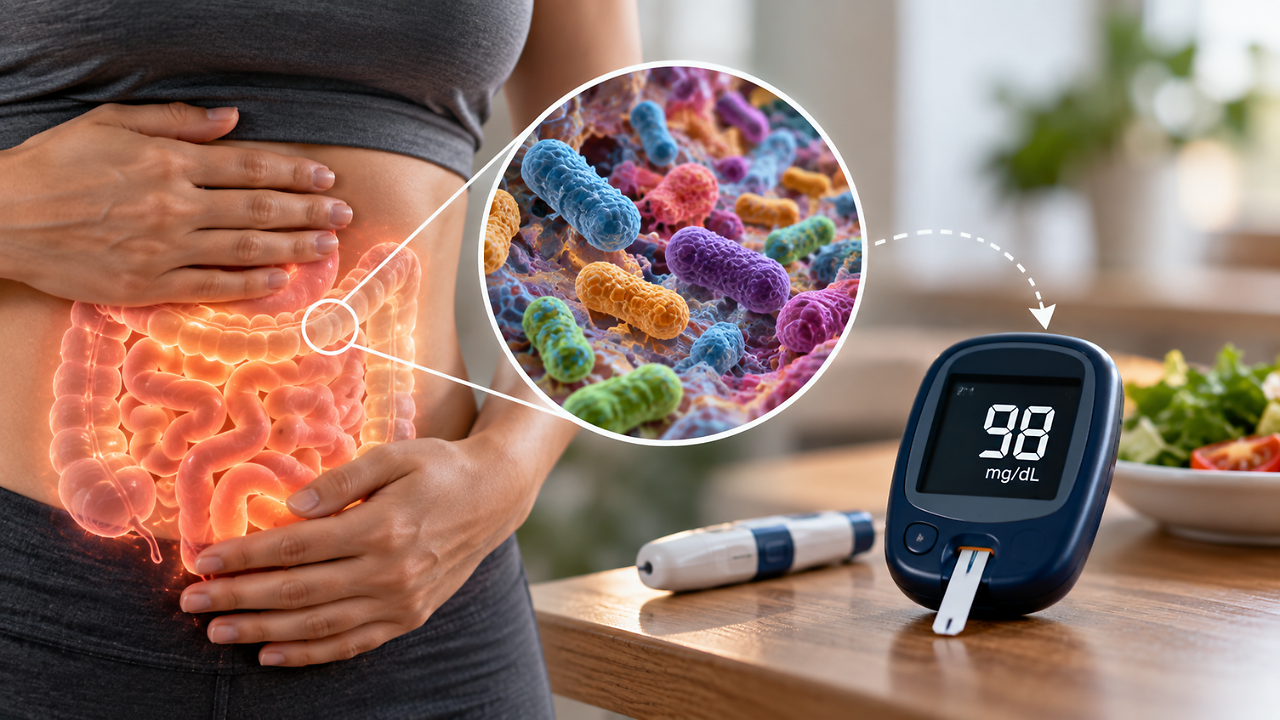
The early signs of type 2 diabetes could be related to your gut. They may signal a warning risk long before you take a blood sugar test. New research suggests that changes in the trillions of bacteria living in the gut may accurately predict future diabetes risk. An analysis of microbiome data from more than 229,000 adults in the UK and US identified hundreds of bacterial changes linked with type 2 diabetes, including changes that appeared before measurable abnormalities in blood glucose. The findings are being presented at the annual meeting of the European Association for the Study of Diabetes (EASD) in Milan. What Did Researchers Find? Researchers from the University of Trento in Italy and collaborators in the UK analysed metagenomic data, which involves examining the DNA of microorganisms living in the gut. The study included 229,025 people, of whom 3,627 had type 2 diabetes, 14,022 had prediabetes and 211,376 had normal blood glucose levels. The average age was 50, and about 74% of participants were women. After accounting for factors including age, sex and body mass index, researchers identified 789 bacterial species associated with type 2 diabetes. Of these, 168 were found at higher levels in people with diabetes, while 621 were present at lower levels. One example was Enterocloster bolteae, which was more abundant in people with type 2 diabetes. In contrast, Romboutsia timonensis was found at lower levels. Interestingly, 587 of the 789 bacterial species were also associated with unmedicated prediabetes, suggesting that some of these microbial changes may occur before diabetes is diagnosed.Also read: Diabetes Linked To 55% Risk Of Kidney Disease, Heart Failure Or Death Within 10 Years: StudyLink Between Gut & Blood SugarThe researchers looked at 135,093 people who had normal blood glucose and did not have diabetes or prediabetes. They also had information about how their blood sugar responded after eating. Normally, blood glucose rises after a meal and then falls. If it remains elevated for longer than expected, it can indicate that the body's muscles are not responding properly to insulin, an early feature of insulin resistance. Researchers found that people whose blood sugar remained elevated for longer were more likely to have the gut bacterial pattern linked with type 2 diabetes. The microbiome changes became more pronounced as insulin resistance increased. Therefore, it was observed that the gut microbiome carried clues about metabolic problems even when standard blood glucose levels were still normal.Also read: Muscle Loss In Middle Age May Signal Dementia Risk, Study Finds Future Of Diabetes Testing Currently, diabetes and prediabetes are diagnosed using tests like HbA1c, fasting blood glucose and oral glucose tolerance tests. For people who have normal results, doctors generally assess future diabetes risk using factors like age, sex, body mass index and family history. A gut microbiome test is not currently part of routine diabetes screening. The researchers believe microbiome analysis could eventually provide an additional layer of risk assessment, identifying people who could benefit from earlier lifestyle interventions. Professor Tim Spector, one of the study's authors, Scientific Co-Founder, ZOE, said, “These latest findings represent a major step forward in understanding how our gut microbiome is linked directly with metabolic disease. Identifying these clear microbial changes before blood sugar levels worsen could lead to earlier intervention with food and lifestyle choices, as well as treatment options, to prevent T2D." The researchers say that microbiome analysis should not replace existing tests for diabetes or prediabetes. The current findings show associations between particular bacterial patterns and diabetes risk. The researchers also found that some of the bacteria making up the diabetes-related signature have never been isolated or cultivated in a laboratory and are new in terms of scientific investigation. Additional research will be needed to assess whether these microbial changes can reliably predict who will develop diabetes and whether changing the microbiome can actually reduce that risk.