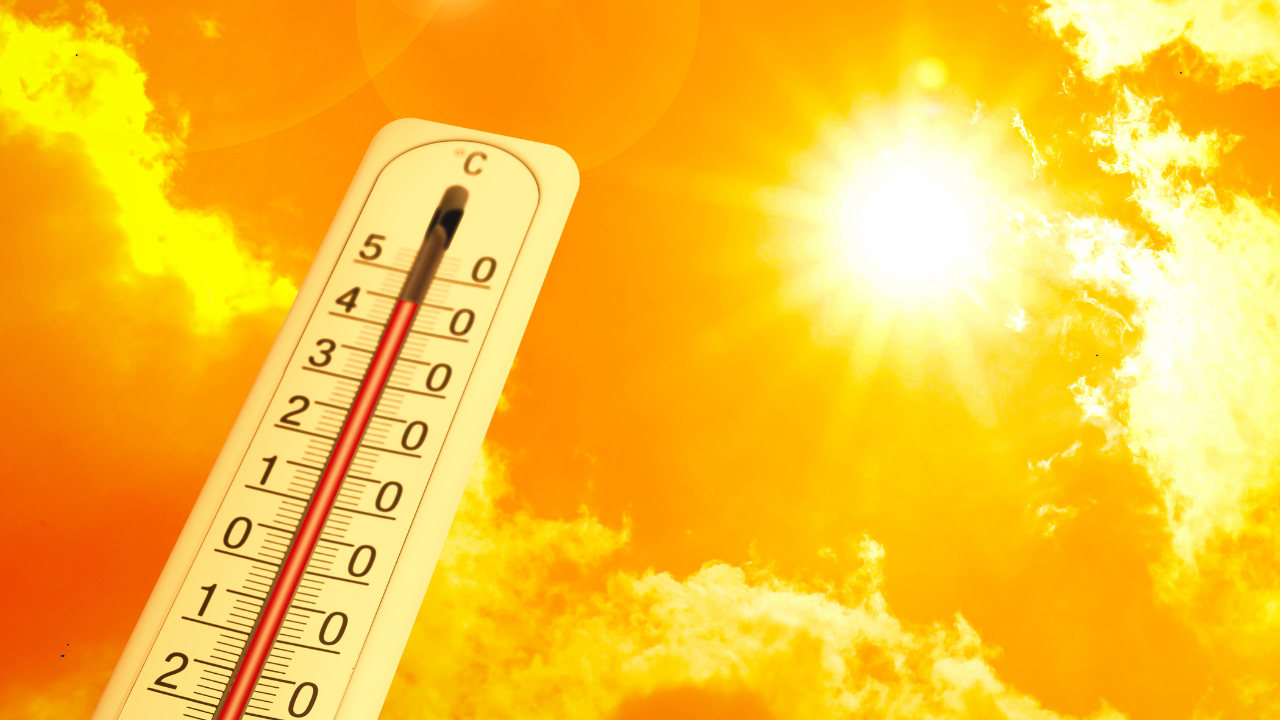
Rising global temperatures are driving heatwave conditions in India, said the Indian government, while releasing an advisory to warn people about the increased health risks. Taking to the social media platform X, the Ministry of Health and Family Welfare urged the public to take precautions during extreme heat. "Heat waves are increasing due to rising global temperatures," said the Ministry in the advisory. It shared safety measures and an informative poster explaining the impact of rising temperatures and steps to manage heat stroke. The poster highlighted that a rise of 1 degree Celsius in global temperatures can lead to longer durations of heatwaves. Further, it stated that insufficient hydration during heatwaves reduces the body's natural ability to cool itself, which can result in heat stroke. The poster also detailed preventive measures to avoid heat stroke. It also advised people to avoid heavy work during mid-noon hours, drink plenty of water, avoid consuming heavily caffeinated or sugary drinks as they may cause dehydration, wear light-colored clothes, and take frequent breaks while working outdoors. Which States Are At Risk? The India Meteorological Department (IMD) has warned of heatwave conditions in several parts of the country. Regions likely to face extreme heatwave conditions until April 20 include Telangana and Rayalaseema, Madhya Maharashtra and Marathwada, North Interior Karnataka, Madhya Pradesh, Chhattisgarh, Vidarbha, Odisha, Jharkhand, and West Rajasthan. In addition, hot and humid weather conditions are expected in coastal regions such as Kerala, Tamil Nadu, Gujarat, and Coastal Andhra Pradesh. Meanwhile, the national capital saw its hottest day of the year on Wednesday, as temperatures climbed sharply, signaling the onset of harsher summer conditions. According to IMD, the maximum temperature at Safdarjung, the city’s base station, touched 39.2 degrees Celsius, about 3 degrees above normal. This surpassed Tuesday’s 38.2 degrees Celsius, marking a noticeable upward trend. While the mercury is expected to inch closer to 42 degrees Celsius by Friday, the weather office has ruled out heatwave conditions for at least the next week. “A gradual rise is expected in maximum temperatures by 2-3 degrees during the next three days and fall by 1-2 degrees thereafter. The maximum temperatures are likely to be above normal to appreciably above normal during the next seven days," Times Of India quoted a Met official as saying.As per the weather department, despite a slight chance of light rain in parts of Haryana and NCR on April 17 and 18, there is no relief expected for Delhi. Forecasts suggest daytime temperatures will hover between 39 degrees Celsius and 41 degrees Celsius on Thursday, rising further to 40-42 degrees Celsius from Friday through Sunday. The IMD has cautioned that such above-normal temperatures could pose moderate health risks, especially for infants, elderly individuals, and those with chronic illnesses.Hydration Is key, Say DoctorsDr. Anil Gomber, Director and Senior Consultant – Internal Medicine & Diabetologist, Yatharth Hospital, told HealthandMe: “It is crucial to take preventive measures to avoid heat-related illnesses". Prolonged exposure to high temperatures can lead to dehydration, heat exhaustion, and heatstroke, which can be fatal if untreated. Heat also places extra strain on the heart and lungs, increasing the risk of heart attacks and respiratory distress. Heatwaves can increase the risk of deaths among the elderly and those with underlying medical conditions. It can also affect healthy and young people. Exposure to intense heat can cause headaches, dizziness, cramps, and fainting, particularly for those working outdoors or engaging in strenuous activity. "Elderly people, kids, and those with chronic conditions like heart disease or diabetes face higher risks, so check on neighbors and family daily," Dr. Meenakshi Jain Principal Director & HOD Internal Medicine, Max Super Speciality Hospital, told HealthandMe. She urged people to "watch for warning signs like dizziness, rapid heartbeat, nausea, or confusion, and move to a cool area immediately if they appear—seek medical help for severe symptoms. Keep homes cooler by closing curtains during the day and opening windows at night".How To Stay SafeTo stay safe from heatwave, individuals must:Stay well-hydrated by drinking plenty of water Avoid caffeineAvoid stepping out during peak afternoon hoursWear light, loose, and breathable clothing, Use protective gear like caps or umbrellas when outdoorsAvoid excessive physical activity in the sun. Never leave children or elderly individuals in parked vehicles. Include fruits and fluids in your diet to maintain electrolyte balance.If you experience dizziness, headache, or fatigue, seek medical attention promptly, as early care can prevent serious complications.