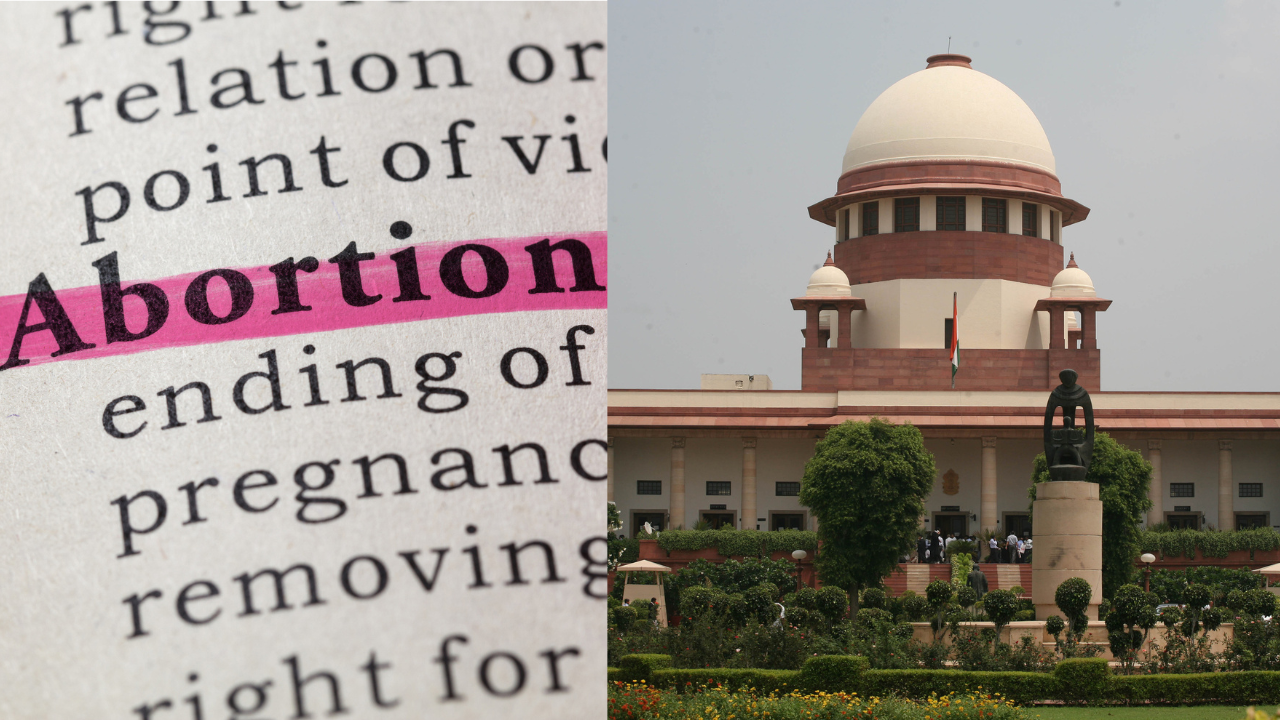
In a significant case, the Supreme Court has allowed the medical termination of pregnancy of a 15-year-old girl who was over seven months pregnant. Stressing that the choice of the pregnant woman must remain paramount, the SC bench led by Justice B V Nagarathna and Ujjal Bhuyan observed that a woman cannot be compelled to continue with an unwanted pregnancy merely on the ground that the child can be given up for adoption after birth. However, AIIMS has sought a review of the order, citing medical ethics and the rights of an unborn child. The institution stated that it would lead to preterm delivery of a deformed baby needing prolonged NICU support. The apex Court also issued a warning to the Union government of contempt proceedings if it failed to comply with its order, making it clear that the procedure must be carried out without delay. What Is The case? The SC directed the termination of a fetus over seven months old of the 15-year-old girl, who was in a consensual relationship with a 17-year-old, admitted at AIIMS Delhi since April 10. In India, medical abortion is allowed up to 20-24 weeks of pregnancy under the Medical Termination of Pregnancy (MTP) Act. However, in this case, the medical termination was allowed, giving primacy to the reproductive autonomy of the minor.The Justices made it clear that “no court ought to compel any woman, and more so a minor child, to carry a pregnancy to full term against her express will.” “If the pregnant woman carrying an unwanted pregnancy is compelled to continue such a pregnancy, then the constitutional rights of the pregnant woman would be breached,” noted the court. Also read: Why Miscarriage Needs Emotional Care At Par with Medical Treatment: Doctors ExplainHowever, Solicitor General Tushar Mehta, appearing before the court, told the bench that the child could be given up for adoption through CARA after being born. He told the bench that, as per medical reports, termination of pregnancy at this stage may be risky for both the mother and the unborn child. But Justice Nagarathna warned that denying relief in such circumstances could expose women, especially minors, to grave risks, including resort to unregulated procedures that may cause irreversible harm. The court also underscored the minor’s psychological distress, including reported attempts to take her own life, observing that forcing continuation of the pregnancy would have “long-lasting repercussions” on her mental health, education, social standing, and overall development, Law Beat reported. Directing that the procedure be carried out at AIIMS Delhi with all necessary medical safeguards, the court required the minor’s guardian to submit an undertaking consenting to the termination. Why Is AIIMS Asking For A Review Of The SC Order? AIIMS said the “unborn viable child” cannot speak for itself and depends on the court’s parens patriae jurisdiction to protect its right to life, The Times of India reported. AIIMS, in its plea, said, “The court’s order proceeds on the premise of termination of pregnancy; however, the medical reality, as disclosed by the post-order assessment, is that a living, viable child will be prematurely delivered into the world.” AIIMS also cited a fresh medical board opinion, saying the fetus is viable and preterm delivery could cause long-term disabilities and pose a grave risk to the minor mother. It said if the baby is carried to term, the state could care for it till adoption. Referring to a similar case, AIIMS said a prematurely delivered baby continues to need NICU support, suffered repeated sepsis, and remains dependent on tracheostomy care.