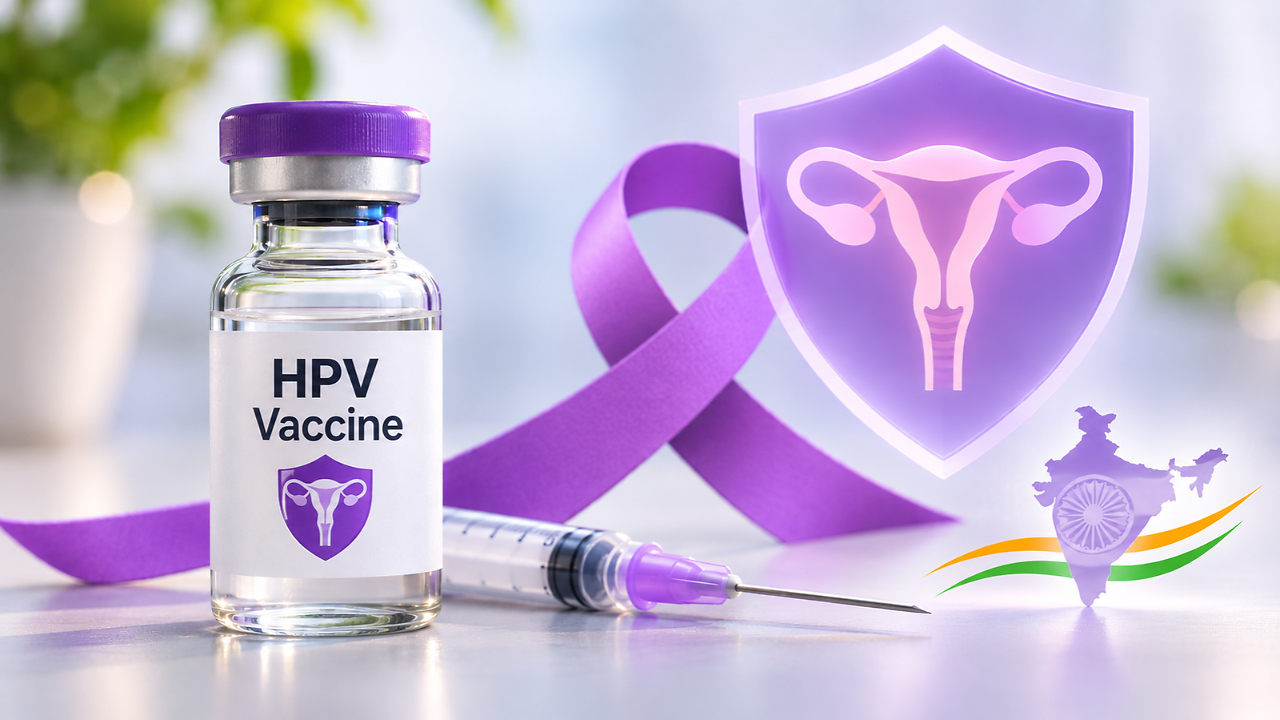
India has administered more than 1 crore doses of the human papillomavirus (HPV) vaccine in less than nine months since it launched its nationwide vaccination campaign. This means the country has covered nearly 87% of its annual target cohort of 14-year-old girls. The milestone marks a major step towards preventing cervical cancer, which is largely caused by repeated HPV infections.India Hits Its HPV Vaccination TargetAlso read: World Cervical Cancer Elimination Day 2026: WHO Calls For HPV Vaccination, Screening & Early TreatmentAccording to the Ministry of Health and Family Welfare, the campaign has reached nearly 87% of its estimated annual target of 1.2 crore girls, based on 2021 population estimates from the Registrar General of India. The vaccination drive was started in February 2026 and provides free, voluntary single-dose HPV vaccination to eligible 14-year-old girls at designated government health facilities.Six states, Gujarat, Uttar Pradesh, Andhra Pradesh, Mizoram, Madhya Pradesh and Bihar, have reported 100% coverage of their target populations.Among other states, Assam has recorded 95.63% coverage, followed by Telangana at 95.28%, Karnataka at 93.16% and Uttarakhand at 90.17%. Chhattisgarh and Rajasthan have crossed 80% coverage, while Kerala, Tamil Nadu and Odisha have achieved more than 70%.In terms of the number of girls vaccinated, Uttar Pradesh leads with more than 29.33 lakh, followed by Bihar with 13.70 lakh and Gujarat with 7.75 lakh.How Does HPV Vaccine Prevent Cervical Cancer?Also read: Menstrual Blood-Based Self-Sampling Cervical Cancer Test Gets Patent-Know Everything About ItAlmost all cervical cancer cases are caused by repeated infection with high-risk types of human papillomavirus, a common virus transmitted through sexual contact.Most HPV infections clear naturally without causing health problems. The progression from HPV infection to cervical cancer generally takes 15–20 years, but it can happen faster in women with weakened immune systems.HPV vaccination helps prevent infections caused by HPV types that cause cancer before exposure to the virus. Vaccinating girls at age 14 aims to provide protection before they are likely to encounter HPV. The vaccine is a preventive intervention. It does not treat an existing HPV infection or cervical cancer.India Is Expanding HPV Vaccination CoverageAlso read: About 7.9% Of Women In Kerala Are Affected By Cervical Cancer; Why Early Detection Is ImportantThe government says the campaign's progress has been supported by coordination between the Centre, state governments, district administrations, healthcare professionals and frontline workers, including ASHAs and ANMs.The U-WIN digital platform is being used for beneficiary tracking, monitoring vaccination coverage, maintaining digital records and identifying eligible girls yet to receive the vaccine. Parents can also use the platform to book vaccination slots and obtain digital certificates.Vaccination sessions are conducted at designated government health facilities under the supervision of trained medical officers. Arrangements have also been made for identifying and managing adverse events after vaccination. Cervical Cancer PreventionCervical cancer remains a major public health concern in India, despite being largely preventable through HPV vaccination.The World Health Organization's cervical cancer elimination strategy aims for 90% of girls to be fully vaccinated against HPV by age 15, 70% of women to undergo screening by ages 35 and 45, and 90% of women diagnosed with cervical disease to receive appropriate treatment.Cervical cancer prevention entails HPV vaccination, regular screening and timely treatment of precancerous changes.