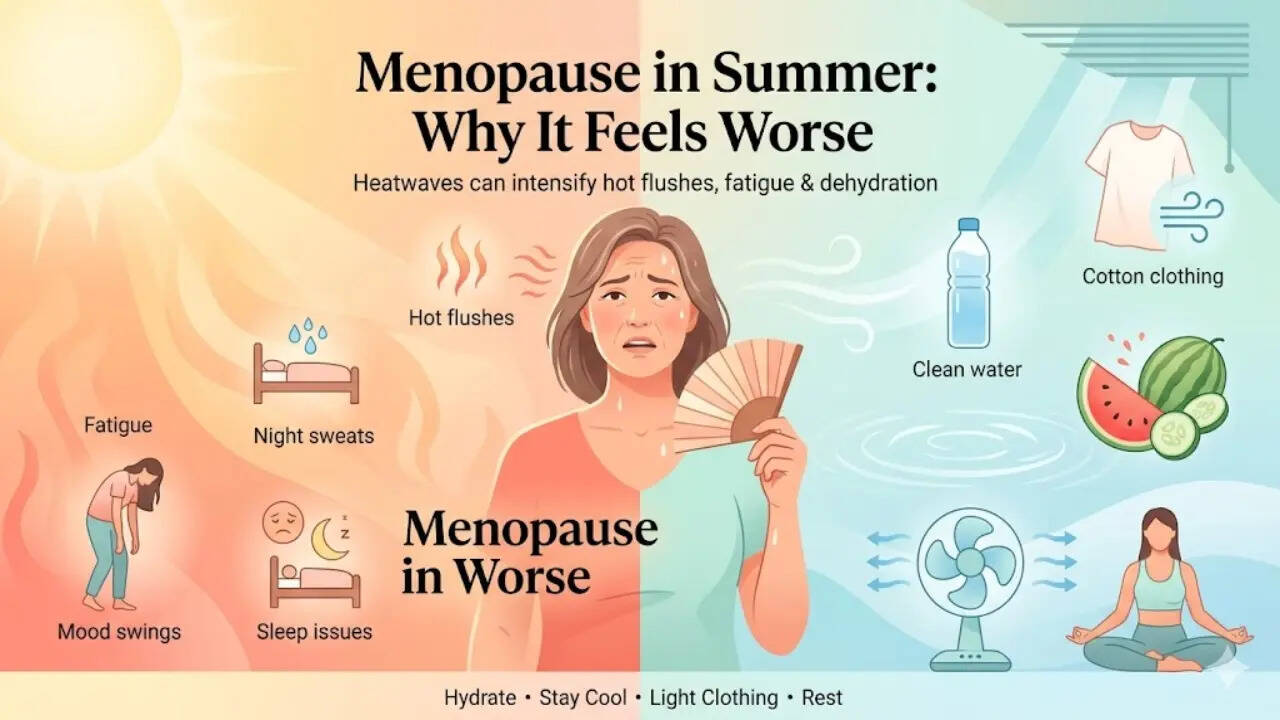
India is currently struggling with severe heatwave conditions and temperatures in parts of the country have already surpassed 40 degrees Celsius—and most recently, it was found that 95 of the world's hottest cities are in India. This makes India the hottest country in the world. While this raises concerns over global warming, there is another concern that often goes overlooked. For women in menopause, the struggle is way worse. When the internal hot flashes meet the external heatwave, it becomes a deadly combination. Why Is Menopause Overwhelming During Summer? Menopause during the summer months can feel particularly overwhelming. The body is already adjusting to hormonal changes while also coping with rising temperatures. Many women experience intensified hot flushes, night sweats, fatigue, mood swings, and sleep disturbances. The heat outside often amplifies the internal heat they feel, making even simple daily activities uncomfortable. Dehydration becomes a real concern, and the constant cycle of sweating and exhaustion can leave women feeling drained both physically and emotionally. It’s not just about discomfort; it can affect confidence, productivity, and overall well-being.Dr Meghana Reddy Jetty, Senior Consultant in Obstetrics, Gynaecology, Laparoscopy, and Aesthetic Gynaecology at Aster Whitefield, spoke about the more difficult side of menopause that can be triggered during a heatwave.“Menopause alone feels as if the body's thermostat is slightly malfunctioning, but summer frequently increases this feeling in ways many women aren't prepared for. From the point of view of a gynaecologist, what we most often observe is a worsening of vasomotor symptoms like hot flushes and night sweats. The outer heat not only adds to the inner hormonal changes but also results in women feeling hot all the time, tired, and sometimes even irritable or unable to get enough sleep. Dehydration or lack of adequate fluid intake emerges as a hidden problem because reduced oestrogen levels make temperature regulation less efficient. In addition, there is also a significant impact on skin and vaginal health, which is often overlooked,” said Dr Jetty.The heat of summer leads to more severe dryness, higher chances of infections, and increased urinary discomfort. Many women complain about feeling more worn out than usual, not just physically, but because their bodies are under stress due to this constant balancing act.How to Deal with Heatwave-Related Hot Flushes in Menopause?Dr Jetty also said that small adjustments can make a difference. There can never be enough emphasis on the importance of drinking water. The key factor is ensuring that water consumption maintains a proper electrolyte balance. Using breathable fabrics and air conditioning can help reduce hot flushes. Additionally, it is important to pay attention to diet during summer. Lifestyle changes, such as limiting caffeine, spicy food, and alcohol intake, can also be beneficial.Dr Shailly Sharma, Senior Consultant in Gynaecology and Associate Director at Cloudnine Hospital, Faridabad, said, "There are practical and effective ways to make this phase more manageable and even empowering. Staying well-hydrated is essential, as it helps regulate body temperature and reduces the intensity of hot flushes. Wearing light, breathable fabrics like cotton and choosing loose-fitting clothes can make a noticeable difference in comfort levels. Incorporating cooling foods such as fruits, vegetables, and yoghurt into the diet can naturally help the body stay balanced. Regular, gentle exercise like walking, yoga, or swimming can improve mood, reduce stress, and support better sleep patterns. It’s also helpful to create a cool sleeping environment using fans, light bedding, or even a cool shower before bed, which can ease night sweats."Why Are Summer Hot Flushes Worse?Dr Prathima A, Consultant in Obstetrics, Gynaecology, and Urogynaecology at Motherhood Hospitals, Banashankari, Bangalore, said, "Hot flushes and night sweats tend to worsen during the summer season due to the body's reduced ability to regulate temperature because of lower oestrogen levels. This results in feelings of tiredness, poor sleep quality, and irritability. Another symptom that may worsen is bladder-related issues. Many women experience increased urinary urgency, frequency, or even leakage. Dehydration is another concern during heatwaves, as it can irritate the bladder and worsen these symptoms."The expert added that vaginal dryness and irritation can also become more pronounced, leading to pain, itching, or even urinary tract infections (UTIs). Sweat and heat may further increase the risk of local infections.How Can Women Cope With Menopausal Stress During Summer?It is vital to pay attention to sleep and stress regulation, as they can greatly influence symptoms. In some cases, hormone replacement therapy and other treatment approaches may be required, though these need to be tailored individually. Overall, going through menopause in summer can be particularly challenging due to the various factors affecting health. While hot weather is a defining feature of the season, managing menopause-related symptoms becomes easier with the right approach."Hydration is key. To cope with these problems, women need to drink plenty of water, preferably in small, regular amounts. Additionally, women are advised to wear cotton clothing and avoid products containing caffeine, as they can irritate the bladder. The most effective way to manage hot flushes is to stay cool. Lifestyle measures such as staying in cool environments, using fans, and avoiding triggers like spicy food can make a significant difference," Dr Prathima explained.Furthermore, consulting a gynaecologist may be beneficial, as they can prescribe soy isoflavones or hormone replacement therapy for those who are suitable candidates, helping to minimise symptoms. From a medical perspective, the use of vaginal moisturisers or local oestrogen therapy may also significantly relieve symptoms.Most importantly, women should not ignore these issues. While such symptoms are common, they are manageable. Taking timely action can greatly improve quality of life, even during the hottest days of summer.