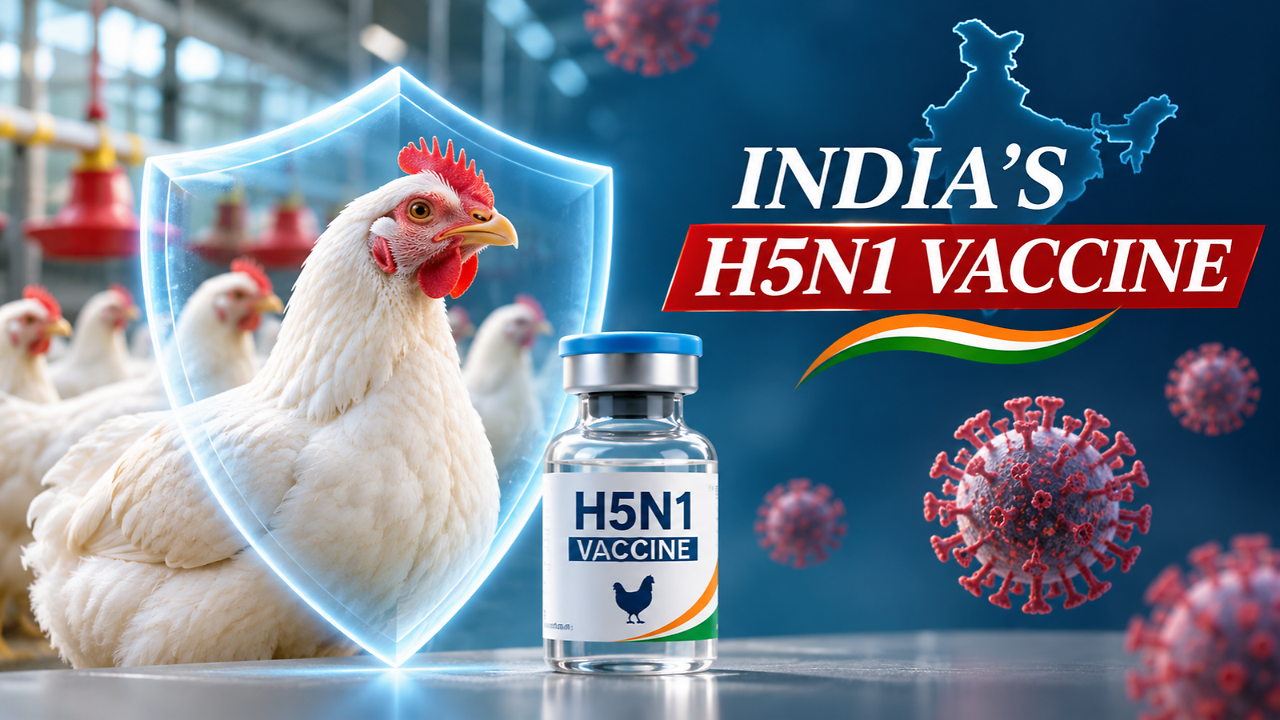
India is set to launch its first indigenously developed vaccine against H5N1 bird flu virus in chickens on November 20, as new outbreaks have been emerging in different parts of the country. Developed by scientists at ICAR-National Institute of High Security Animal Diseases (ICAR-NIHSAD), the inactivated vaccine targets H5N1 Clade 2.3.2.1a, a strain that caused several bird flu outbreaks among chickens in India. According to the Ministry of Agriculture and Farmers' Welfare, this marks a significant development in poultry and public health as there is no commercial vaccine against this particular H5N1 strain.Why India Developed A Bird Flu Vaccine For Chickens?Bird flu, medically known as avian influenza, is a viral infection that primarily affects birds. Highly pathogenic avian influenza (HPAI) strains, including H5N1, can cause severe illness and extremely high mortality among infected poultry.Since the first detection of bird flu in India in 2006, the country has reported more than 500 combined outbreaks involving H5N1 and H5N8 subtypes.These outbreaks can have serious economic consequences. Infected birds may need to be culled to prevent further transmission. The 2006 outbreak alone resulted in estimated direct and indirect losses of Rs 2,200–3,000 crore.The newly developed vaccine can help strengthen the country’s ability to prevent outbreaks and protect poultry populations against the H5N1 strain currently circulating in the country.Also read: UK Reports Its First Human Case Of Bird FluH5N1 Vaccine & Bird Flu Outbreaks In India The indigenous vaccine contains an inactive version of the virus that cannot replicate and infect. When administered, it exposes the chicken's immune system to viral components, just enough to allow it to recognise the virus and develop an immune response.If the vaccinated bird encounters the actual virus later, its immune system can recognise it and respond more effectively.The vaccine announcement comes just as fresh reports of bird flu infections in poultry have emerged. In Tamil Nadu's Cuddalore district, H5N1 infections were confirmed following sudden deaths among chickens at poultry farms. More than 35,000 birds had died by November 13, prompting authorities to initiate containment and culling efforts.Andhra Pradesh has also reported H5N1 infections in poultry, prompting restrictions and surveillance measures.The indigenous vaccine is an important step in India's poultry disease-control efforts, but its introduction does not mean bird flu outbreaks will be prevented completely.Its effectiveness depends on vaccination coverage, administration, monitoring of viral strains and compliance with farm biosecurity measures.Also read: New Strain Of Bird Flu Detected In US, Here’s How You Can To Stay ProtectedCan Bird Flu Spread From Chickens To Humans? Although H5N1 primarily affects birds, the virus can occasionally cross the zoonotic barrier and infect humans, especially those who have long-term contact with infected birds, their secretions or contaminated environments.Human infections can cause symptoms ranging from mild respiratory illness to severe pneumonia and, in some cases, death.According to the World Health Organization (WHO), 1,003 human cases of H5N1 infection, including 479 deaths, had been reported across 25 countries since 2003, as cited in the Indian government's November 18 announcement.Human infections, however, remain relatively uncommon and sustained human-to-human transmission has not been established.People working with poultry should avoid handling sick or dead birds without protective equipment. Unusual bird deaths should be reported to veterinary authorities.