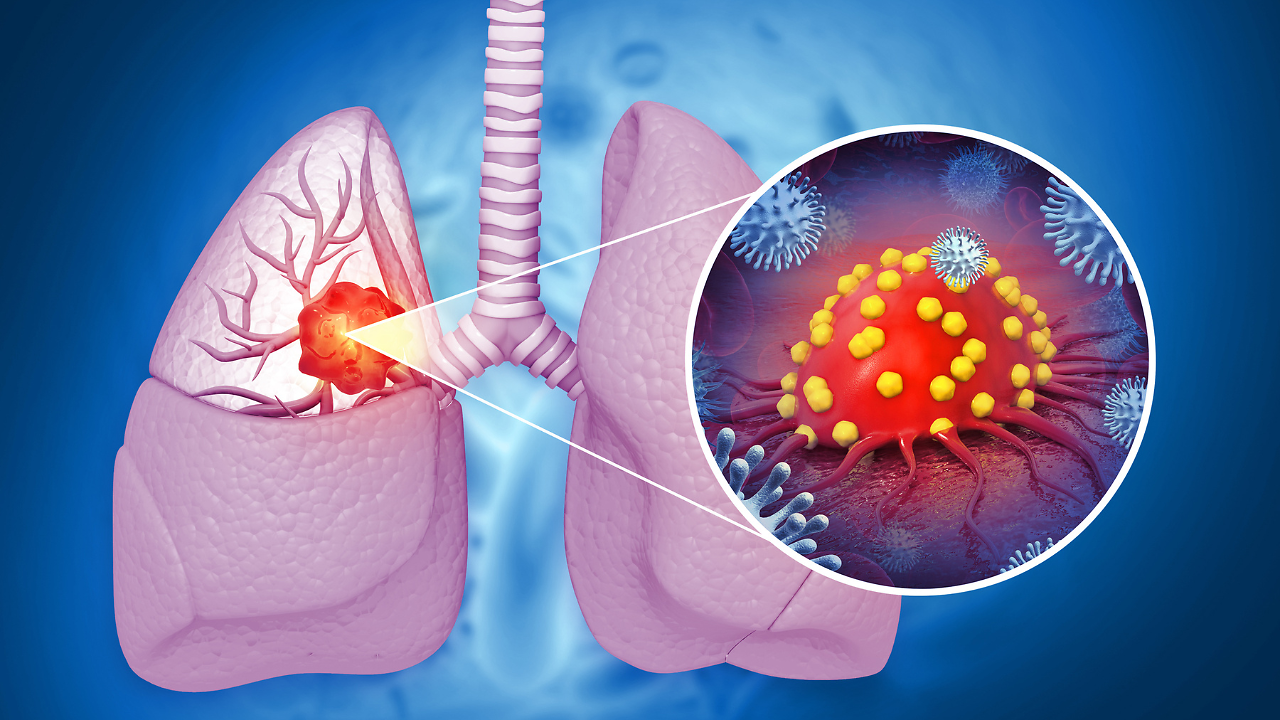
Lung cancer remains the leading cause of cancer deaths in the US, with 229,410 new cases expected this year, according to a annual report from the American Lung Association's (ALA).The Association's ninth annual State of Lung Cancer report stated that although five-year survival has improved, low screening rates, delayed diagnosis and unequal access to treatment remain major challenges.Harold Wimmer, President and CEO of the ALA, said, “the national five-year survival rate has increased significantly, from 18.1% to 31.0%, and screening rates have also continued to rise.”However, he warned that progress has not reached all communities equally.“Awareness is still low and challenges remain. We must continue to drive progress on lung cancer screening, comprehensive biomarker testing, clinical trials and effective treatments to help people live longer, fuller lives after a lung cancer diagnosis.”One In Five Lung Cancer Patients Receives No TreatmentOnly 29.3% of lung cancer cases are diagnosed early. Rhode Island recorded the highest early diagnosis rate at 38%, while Hawaii had the lowest at 21.9%.More concerning, 20.9% of patients received no treatment. The ALA identified potential barriers including lack of awareness, stigma, fatalism after diagnosis and treatment costs.No-treatment rates ranged from 13.4% in Rhode Island to 36.7% in Nevada.Only 1 In 4 Eligible People Gets ScreenedAnnual low-dose CT scans can detect lung cancer early in people at high risk. Yet only 24.4% of eligible Americans underwent screening.Massachusetts recorded the highest screening rate at 38.7%, while South Dakota had the lowest at 13.5%.Other Key FindingsThe US is expected to record 229,410 new lung cancer cases this year, with an incidence rate of 52.1 per 100,000 people. Utah had the lowest rate (24.6), while Kentucky had the highest (83.9).The five-year survival rate stands at 31%. Massachusetts recorded the highest rate (40.9%), while Alabama had the lowest (23.8%).Only 21.4% of patients underwent surgery. Massachusetts had the highest surgical treatment rate (32.7%), while New Mexico had the lowest (12.7%).Biomarker testing helps identify suitable targeted therapies and immunotherapies. Nineteen states mandate insurance coverage for comprehensive testing, seven require partial coverage, while 24 states and Washington, D.C., have no such mandate.Racial disparities persist, with people of color less likely to receive early diagnoses or surgery and more likely to receive no treatment than white patients.What Increases The Risk Of Lung Cancer?Smoking is a major risk factor. Others include radon gas, air pollution and secondhand smoke. The ALA recommends radon testing, reducing air pollution and stronger tobacco-control measures, including smoke-free laws and access to smoking cessation services.Why Is Lung Cancer Often Diagnosed Late?Cleveland Clinic defines lung cancer as a malignant disease that happens when cells in the lung tissue grow out of control and form tumors. It is the leading cause of cancer deaths worldwide. Lung cancer may cause no noticeable symptoms in its early stages. Symptoms can include persistent cough, coughing up blood, chest pain, unexplained weight loss, shortness of breath, recurrent chest infections and fatigue.These symptoms should not be ignored. Early detection improves the chances of successful treatment, particularly before the cancer spreads.