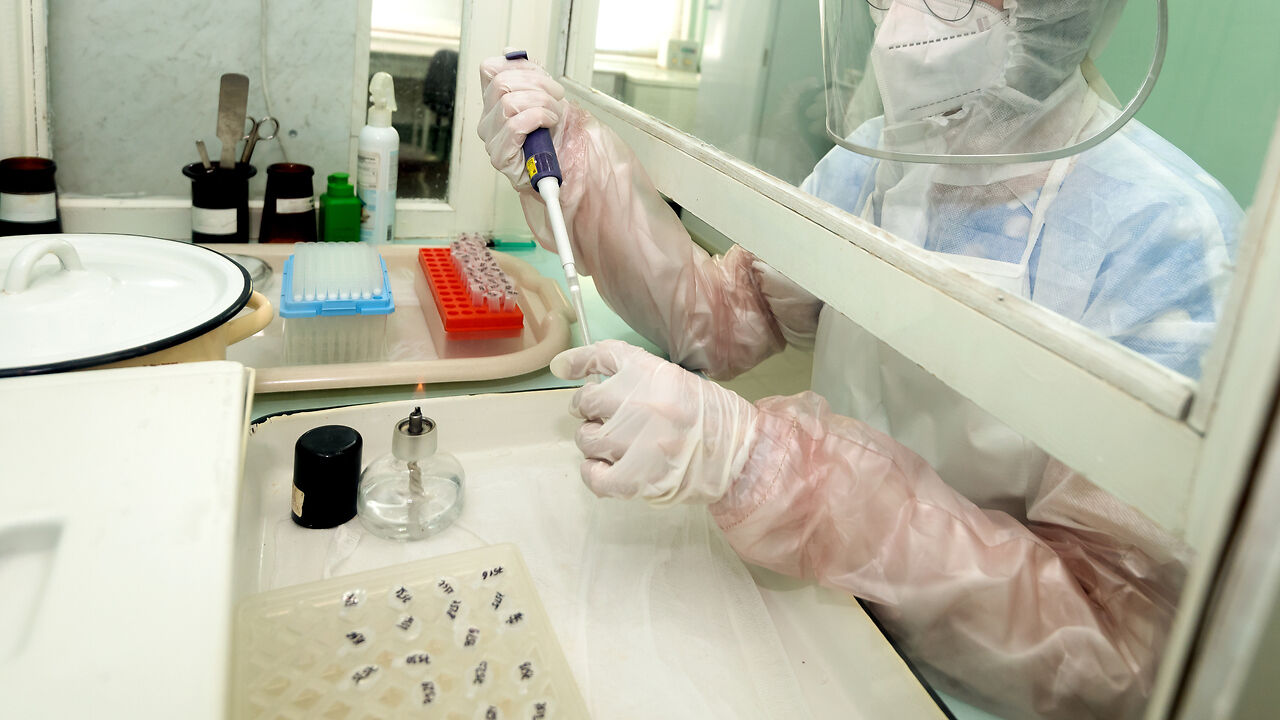
India is strengthening its early-warning system for infectious disease outbreaks through a network of 70 Virus Research and Diagnostic Laboratories (VRDLs) and Infectious Disease Research and Diagnostic Laboratories (IRDLs).Led by the Department of Health Research (DHR) and the Indian Council of Medical Research (ICMR), the initiative will introduce syndromic surveillance using real-time or near-real-time health data to identify potential outbreaks.The initiative was launched at the third DHR-ICMR Health Research Excellence Summit."Syndromic Surveillance under the DHR Virus Research and Diagnostic Laboratories (VRDL) Scheme will create an early-warning network for outbreaks across 70 VRDLs and Infectious Disease Research & Diagnostic Laboratories (IRDLs)," ICMR announced.The network will support epidemiological investigations and help authorities assess an outbreak's scale, geographical spread and speed of transmission.Which 4 Infectious Disease Syndromes Will India Track?Also read: ICMR Flags Widespread Antibiotic Resistance Across India: From E. coli To Typhoid, Which Drugs Are Failing?As reported by Hindustan Times, the surveillance framework will focus on four major infectious disease syndromes:Acute Febrile Illness (AFI): Including acute undifferentiated fever, fever with rash and fever with lymphadenopathy.Acute Encephalitis Syndrome (AES): Conditions involving inflammation of the brain, often linked to infections.Acute Respiratory Illness: Infections affecting the respiratory system.Acute Diarrhoeal Disease: Infections causing diarrhoea.ICMR has prepared syndrome-specific priority pathogen lists to guide doctors, laboratory specialists, epidemiologists and policymakers on testing and surveillance.Why Does India Need Standardised Pathogen Testing?A document outlining the framework, seen by the media outlet, points to limited countrywide data on pathogen prevalence and trends to guide surveillance policies.As testing protocols differ between institutions and regions, many follow disease-specific approaches and sequential testing, leading to "missing out on common or critical pathogens".Such gaps can hamper patient care and aggravate public health challenges, including antimicrobial resistance (AMR).To address this, ICMR has identified priority pathogens responsible for critical infectious disease syndromes in India.Read More: New COVID Variant PJ.2.1 Spreading Globally: Is India At Risk, Are There New Symptoms?How Will ICMR Prioritise Infectious Disease Pathogens?The priority lists were developed through 44 meetings involving clinicians, laboratory specialists and epidemiologists from across the country, the report said.Expert groups reviewed scientific literature from India and similar settings, considering pathogen prevalence, emerging trends, outbreak potential, disease elimination targets and the availability of diagnostics and treatments. The pathogens have been classified into four categories:Priority 1A: Commonly detected pathogens that are important to identify before starting treatment.Priority 1B: Other commonly detected pathogens in clinical settings.Priority 2: Less common pathogens found in clinical settings.Priority 3: Rare pathogens that may require specialised laboratory testing and surveillance.Testing priorities will also depend on local and seasonal risks. Endemic pathogens will receive greater attention in affected regions, while outbreak-prone infections will be prioritised during outbreaks. Seasonal pathogens will be given greater attention during periods such as the post-monsoon and flooding seasons.Animal exposure, including contact with cats, rats and rabbits, and suspected exotic infections will also influence testing priorities. The initiative aims to improve pathogen detection, strengthen clinical diagnosis and help authorities identify unusual disease patterns before they escalate into larger outbreaks.