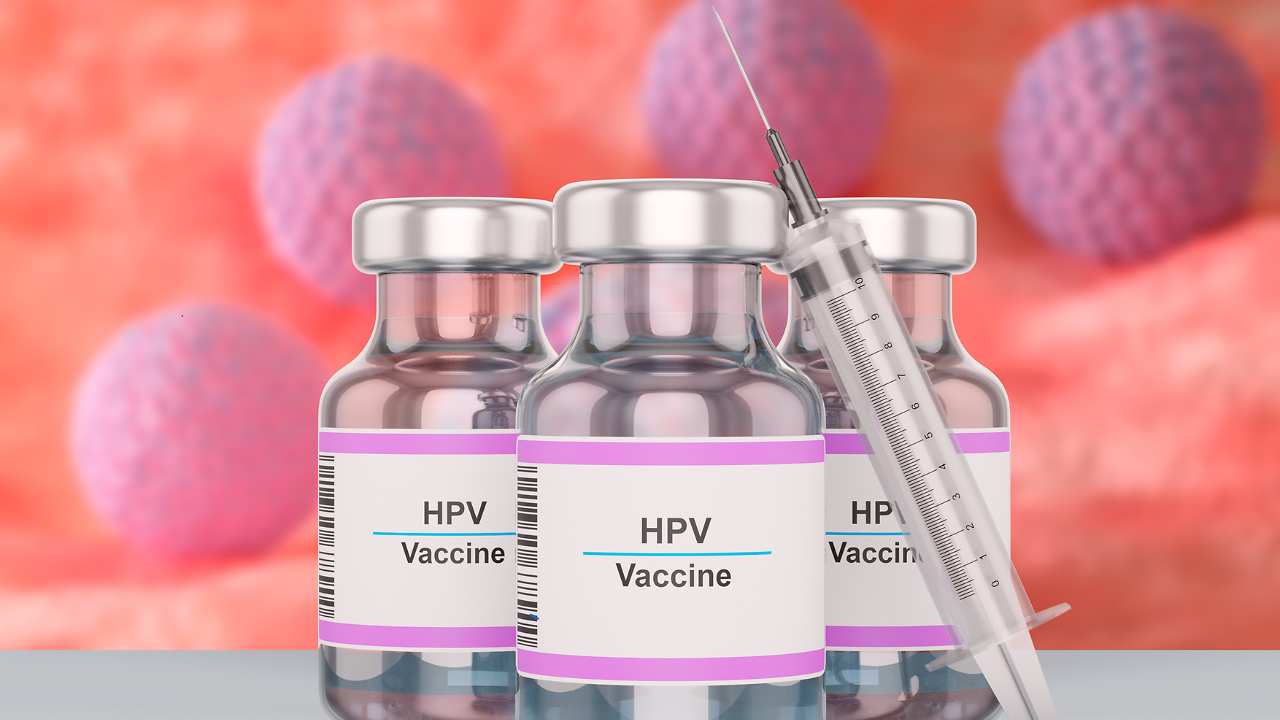
India’s first indigenously developed gender-neutral quadrivalent human papillomavirus (HPV) vaccine, Cervavac, has received prequalification from the World Health Organization (WHO), the Serum Institute of India announced today. WHO prequalification marks an important regulatory milestone and opens the possibility of UN agencies procuring Cervavac and supplying it to eligible countries. It could also expand access to HPV vaccination for both boys and girls globally. “WHO prequalification of Cervavac is an important step in strengthening the global response to HPV. This milestone reflects the effectiveness of the vaccine and creates the opportunity for countries to prevent HPV-related risks. We are pleased to see this indigenously developed vaccine reach this achievement, and look forward to contributing to immunization coverage, advancing global healthcare,” said Adar Poonawalla, Chief Executive Officer, Serum Institute of India, in a statement. What Is Cervavac? Cervavac is a recombinant quadrivalent HPV vaccine that targets HPV types 6, 11, 16 and 18. India’s drug regulator, the Central Drugs Standard Control Organization (CDSCO), has already approved Cervavac vaccine for girls and boys aged 9 to 26 years. HPV types 16 and 18 are associated with several cancers, while types 6 and 11 are responsible for most genital warts. In girls and women, Cervavac is indicated for the prevention of cervical, vulvar, vaginal and anal cancers caused by HPV types 16 and 18, as well as genital warts caused by types 6 and 11. In boys and men, it is indicated for the prevention of anal cancer caused by HPV types 16 and 18 and genital warts caused by types 6 and 11. The vaccine was developed with support from the Department of Biotechnology (DBT) and the Biotechnology Industry Research Assistance Council (BIRAC), in collaboration with the WHO’s International Agency for Research on Cancer (IARC) and the Gates Foundation. The WHO prequalification is the 32nd received by the Serum Institute for its products and biologicals. Who Is Eligible for Cervavac? Cervavac is approved in India for girls and boys aged 9 to 26 years. Children aged 9 to 14 years receive the vaccine as a two-dose schedule, with doses given at 0 and six months. Those aged 15 to 26 years receive three doses at 0, two and six months. The vaccine is administered intramuscularly and is available in 0.5 mL single-dose and 1 mL two-dose vial presentations. Could Cervavac Join India’s Vaccination Program? Cervavac is yet to be incorporated into India’s Universal Immunization Program (UIP). The vaccine is currently being studied as a single-dose vaccine. An ongoing study led by the Indian Council of Medical Research (ICMR) is assessing whether one dose produces sufficient and sustained antibody protection compared with a single dose of Gardasil. The results are expected in 2027. Evidence from the study could help determine whether Cervavac can be recommended as a single-dose vaccine and considered for inclusion in India’s national immunization program. Rajesh Gokhale, secretary of the Department of Biotechnology, said Cervavac was initially not introduced into the national program because it required two doses. “The single-dose will come in (to the national program) after it has been clinically tested,” he was quoted as saying. Cervavac currently costs around Rs 2,000 in the private market, although its potential price for government procurement has not been disclosed. India’s HPV Vaccination Drive And Cervical Cancer Burden India launched a nationwide HPV vaccination campaign for 14-year-old girls in February 2026, using Gardasil-4, developed by Merck. Cervavac was launched in India in September 2022 after Phase 2/3 trials found it to be non-inferior to Gardasil. At the time, Serum Institute had indicated that the vaccine could potentially be supplied to the government at a substantially lower price through public procurement. Cervical cancer remains a major public health concern in India, with about 80,000 new cases reported annually and more than 42,000 deaths. India accounts for roughly one-fifth of the global cervical cancer burden.