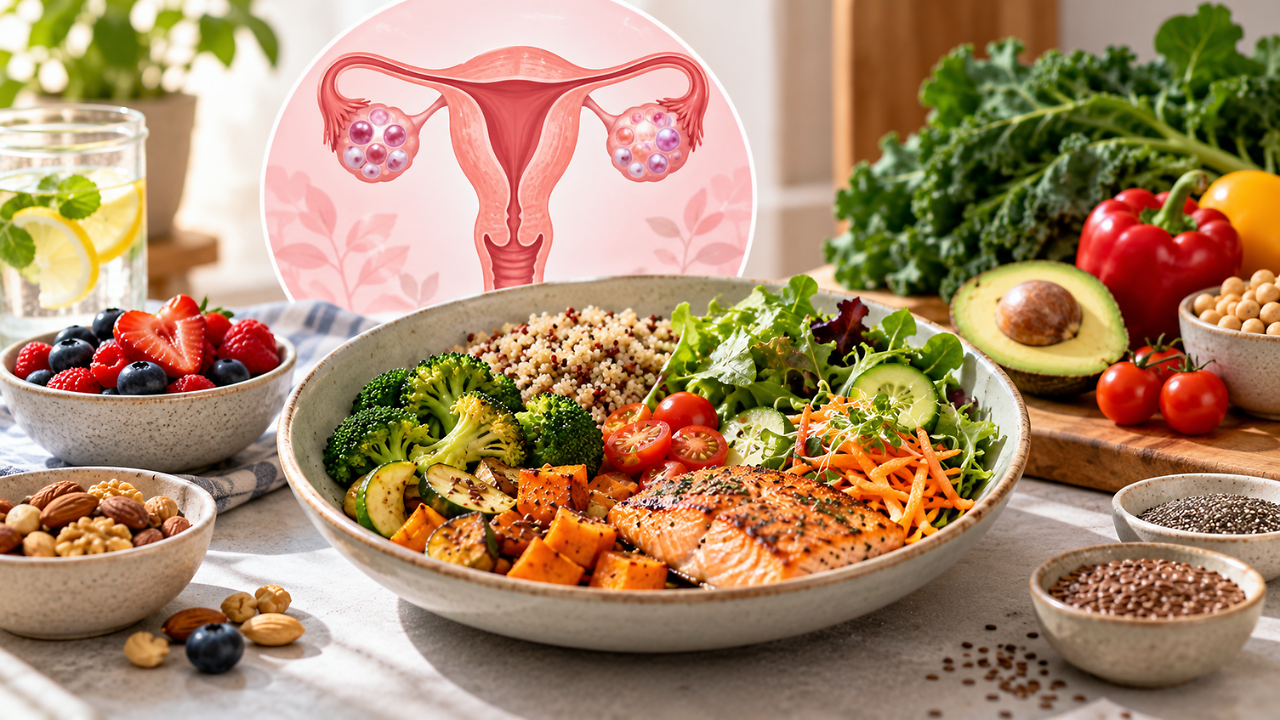
A 20-year-old girl came in with a three-year history of missing periods, sometimes for three to four months at a stretch. She had also noticed increasing facial hair, a common sign of hormonal imbalance. She was thin-looking and had a normal body weight, with no history of significant weight gain. Further evaluation, however, showed that she had PCOS along with metabolic abnormalities.Her case highlights an important misconception: PCOS does not always come with weight gain. Women with normal body weight can also develop the condition, and appearance alone cannot determine whether someone has PCOS.Why Can Symptoms Persist Despite Eating Healthy?Many women with PCOS focus on eliminating sugar, carbohydrates or processed foods, but overlook whether their diet provides enough protein, fibre and essential nutrients. PCOS can affect menstrual cycles, ovulation, androgen levels and metabolic health, and insulin resistance does not affect everyone in the same way.Diet is also only one part of management. Hormonal factors, physical activity, sleep, genetics and individual metabolic health can influence symptoms. Persistent symptoms do not necessarily mean that someone is eating incorrectly.Build a Balanced Plate Instead of Cutting FoodsPoha, upma, idli, rice and roti can all be part of a balanced diet. The focus should be on the overall meal rather than eliminating familiar foods.A balanced meal can include:Protein such as dal, curd, paneer, tofu, eggs, beans or sproutsVegetables, whole fruits and other fibre-rich foodsAn appropriate portion of whole or minimally processed carbohydratesHealthy fats from nuts and seedsCarbohydrates do not need to be eliminated. Pairing them with protein and fibre can improve satiety and contribute to better overall metabolic health.Also read: Ozempic, Wegovy & PMOS: How GLP-1 Drugs Are Changing PMOS Treatment?Common PCOS Diet MythsOne common myth is that every woman with PCOS needs to follow a very low-carbohydrate diet. Another is that being thin means PCOS is unlikely. Neither reflects the full picture.Overly restrictive diets can also result in inadequate nutrition and may be difficult to sustain. The goal should be a balanced eating pattern rather than a growing list of foods to avoid.Do Not Overlook Essential NutrientsIron may require attention when menstrual bleeding is heavy or prolonged, while vitamin B12 can be relevant when animal foods are limited. Calcium and vitamin D are also important when dietary intake is inadequate. Supplements should be considered according to individual needs and medical advice rather than taken routinely.Also read: Why Rebranding PCOS As PMOS Could Mark A New Era In Women’s HealthManagement Goes Beyond DietRegular physical activity, adequate sleep and a consistent routine can support overall metabolic health. Depending on symptoms and individual needs, medical treatment may also include medicines to regulate periods, manage specific hormonal symptoms, address insulin resistance where appropriate, or support fertility.PCOS is generally a long-term condition rather than one with a single permanent cure, but its symptoms and associated metabolic concerns can be effectively managed.When Should You Seek Medical Advice? Women should consider medical evaluation if they experience:Repeatedly irregular periods or gaps of several monthsIncreasing facial or body hair or persistent acneDifficulty conceivingPersistent changes in menstrual or hormonal patternsThe goal of PCOS management is not to eat less or eliminate more foods. It is to understand the individual pattern of symptoms and build sustainable habits that support nutritional, hormonal and metabolic health.By Dr Ranjana Sharma, Senior Consultant, Obstetrics and Gynaecology, Indraprastha Apollo Hospital, Delhi