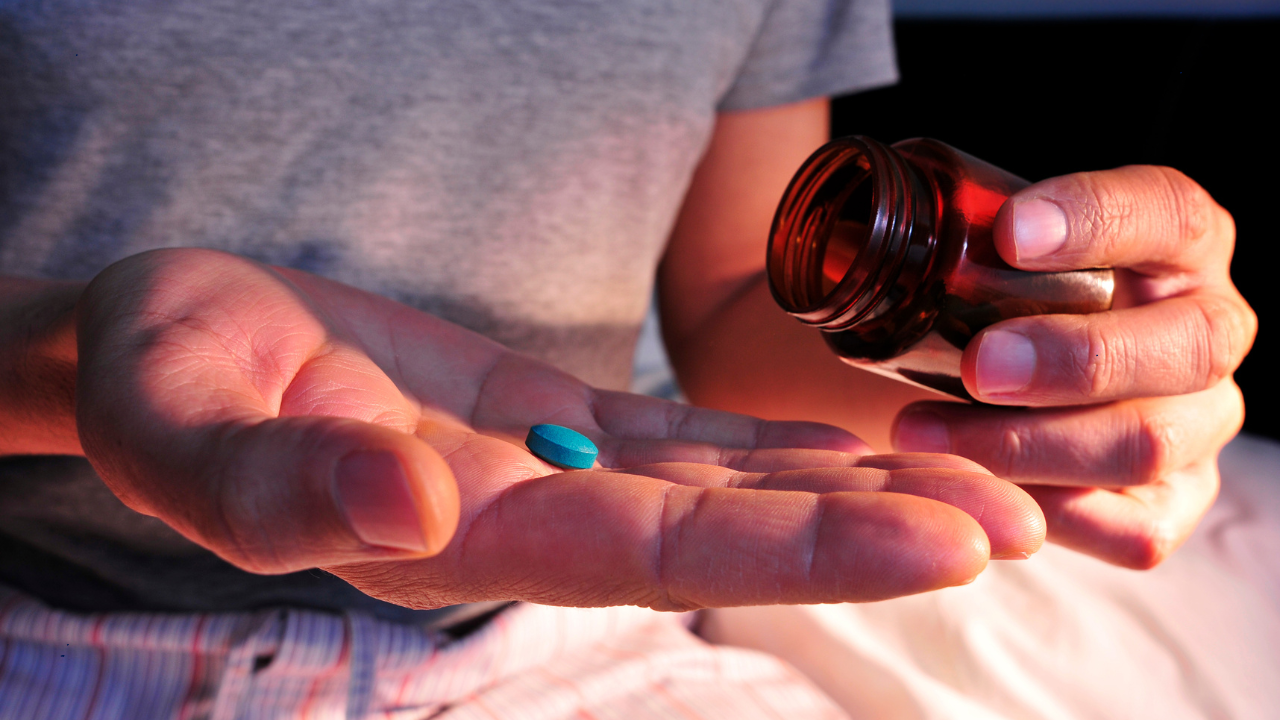
Viagra, best known as a treatment for erectile dysfunction, may also help stop cancer from spreading, raising new hopes for cancer treatment, according to a new study.Researchers from the Weizmann Institute of Science in Israel found that sildenafil, the active ingredient in Viagra, may enhance a newly identified cholesterol-regulating mechanism that could be used to curb cancer metastasis."We have uncovered a new biological pathway that links a well-known signaling molecule to cholesterol regulation within cells, and shown how this pathway can be harnessed to interfere with the ability of cancer cells to form metastases," said Prof. Ayelet Erez of the Weizmann Institute of Science.Cancer and Cholesterol: How Viagra WorksThe study, published in Cancer Research, showed that sildenafil limits cancer cells' ability to use cholesterol, an essential component of cell membranes.Cholesterol is especially important for cancer cells that break away from the primary tumor, travel through the body, and invade distant organs. When their access to cholesterol is reduced, these cells have greater difficulty forming metastases.Sildenafil works by blocking an enzyme called phosphodiesterase type 5 (PDE5), increasing levels of a signaling molecule known as cGMP. While elevated cGMP levels are known to dilate blood vessels and improve blood flow—making Viagra effective for erectile dysfunction—the researchers found it has another role.The team discovered that cGMP also binds to a protein responsible for transporting cholesterol within cells. This reduces the amount of cholesterol available to the cell, making cancer cells particularly vulnerable because they rely heavily on cholesterol during metastasis.Viagra and Statins May Work Better TogetherThe researchers, including scientists from the US National Cancer Institute, also found that combining sildenafil with statins—drugs that reduce cholesterol production—may be even more effective at restricting cancer spread.The combination may not only limit cancer cells' access to existing cholesterol but also prevent them from producing new cholesterol, potentially enhancing the anti-metastatic effect.How Was The Study Conducted The findings are based on mouse models of cancer, cultures of cancer cells from human patients, and data collected over 20 years.The statistical analysis showed significantly improved survival among cancer patients who took sildenafil, particularly when it was combined with statins, consistent with the findings from mouse models and human cell cultures."Our study underscores the importance of treating the whole patient—not just the cancer—when tailoring the most effective therapy," Erez said.What Is Metastatic Cancer? Many cancers can often be treated successfully when detected early. Surgery, radiation and chemotherapy are all powerful tools to remove or destroy tumors in their original location. However, when cancer metastasizes, that is, when the original tumor at one place in the body breaks loose and begins growing elsewhere in the body, the treatment becomes infinitely more complex. This is the stage of metastatic or stage 4 cancer, which forms the true proving ground of modern medicine.Metastatic cancer happens when cancer cells detach from the primary tumor, circulate in the bloodstream or lymphatic system, and develop new tumors in other tissues or organs. They are not a new type of cancer; they're the same cancer that originally occurred at the primary site.