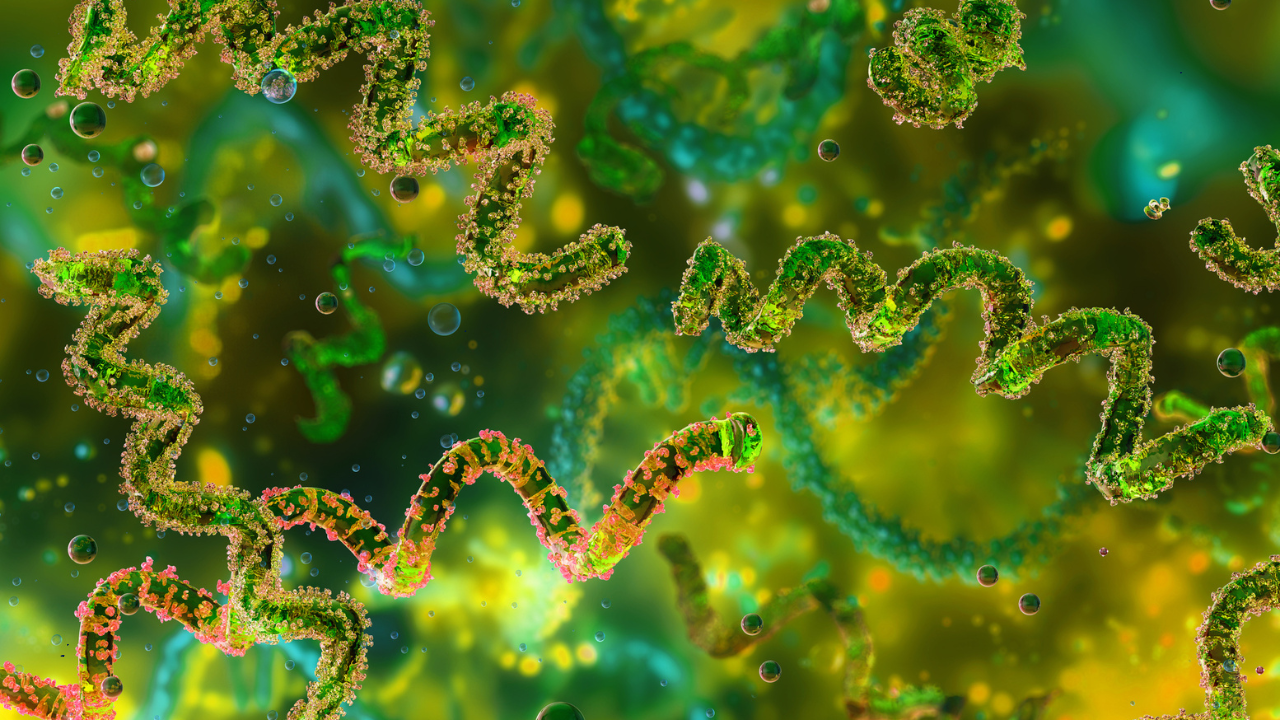
Health officials in the US have issued a risk of leptospirosis — a bacterial illness — in Hawaii, after the “Kona low” storm floods. The Hawaii Department of Health (DOH) and the Hawaiian Humane Society (HHS) have urged residents and recovery workers to monitor for signs of leptospirosis that can affect both people and pets. Leptospirosis is caused by bacteria Leptospira, which are carried in the urine of infected animals, including rats, mice, mongoose, livestock, and dogs. The disease can spread via the urine of infected animals and can enter the human body through broken skin or through the mouth, nose, or eyes. “Hawaii already has among the highest rates of leptospirosis in the country due to its warm, wet climate,” said HHS and DOH in a joint statement.“Flooding events like the recent Kona low storm can dramatically increase exposure risk by spreading contaminated soil and water across a broad area,” it added.The agency urged people to check out symptoms in pets, such as fever, decreased appetite, vomiting, diarrhea, and muscle soreness, and get medical help. The risk of Leptospirosis outbreak is common after a storm, because the dead animals are likely to spread the bacteria. Further, flooding also forces rodents out of their burrows, leading them into homes, shelters, and debris piles where they shed bacteria more easily.What Is Leptospirosis? Leptospirosis is one of the most prevalent zoonotic diseases worldwide, often linked to poor sanitation and agricultural practices that involve contact with animals or contaminated water. The bacteria can survive in contaminated water or soil for weeks to months, primarily spreading through the urine of infected animals. Also read: With Rising Temperatures A Major Rat Infestation Is Taking Over The World- Why Is This A Health Hazard?Humans can contract the disease through direct contact with infected urine or through contaminated food, water, or soil. There are two main forms of leptospirosis: icteric leptospira, which presents with jaundice, and anicteric leptospira, a milder variant without jaundice. Leptospirosis can also manifest as Weil's disease, a severe complication. What Are Symptoms Of Leptospirosis in humans? Symptoms typically develop 2 to 30 days after exposure and can range from mild to severe. Initial signs often include high-grade fever, red eyes (conjunctival suffusion), calf tenderness, headache, dry cough, nausea, diarrhea. Also read: Nipah Virus: An 'Underestimated' Threat, Can Turn 'More Severe', Say ScientistsIn more serious cases, the infection can lead to complications such as jaundice, kidney damage liver damage, meningitis, respiratory issues, hemorrhages. Pulmonary hemorrhage — acute bleeding from the lungs — can also occur, posing life-threatening risks such as respiratory and renal failure. The illness may last from a few days to several weeks, and without treatment, recovery can take months, according to the US Centers for Disease Control and Prevention (CDC). What Precautions Should Be Taken? To reduce the risk of leptospirosis infection, individuals are advised to take several important precautions. According to the CDC, it is essential to avoid wading through dirty rainwater, especially during the rainy season, and to wear gumboots in such conditions. Proper care of any injuries or cuts is crucial, and frequent handwashing, particularly after handling food or working in potentially contaminated environments, is highly recommended. Additionally, individuals should avoid contact with animals that appear sick or are known carriers of the bacteria. Vaccination is also vital—pet owners should ensure their pets are vaccinated against leptospirosis, especially if they are frequently exposed to water or wildlife. Staying hydrated by drinking plenty of clean water and preventing water stagnation around the home can further minimize the risk of infection.