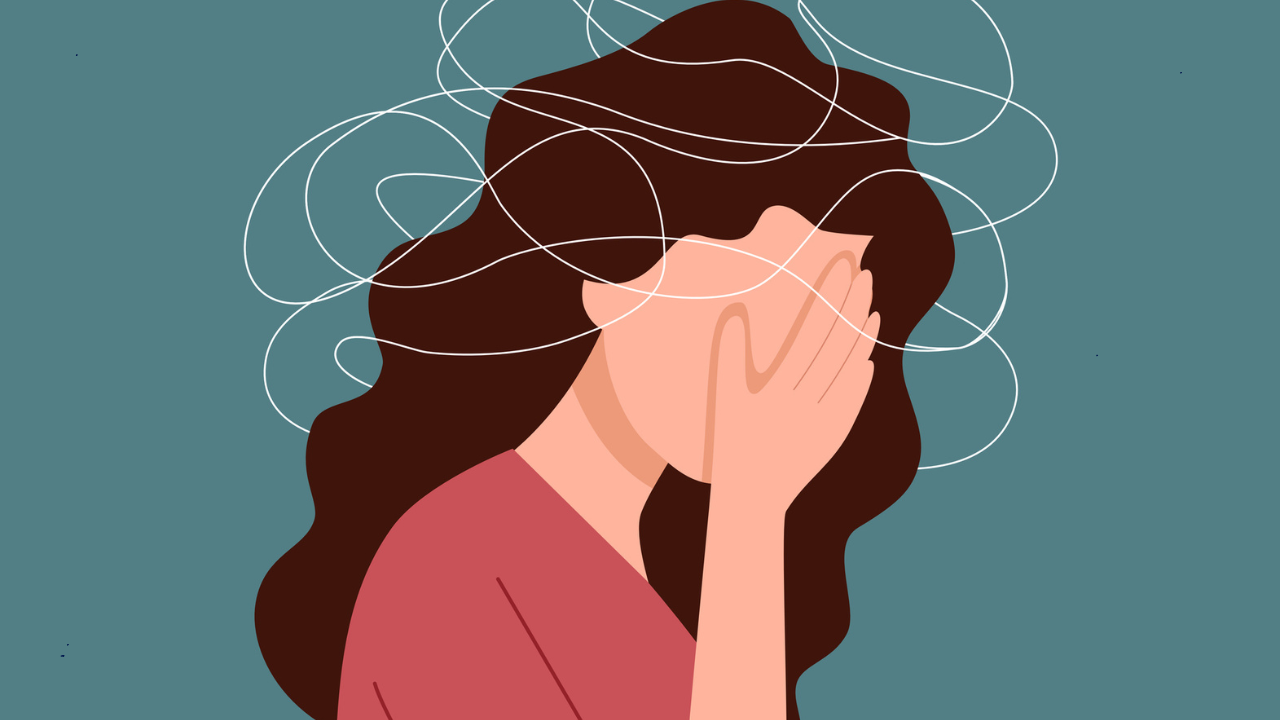
Long COVID is a group of debilitating conditions that can persist for months or even years after infection with the SARS-CoV-2 virus, which causes COVID-19.While scientists are still working to fully define the condition, one of the most common and disabling symptoms is brain fog—a cognitive impairment that can significantly affect people's personal and professional lives.People with brain fog often report difficulty concentrating, multitasking, reading, remembering information, and speaking in full sentences. Fatigue frequently worsens these symptoms. Despite its widespread impact, there are currently no established diagnostic tests or approved treatments for long COVID-related cognitive impairment.First Treatment For Brain FogA new clinical trial led by researchers at UCL now offers promising evidence that cognitive rehabilitation may provide lasting relief for these symptoms.Published in JAMA Network Open, the study found that a 10-week cognitive rehabilitation program helped people with long COVID-related brain fog achieve meaningful improvements in returning to work, hobbies, and everyday activities.The treatment consisted of weekly one-hour, one-to-one video sessions with a therapist who helped participants develop practical strategies to meet their personal rehabilitation goals. Most participants continued to benefit from the program for at least six months after treatment.Also read: Natural Origin or Lab Leak? Gabbard Reignites COVID Origins Debate, Claims Fauci Funded Wuhan Lab Research"As many as one in three people with COVID go on to develop long COVID, and cognitive difficulties are among the most common symptoms that can persist for months, disrupting day-to-day functioning and quality of life. People might find it hard to focus or hold on to their thoughts as they struggle with memory, attention and planning, often compounded by fatigue," said lead author Dr Martina Vanova, who completed the research at UCL before moving to Kingston University."In our study, we used well-established strategies of goal-oriented cognitive rehabilitation to help people develop ways to tackle the challenges that are most meaningful to them," Vanova added.How Was The Study Conducted?Read More: 1 in 6 Americans May Be Suffering From Long COVID, Study FindsThe study, funded by the National Institute for Health and Care Research (NIHR), included 78 participants in England who had experienced cognitive symptoms of long COVID for at least three months.Half of the participants received the cognitive rehabilitation program, while the other half continued with standard NHS care, which varied by region.Before treatment began, each participant completed an online goal-setting interview to identify three personal goals they wanted to achieve. Most goals focused on returning to work and improving job performance, while others involved everyday activities such as staying focused long enough to watch a full film or read a book.Therapists then worked with participants to develop personalized strategies to help them achieve those goals.What Did the Study Find?Read: COVID-19 Vaccination Reduced Risk of Heart Attacks and Strokes in Elderly by 40%: StudyThree months after completing treatment, 84% of participants who received cognitive rehabilitation reported a significant improvement in goal attainment on a 10-point scale, compared with 53% of those receiving standard care.The benefits were sustained over time. After six months, 53% of participants in the rehabilitation group reported a substantial improvement—defined as an increase of four or more points on the 10-point goal scale—compared with just 15% of those in the control group.Researchers also observed measurable improvements in executive function, including better cognitive flexibility and faster processing speed.Researchers also noted that early findings from a separate analysis suggest the program is cost-effective."We have found a treatment that provides clinically meaningful and sustained benefit for people with cognitive long COVID symptoms," said Joint senior author Dr Aida Suarez-Gonzalez of the UCL Queen Square Institute of Neurology. "As this program is based on established cognitive rehabilitation techniques that have been used for other conditions, we hope that it can be easily rolled out as a treatment option for people currently living with long COVID."