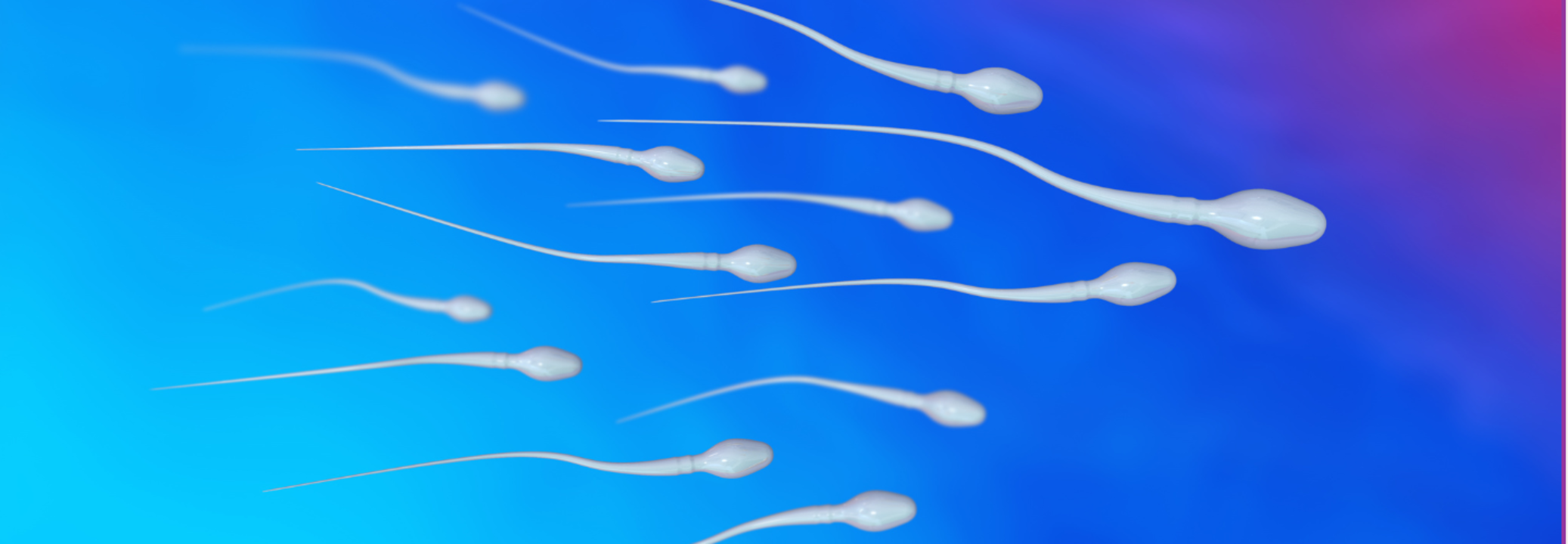
In a revolutionary step toward redefining fertility treatment, a man in his early 20s has become the first person to undergo a unique procedure involving the transplantation of his own sperm-forming stem cells, preserved since childhood. This pioneering transplant, aimed at restoring fertility in men affected by azoospermia—a condition in which no sperm are present in semen—marks a potential paradigm shift in reproductive medicine.The treatment, yet to be tested clinically, might provide hope for hundreds of thousands of men worldwide who risk irreversible infertility from cancer therapy or hereditary diseases.In the United States alone, an estimated 645,000 or more men between the ages of 20 and 50 live with azoospermia, a condition that may be caused by hormonal imbalance, obstructions in the reproductive tract, or failure of the testes. For most of these men, traditional choices like donor sperm or adoption are the only possible routes to parenthood.But what if men could regain their fertility using their own living tissue? That's the groundbreaking promise of spermatogonial stem cell (SSC) transplantation.What Are Spermatogonial Stem Cells?Spermatogonial stem cells are undifferentiated reproductive cells found in the testicles, existing even before a male child enters puberty. Naturally, these cells are stimulated by hormonal fluctuations during puberty, slowly developing into sperm.But conditions such as chemotherapy, radiation, or genetic defects can destroy these stem cells or inhibit their formation, resulting in azoospermia. The new transplant procedure aims to overcome this obstacle by saving and reintroducing these cells into the testes when the patient becomes an adult or finishes medical treatment.How the Procedure Works?This procedure starts with the extraction of sperm-forming stem cells through an ultrasound-guided needle during the patient's youth, usually before they receive treatments that can damage their fertility, such as chemotherapy. These cells are obtained from the rete testis, a network of small ducts connected to the sperm-producing seminiferous tubules, and then cryogenically frozen for long-term preservation.Years later, the same cells are thawed and reintroduced to the environment of the testicle through a comparably guided procedure. When successful, the cells implant within the seminiferous tubules, replicating the puberty process in that they mature into healthy sperm.This technique has already proved to be encouraging in animals, in which mice and monkeys not only produced sperm but also sired healthy offspring.It is the first time that this method has been tried on a human patient. The patient, now in his 20s, had his sperm stem cells removed as a child when he underwent chemotherapy for bone cancer. Earlier this year, these stored cells were implanted back into his testes during a clinical trial.To date, ultrasounds assure that the transplant operation did not result in tissue damage. His hormone levels are still within the normal range—a very important sign of a functioning reproductive system. But no sperm have yet been found in his semen.One of the main restrictions in this trial is the limited number of cells that were initially harvested. To safeguard the patient's reproductive tissues during childhood, physicians harvested only a small amount of stem cells. Consequently, the present transplant might not deliver a sufficient volume of cells to initiate substantial sperm production.Nevertheless, hope is not lost. Scientists are tracking the patient every two years by semen analysis. If sperm are produced—even in minute amounts—physicians can surgically harvest them for assisted reproduction, like IVF.Ethical and Safety ConsiderationsAs with any innovative medical procedure, safety and ethical issues still persist. Although employing the patient's own cells reduces rejection risks to a minimum, there remains a theoretical risk that the immune system may react adversely, leading to inflammation. Moreover, there is a possible risk that some stored cells can carry detrimental mutations, especially in patients who have a history of blood cancers such as leukemia.There are also moral issues regarding informed consent—particularly where the procedure is done on young boys. Can children really grasp the long-term effects of harvesting and storing stem cells for future use?This pioneering procedure, reported in a March 26 paper on medRxiv (a health sciences preprint server), is currently in preliminary stages of assessment and not yet peer-reviewed. But it provides a thrilling preview of what may become a routine fertility preservation technique for boys undergoing early-onset medical treatments.If successful, spermatogonial stem cell transplantation may be more than a medical breakthrough—it may restore hope, dignity, and the chance at fatherhood to millions of men worldwide.The science is not yet mature, and the outcome of this inaugural human trial is eagerly awaited. But the promise of spermatogonial stem cell transplantation cannot be denied. As scientists progress to make this revolutionary treatment even better, a new era in reproductive medicine may well have just commenced—one where fertility can be preserved, banked, and arguably revived no matter what a man's medical history.