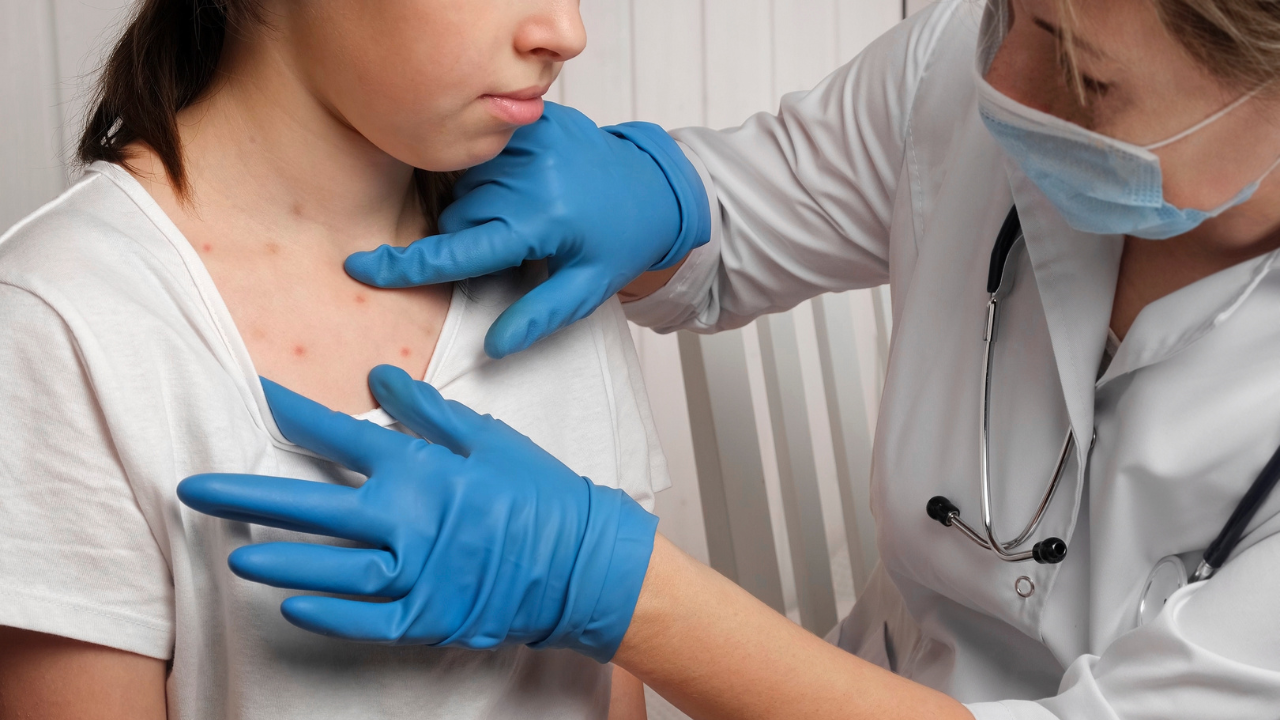
Maryland has declared a measles outbreak in three counties after 14 new cases were confirmed, marking a sharp rise in infections in the US state. The Maryland Department of Health said the new cases were identified among residents in St. Mary’s, Carroll and Cecil counties who were unvaccinated. The latest cases bring the state's total to 31 confirmed measles cases in 2026, with 27 reported since July 15. The development comes as children return to school and highlights how quickly measles can spread when pockets of people remain unprotected.New Measles Cases In MarylandSince July 15, Maryland has recorded 13 cases in St. Mary’s County, eight in Carroll County, five in Cecil County and one in Charles County. All the 27 people who were infected during this period were unvaccinated, according to state health officials. Maryland had reported only three measles cases during all of 2025, making the increase particularly striking. Health officials said there were no public exposure sites associated with the latest cases. Several infections that have occurred are in households.Also read: Trump Signs Order To Change Childhood Vaccine Schedule Amid Measles Outbreak, Split MMR Into Three Shots Measles Is Highly ContagiousMeasles, caused by the measles virus, spreads through the air when an infected person coughs, sneezes or breathes. According to Maryland health officials, the virus can remain in the air for up to two hours after an infected person leaves an area. Around 90% of susceptible people exposed to measles can become infected. This makes measles considerably more contagious than many other respiratory infections. The illness typically begins with high fever, cough, runny nose and red, watery eyes, followed by a characteristic rash that usually begins on the face and spreads downward.Also read: US Kindergarten Vaccination Rates Decline, Exemptions Rise as Measles Cases Hit 35-Year HighSerious Complications Due To MeaslesWhile many people recover, measles can cause serious complications, particularly in young children, pregnant women and people with weak immune systems.Complications can include pneumonia, ear infections, severe diarrhoea and dehydration. In some cases, the infection can cause encephalitis, or inflammation of the brain, which can result in permanent neurological damage.Measles can also cause a rare but fatal neurological condition called subacute sclerosing panencephalitis (SSPE) years after the original infection.Also read: What Trump’s Childhood Vaccine Order Means: When Will It Take Effect?Vaccination Is The Best ProtectionThe MMR vaccine, which protects against measles, mumps and rubella, remains the primary way to prevent infection. Maryland Health Secretary Dr Meena Seshamani said the overall risk remains low for people who are fully vaccinated, while urging residents to check whether they are up to date on vaccination.“Checking your vaccination status and getting vaccinated if you are not up-to-date is the simplest and most effective way” to protect communities, Seshamani said. The state health department is particularly urging Marylanders to help protect young children and others who are most vulnerable. Parents should be alert for fever, cough, runny nose, red eyes and a developing rash, particularly if their child is unvaccinated or has been exposed to someone with measles.Anyone who suspects measles should contact a healthcare provider before arriving at a clinic or hospital, since entering a waiting room while infectious could expose other patients.Also read: Candida auris Detected in 27 US States: Scientists Reveal How the Deadly Fungus Colonizes SkinDonald Trump's Order To Split MMR Vaccine This also comes after US President Donald Trump signed an order to split the measles, mumps and rubella (MMR) vaccine into individual shots. The move was panned by health experts and authorities from different states as well as countries. Medical experts and lawmakers said that the proposed changes are not supported by new scientific evidence.One of the biggest hurdles in implementing this proposal is that individual measles, mumps and rubella vaccines are not currently available in the US. Republican Senator Bill Cassidy, a physician and chairman of the Senate health committee, also criticised the latest move. “I’m a doctor. This executive order is wrong,” Cassidy said. “The President does not have the expertise to make these changes.”Doctors are particularly concerned about separating the vaccines and keeping them too far apart. When children need multiple visits to receive protection against different diseases, there can be longer periods during which they remain unprotected. Public health experts warn this could become especially problematic during outbreaks of diseases that can be prevented by vaccines.