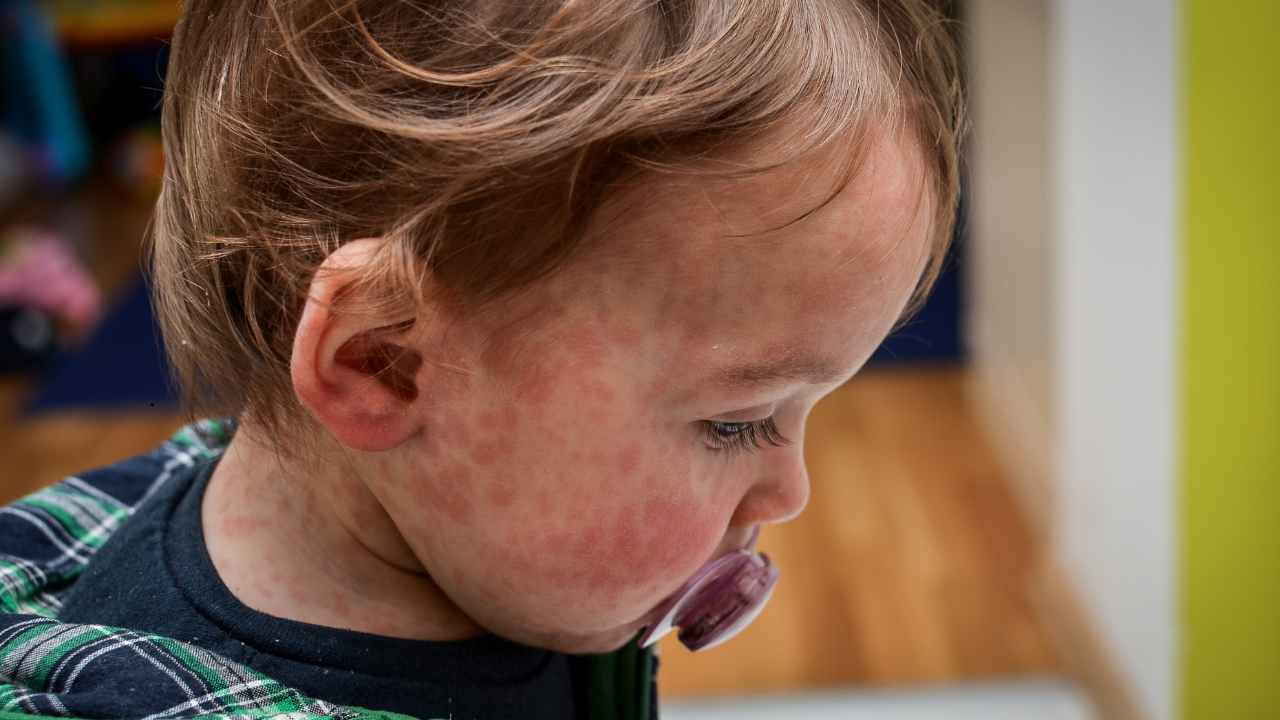
Mongolia is witnessing a sharp rise in measles infections, with the total number of confirmed cases reaching 14,123, according to the country’s National Centre for Communicable Diseases (NCCD). Health officials say the outbreak is largely affecting school-age children, many of whom had received only one dose of the measles vaccine instead of the recommended two.In a public advisory, the NCCD urged parents to ensure their children complete the full vaccination schedule, warning that partial immunization leaves children vulnerable to a potentially severe and highly contagious disease.Why Children Are Most AffectedHealth authorities noted that the majority of new infections were recorded among children who had not received their second measles shot. While a single dose offers some protection, it is not sufficient to prevent outbreaks, especially in school settings where close contact accelerates transmission.The NCCD stressed that completing the two-dose regimen significantly strengthens immunity and reduces the risk of community-wide spread.One of the World’s Most Contagious VirusesMeasles is considered one of the most infectious diseases known to humans. It spreads through direct contact with infected nasal or throat secretions, such as coughing or sneezing, and through airborne transmission in enclosed spaces.What makes measles particularly dangerous is its ability to remain active in the air or on surfaces for up to two hours after an infected person has left the area. According to health experts, a single measles patient can infect up to 18 other people, making rapid containment extremely challenging once outbreaks begin.Why Vaccination Still MattersVaccination remains the most effective way to prevent measles infection and limit its spread. The measles vaccine is safe, cost-effective and helps the immune system recognize and fight the virus before serious illness develops.Before the measles vaccine was introduced in 1963 and widely adopted, large-scale outbreaks occurred every two to three years worldwide, causing an estimated 2.6 million deaths annually. Despite medical advances, measles continues to claim lives when vaccination coverage declines.In 2023 alone, an estimated 107,500 people died from measles, most of them children under the age of five, highlighting the consequences of gaps in immunization programmes.Recognising the Symptoms EarlySymptoms of measles typically appear 10 to 14 days after exposure. Early signs often resemble a common viral illness and can last up to a week. These include a runny nose, persistent cough, fever, red and watery eyes, and tiny white spots inside the mouth known as Koplik spots.The most recognizable symptom—a red, blotchy rash—usually appears 7 to 18 days after exposure. It starts on the face and upper neck before spreading downward to the torso, arms, legs, hands and feet over several days. The rash generally lasts five to six days before fading.A Renewed Call for PreventionHealth officials in Mongolia emphasize that measles outbreaks are preventable. They urge parents, caregivers and schools to prioritize full vaccination and seek medical advice at the first sign of symptoms.With measles capable of spreading rapidly through communities, authorities warn that completing both vaccine doses is not optional but essential to protecting children and preventing future outbreaks.