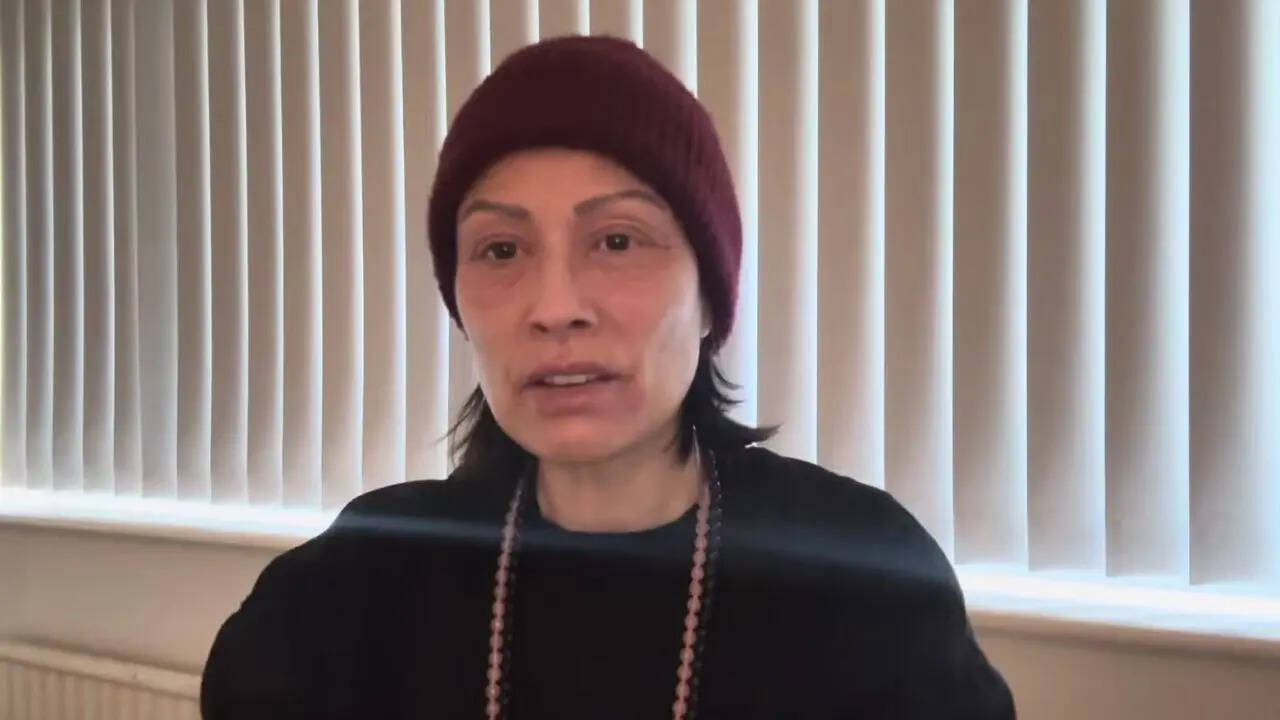
Melanie Sykes has shared an encouraging health update, revealing that she is experiencing what she describes as “Post-Traumatic Growth.” On Friday, the former television presenter, 55, spoke openly on Instagram about feeling “vibrating high” after what she called moving through deep trauma. Her comments come amid an ongoing struggle with an autoimmune condition that has caused widespread inflammation and left her almost two-thirds bald.Melanie Sykes Reveals She’s Living With ‘Post-Traumatic Growth’In her message, Sykes reflected on how difficult periods do not last forever and introduced the idea of post-traumatic growth to her followers. She explained that it is possible to live with PTSD while also experiencing growth at the same time. “I’m in both camps,” she said, adding that people can hold pain and progress together, as long as they take care of themselves, allow space for grief, process what has happened, and then move forward in ways that bring happiness and meaning.What Is ‘Post-Traumatic Growth’Post-Traumatic Growth, often referred to as PTG, describes the positive psychological change that can emerge after someone has faced severe stress or trauma. Rather than simply managing or surviving the experience, people may find new depth in how they see life, feel stronger connections with others, discover fresh possibilities, or undergo spiritual or existential shifts. According to the National Institute of Health, PTG is not about bouncing back to how life was before. Instead, it reflects a deeper transformation that can take a person beyond their pre-trauma sense of self.How Is Post Traumatic Growth Different From PTSD?Post-Traumatic Stress Disorder, or PTSD, is marked by ongoing distress following trauma, including intrusive thoughts, avoidance, heightened alertness, and emotional suffering. PTG, on the other hand, refers to the positive psychological changes that can arise after working through trauma, such as greater appreciation for life, stronger relationships, personal strength, and shifts in belief or purpose. As noted by the National Institute of Health, the key difference lies in the outcome. PTSD is considered a mental health disorder, while PTG is a process of meaning-making and growth. Importantly, the two can exist together, with some individuals experiencing distress and growth at the same time.At its core, PTSD reflects the painful impact of trauma, while post-traumatic growth represents the possibility of positive change that can develop through the long and often difficult path of healing, sometimes alongside or after living with PTSD.What Condition Is Melanie Sykes Going Through?Melanie lives with an autoimmune condition, a disorder in which the body’s immune system, meant to protect against infections, wrongly targets its own healthy cells, tissues, and organs. This immune response leads to inflammation and ongoing damage. Common autoimmune diseases include lupus, rheumatoid arthritis, and type 1 diabetes. Although there is no cure, treatment usually focuses on controlling symptoms such as fatigue, pain, and swelling and helping people manage the condition in daily life.