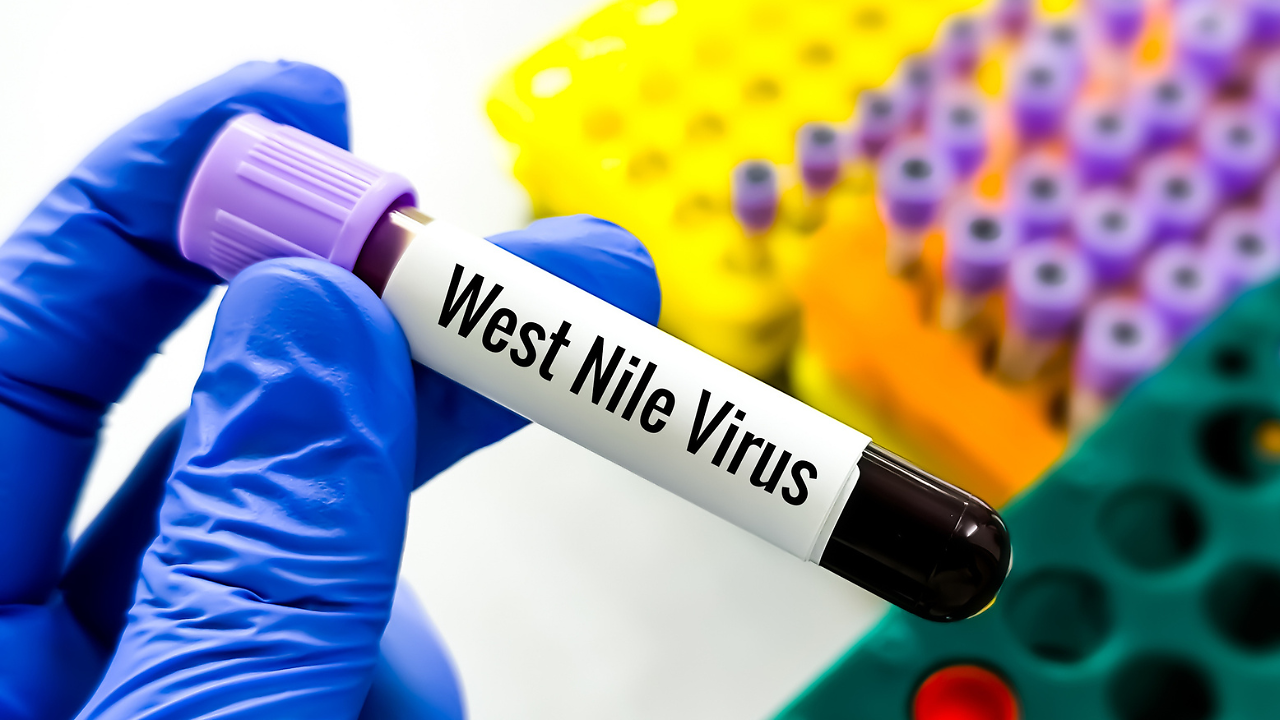
Two adults in central North Carolina have died after contracting West Nile virus, prompting health authorities to urge residents to take precautions against mosquito bites as cases continue to rise across the United States.The North Carolina Department of Health and Human Services confirmed the deaths on October 9, warning that senior citizens and people with underlying health conditions face a higher risk of developing severe illness from the virus.The US Centers for Disease Control and Prevention (CDC) has reported 11 human cases of West Nile virus in North Carolina this year. The state’s first human case of 2026 was identified in a Gaston County resident in August.Dr Cameron Wolfe, an infectious disease expert with Duke Health, told WRAL that people infected with the virus may not realise they have it. “If you get West Nile, you probably won't know it,” he said.Symptoms Of West Nile VirusAlso read: Google Released 3 Million Mosquitoes In Australia, Cutting Pests By 95%: Why US Is Considering It TooWest Nile virus circulates in the environment between mosquitoes, and the species is called Culex. It also circulates via birds. People become infected when the mosquitoes feed on infected birds and then bite people. The CDC says that people are dead-end hosts, because unlike birds, they do not develop high enough levels of virus in their bloodstream and cannot pass the virus on to other biting mosquitoes.The virus is rarely transmitted from person-to-person by blood transfusion, organ transplantation, and mother to baby, during pregnancy, delivery, or breastfeeding. Because the virus can be transmitted through blood and organ transplantation, persons who were recently diagnosed with West Nile virus infection should not donate blood or bone marrow for 120 days following infection.Symptoms can include fever, headache, body aches, joint pain, vomiting, diarrhoea and rash. In rare cases, the infection can become severe and affect the brain and nervous system, leading to encephalitis or meningitis.Encephalitis is the inflammation of the brain can cause confusion, altered consciousness, seizures and, in severe cases, coma.Meningitis is the inflammation of the membranes surrounding the brain and spinal cord can cause severe headaches, fever and neck stiffness.Acute flaccid paralysis, also one of the complications, occurs when the virus can damage nerve cells controlling muscles, causing sudden weakness or paralysis. In severe cases, respiratory muscles can be affected, leading to breathing failure.Older adults and people with conditions such as diabetes, high blood pressure, cancer or weakened immunity are at greater risk of developing severe disease.There is currently no vaccine to prevent West Nile virus infection in humans, and no antiviral treatment is available. Care for severe cases focuses on managing symptoms and complications.How To Prevent? Health officials continue to emphasize simple prevention measures as the best defense against WNV. These are:Using EPA-approved insect repellentsWearing long-sleeved shirts and pants outsideAdding screens on windows and doors to prevent mosquitoes from enteringEliminating standing water within homes, such as flowerpots, gutters, and bird bathsBy doing these, residents will be able to drastically lower their chances of infection, particularly when it comes to the active mosquito season.