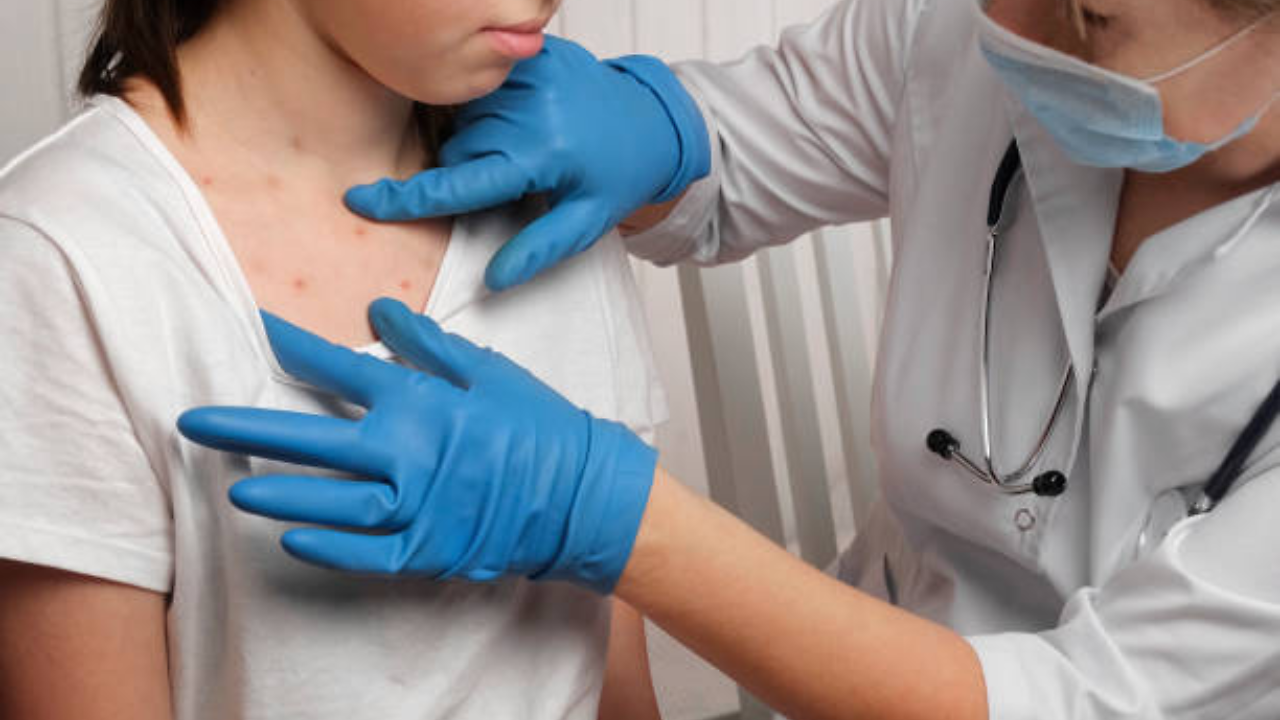
Six unvaccinated people, including children, have died from measles in the US this year. As of October 8, the country had reported 4,080 confirmed cases, according to the Centers for Disease Control and Prevention (CDC). Measles spreads easily through the air and can remain infectious for up to two hours. Symptoms include high fever, cough, runny nose, red, watery eyes, and a rash that typically starts on the face. Infected people can spread the virus before the rash appears. Two doses of the measles, mumps, and rubella (MMR) vaccine are approximately 97% effective against measles and remain the best protection against the disease and its complications. Measles Can Cause Complications Years Later Also read: Sixth Measles-Associated Death Reported In Pennsylvania As Cases Cross 1,100Measles also causes pneumonia, brain inflammation, and death. Some complications emerge weeks or years after the initial infection. Three serious consequences are acute disseminated encephalomyelitis (ADEM), immune amnesia, and subacute sclerosing panencephalitis (SSPE). According to the CDC, one to three out of every 1,000 children with measles die from respiratory and neurological complications. ADEM: When the Immune System Attacks the Brain An 18-year-old from Mifflin County, Pennsylvania, died from acute disseminated encephalomyelitis (ADEM), reported as the state's fourth measles-associated death this year. ADEM causes inflammation in the brain and spinal cord when the immune system mistakenly attacks nervous system tissue. It can develop weeks after infections such as measles or influenza. Symptoms include weakness, confusion, vision problems, and seizures. Severe cases can be fatal. ADEM occurs in approximately one out of every 1,000 measles cases. Treatment may include steroids, intravenous immunoglobulin, and plasma exchange. Most patients recover, but lasting problems can include motor weakness, cognitive impairment, seizures, and vision loss. In a 2022 study of 77 children with moderate to severe ADEM, nearly a quarter had persistent health issues. Immune Amnesia: Measles Can Erase Immune Memory Read More: Measles Cases Are Rising in US—Who Should Get A Booster Shot?Measles can destroy immune cells that remember previously encountered pathogens, weakening protection built through past infections and vaccinations. This is known as immune amnesia. “Immune amnesia basically destroys your immune system,” said Dr. Stephen J. Elledge, professor of genetics and medicine at Harvard Medical School. “It infects and kills the cells that store immune memories — plasma cells, B cells, and T cells. It’s like burning down a library full of immunological knowledge.” A 2019 study published in Science, co-authored by Elledge, found that measles could erase up to 73% of a person's antibody repertoire. This loss can leave people vulnerable to infections their immune systems had previously learned to fight. Research published in 2015 suggested that rebuilding immune protection can take two to three years. SSPE: A Fatal Disease That Can Emerge Years Later Subacute sclerosing panencephalitis (SSPE) is a rare, progressive neurological disease caused by a persistent measles virus infection in the central nervous system. SSPE is "the most enigmatic and terrifying consequence of measles", Andrew Pavia, MD, a pediatric infectious disease epidemiologist at the University of Utah, told CIDRAP News.Symptoms may appear seven to 10 years after measles, even in people who initially recover. Early signs include personality changes, mood swings, and headaches. The disease can progress to involuntary movements, seizures, vision loss, cognitive decline, coma, and death. There is no known cure, and SSPE is ultimately fatal. Infants Face a Higher SSPE Risk Children who contract measles during infancy face a particularly high risk of SSPE. The CDC estimated that seven to 11 out of every 100,000 people infected during the US measles resurgence of 1989–1991 were at risk of developing the disease. A 2016 review of California health records estimated that SSPE occurred in approximately one out of every 609 children who contracted measles before 12 months of age. A child in Los Angeles died of SSPE last year after contracting measles as an infant, before becoming eligible for the MMR vaccine. In the United States, the first dose is generally recommended at 12 to 15 months. With measles cases continuing to rise, Pavia warned that SSPE "is a potential time bomb."