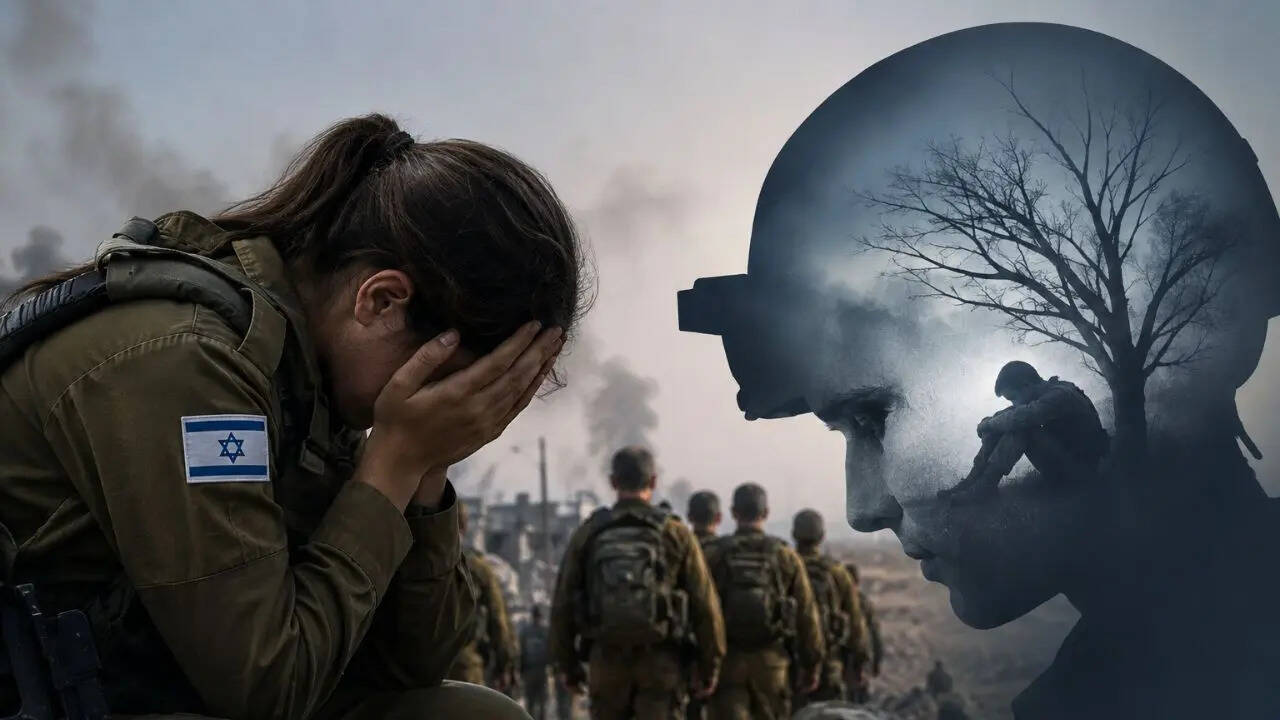
Israel’s military is facing an alarming mental health crisis as prolonged geopolitical conflict continues to take a psychological toll on its soldiers. Recently, two female Israeli soldiers died by suicide within days of each other, bringing the number of active-duty military suicides this year to at least 16, according to Israeli media. The deaths in the force have reignited concerns over whether the military personnel are receiving necessary trauma and mental health care The latest cases involved a combat soldier from the Bardelas Battalion and an intelligence officer. Military Police have launched investigations, while the Israel Defense Forces (IDF) has acknowledged the incidents, saying that the affected units are being supported in every way. Mental Health Crisis In Israel's Military Mental health experts say the crisis is caused by the burden of nearly three years of continuous military operations following the October 7, 2023 Hamas attacks. According to Israel’s Defence Ministry, cases of post-traumatic stress disorder (PTSD) among soldiers have increased by nearly 40% since 2023. Of more than 22,000 personnel receiving treatment for war-related injuries, around 60% are being treated primarily for psychological trauma. “Soldiers are grappling not only with fear for their own lives, but also with moral injury resulting from witnessing or participating in traumatic events,” clinical psychologist Ronen Sidi of Emek Medical Center told Reuters.Also read: Many US Veterans With Suicidal Thoughts May Not Be Receiving Mental Health Treatment, Study Finds What Is Moral Injury? Unlike PTSD, which is often linked to fear-based traumatic experiences, moral injury refers to when patients feel they have violated deeply held moral or ethical beliefs, or witnessed events that violate those values. Military psychologists say constant exposure to civilian casualties, loss of troops, and conflicting decisions on the battlefield can leave lasting emotional wounds that last for a long time. Ground RealityThe two recent suicides are not isolated incidents. Earlier this year, Israeli media reported that many soldiers on active duty had taken their own lives after returning from their deployments. Some reports also said that soldiers who were discharged are struggling with severe PTSD, depression and social isolation after leaving service. Researchers say many continue to battle mental health issues long after their duty ends. Veterans’ organisations have increasingly called for comprehensive and effective rehabilitation services, saying that untreated trauma may surface months or even years after military service ends.Also read: US Government Backs Psychedelic Therapies Research For Veterans With PTSD and Depression Are Mental Health Support Systems Enough? The Israeli Defence Ministry says it has expanded mental health services, funding and introduced alternative therapies to improve mental health recovery for soldiers who are struggling. However, some recent reports have questioned whether those services are reaching troops quickly enough. Critics have pointed to shortages of field psychologists, cancelled mental health support days and unsuccessful recognition of warning signs. Mental health specialists also say that stigma remains another barrier. Despite growing awareness, many soldiers hesitate to seek help because they believe that doing so could affect their careers or be viewed as a sign of weakness. For Israel, the growing number of soldier suicides is becoming a stark reminder that the cost of war is measured not only in physical casualties, but also in the invisible wounds that reflect through mental health issues.