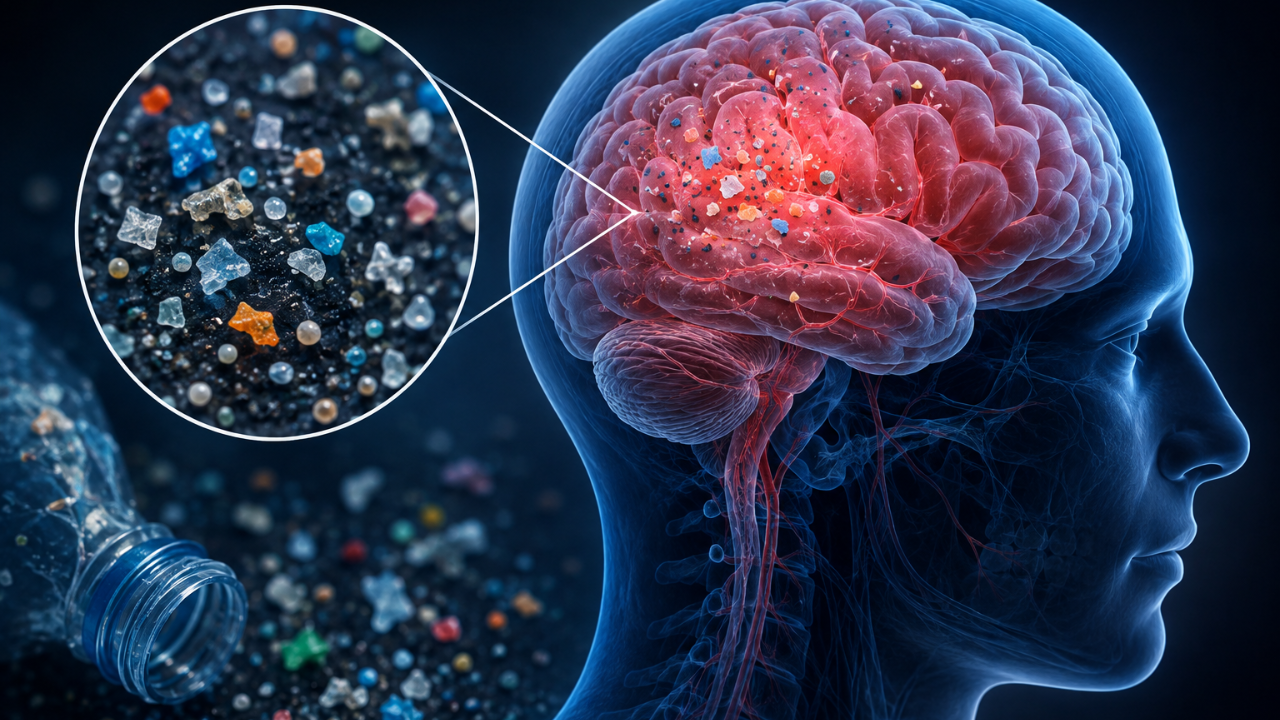
Tiny plastic particles may be making their way into one of the body's most protected organs, the brain, according to new research. This has raised concerns about the long-term health effects of microplastic exposure, particularly on brain health. In a study published in Nature Medicine, researchers found that microplastics and nanoplastics were present in brain tissue, with significantly higher concentrations than in liver and kidneys. One of the most important findings is that these particles can cross the blood-brain barrier, a protective shield that normally blocks harmful substances from entering the brain. The researchers analysed brain tissue samples collected over several years and observed that they contained seven to 30 times more plastic particles than other organs. They also found an increase in brain plastic concentrations in more recent samples, reflecting the growing burden of plastic pollution worldwide in the last few years. "Our data suggest a trend of increasing concentrations of micro- and nanoplastics in the brain," the study authors wrote. They stressed that the findings do not prove these particles cause disease. Could Microplastic Exposure Increase Dementia Risk? The researchers also reported higher concentrations of plastic particles in brain tissue from people diagnosed with dementia. However, they cautioned that the study only identified an association and cannot determine whether microplastics contribute to dementia or whether brains diseased with dementia simply accumulate more particles. Scientists are still trying to understand how these particles do harm once they reach the brain. Proposed theories include triggering inflammation, disrupting communication between nerve cells, or affecting blood flow, but none have yet been confirmed in humans.Also read: Risks Of Plastic Pollution: Study Finds Microplastics In Heart Arteries Can Cause Severe Heart Attacks How Can Microplastics Get Into The Brain? Microplastics are plastic fragments smaller than 5 millimetres, while nanoplastics are even tinier. People are exposed to these tiny plastic particles through contaminated food, drinking water, air, household dust and plastic packaging. Since nanoplastics are extremely small, researchers believe some may pass through the blood-brain barrier and become trapped in brain tissue. The study found polyethylene, commonly used in food packaging and plastic bottles, was the most abundant type detected in the brain tissue. Scientists emphasise that it is too early to conclude that microplastics directly damage the human brain. "The findings are concerning, but they should not be interpreted as proof that microplastics cause neurological disease," the researchers emphasised. More studies are needed to determine whether the particles themselves are harmful or simply markers of environmental exposure.Also read: Dementia Progression Observed To Slow Down When You Do This Exercise 3 Times A Week How To Reduce Exposure To Microplastics? While eliminating exposure entirely is nearly impossible, experts recommend practical steps that may lower intake: Avoid heating food in plastic containers.Choose glass or stainless steel for food and water storage when possible.Reduce consumption of heavily packaged and ultra-processed foods.Improve indoor ventilation and reduce household dust, another potential source of airborne microplastics. The study adds to mounting evidence that microplastics are no longer just an environmental issue. They are increasingly being detected throughout the human body, including the blood, lungs, placenta and now the brain.