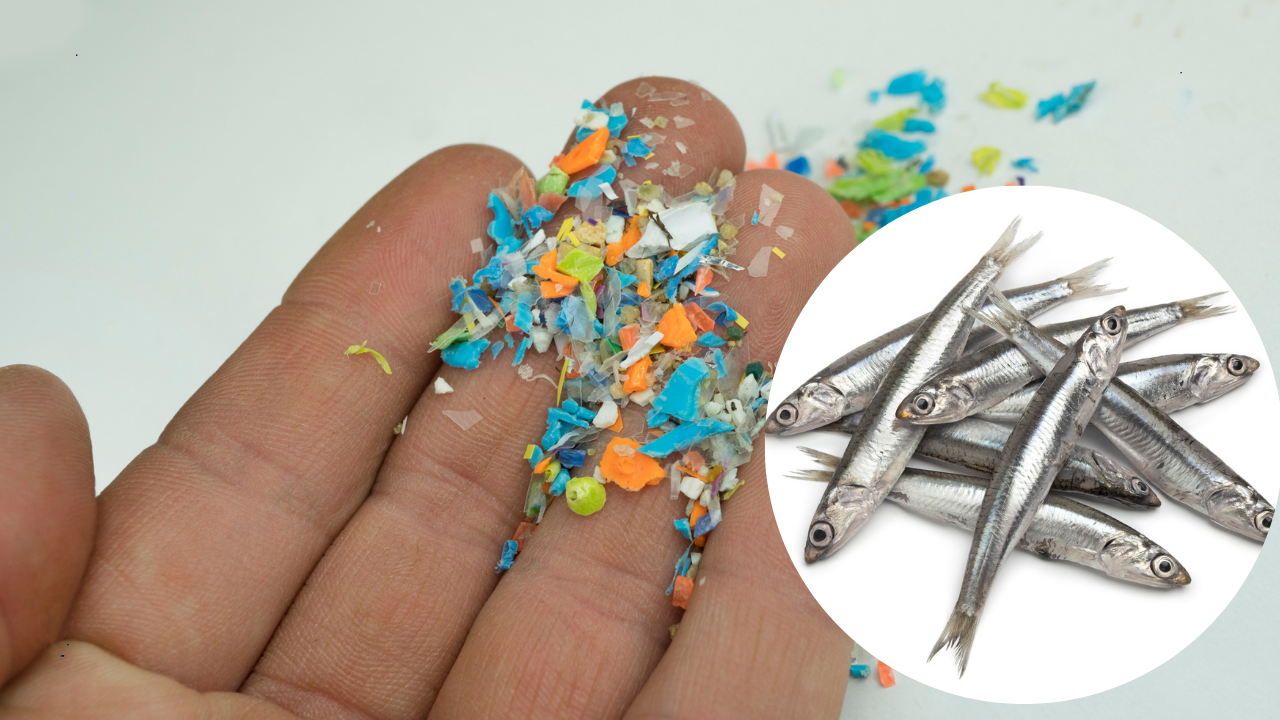
Anchovies are tiny fish packed with major health benefits, including high amounts of heart-healthy omega-3 fatty acids (EPA and DHA), lean protein, selenium, niacin, iron and calcium. However, a new study by Andhra University researchers detected microplastics in the edible muscle tissue of anchovies, which form a significant part of the local seafood chain.The finding, published in the International Journal of Environmental Sciences, raises concerns about potential exposure to microplastics and their possible impact on cognitive function.While the detection of microplastics in muscle tissue suggests the particles may move beyond the digestive system and potentially expose humans through contaminated seafood, researchers led by Prof C Manjulatha from the Department of Zoology and Gondu Chandrika from the Department of Environmental Sciences stressed the need for further assessment.Where Were Microplastics Found?Microplastic particles were found in the gastrointestinal tracts, gills and muscle tissue of fish collected from Visakhapatnam’s Vizag harbor.The gastrointestinal tract had the highest concentration, followed by the gills and muscle tissue, according to Times of India.Plastic fibers accounted for nearly 80% of the detected particles, followed by fragments and foam.Most particles measured between 0.5 mm and 4.5 mm.The researchers identified particles in different colors, with red and blue among the prominent ones.FTIR spectroscopy identified polymers including polyamide, PET, polyester, polyethylene, polyacrylate and polypropylene.Polyamide and PET were among the dominant polymers, pointing to multiple possible sources of contamination, such as synthetic fibers, plastic waste and fishing-related materials.“These findings emphasize the need for proper disposal and treatment of plastic waste,” the researchers said.What Does This Mean For Brain Health?Microplastics are small pieces of plastic, ranging from one nanometer to five millimeters — a fraction of the width of a human hair to about the size of a grain of rice. These have now been detected in human blood, placenta, liver, kidneys and the brain. The study also prompted questions about whether consuming microplastics could have implications for brain health.In a post on X, Dr Sudhir Kumar, Neurologist at Apollo Hospitals, Hyderabad, explained that although the gastrointestinal tract had the highest load, muscle contamination is what reaches your plate.“Microplastics tend to accumulate in fat-rich tissue like the brain's myelin sheath, the insulation around neurons. Animal studies show microplastic exposure can trigger oxidative stress and inflammation that disrupt neurotransmission and impair cognition. Human data is still emerging, but the biological plausibility is real,” Dr Sudhir said.He stressed that it “is a concerning signal, not yet a confirmed verdict”.Can Microplastics End Up On Our Plates?“Plastic pollution entering the sea fragments into particles small enough for marine life to absorb; fish take it up through feeding, we take it up by eating the fish. The Vizag study flags exactly this: sewage discharge, urban runoff, and fishing waste feeding this cycle,” the expert said.How To Stay Safe The expert advised people to:Vary protein sources.Don't rely on one fish species or source daily.Reduce synthetic fibre shedding and use a laundry filter bag.Avoid heating food in plastic containers.Support better waste treatment, as it is fundamentally a pollution problem, not just a diet one.