
- Health Conditions A-Z
- Health & Wellness
- Nutrition
- Fitness
- Health News
- Ayurveda
- Videos
- Medicine A-Z
- Parenting
New COVID Variant XFG Surfaces in India with 163 Confirmed Cases

Credits: Canva
As per the latest data from the Union Health Ministry, India has crossed the 6,000 mark for total COVID-19 cases. 796 new cases were also reported in more than last 48 hours. As per the Indian SARS-CoV-2 Genomics Consortium (INSACOG), among these cases, 163 are from the newly emerging COVID-19 variant XFG.
What Is The XFG Variant?
As per a June 2025 Lancet Report, the recombinant XFG variant originates from LF.7 and LP.8.1.2 and harbours four key spike mutations including His445Arg, Asn487Asp, Gln493Glu, and Thr572Ile and has achieved rapid global spread following its initial detection in Canada.
The Lancet study also reveals that it is a descendant of the Omicron subvariant of the Coronavirus.
The XFG variant also displays “strong immune evasion,” which allows the virus to survive and spread as it manages to evade the body’s natural defences.
As of now, the new variant has been detected in Maharashtra, Tamil Nadu, Kerala, Gujarat, Andhra Pradesh, Madhya Pradesh, and West Bengal.
Who Could Be The Worst Affected?
Several groups in India face a higher risk during spikes in respiratory infections. These include older adults, people with underlying conditions such as heart disease, lung disorders, diabetes, high blood pressure, or obesity, as well as those with weakened immune systems like cancer patients and transplant recipients. Pregnant women, due to physiological changes, and children under five—particularly those who are unvaccinated—are also more vulnerable.
Health experts recommend that individuals in these categories take extra precautions: wear masks in public places, avoid crowded settings, stay indoors when possible, and maintain regular hand hygiene.
What Is The Plan Of Action?
Hospitals have been instructed to follow the updated ABC Guidelines 03, released in June 2023, for managing patients showing symptoms of COVID-19 or influenza. Anyone with signs of ILI (Influenza-Like Illness), ARI (Acute Respiratory Infection), or SARI (Severe Acute Respiratory Infection) must be tested. If a Rapid Antigen Test is negative, an RT-PCR test is mandatory. The health department has also directed that district RT-PCR testing facilities be used to their full capacity.
Though the preventive measures are not new, their importance has been renewed. Respiratory viruses often follow seasonal patterns, bringing repeated waves of infection. People with symptoms—or those at high risk—are strongly advised to avoid crowded, closed, and poorly ventilated spaces such as public transport, offices, malls, and theatres, particularly if not wearing a mask. While rapid testing is easily accessible in cities, limited access in rural areas highlights the need for wider distribution.
What Is Happening Globally?
On May 28, 2025, the World Health Organization (WHO) reported a global rise in SARS-CoV-2 activity, based on data from its Global Influenza Surveillance and Response System. Since mid-February, test positivity rates have been climbing steadily, reaching 11 per cent—levels last seen in July 2024.
The surge is most noticeable in the Eastern Mediterranean, Southeast Asia, and Western Pacific regions, driven by emerging subvariants such as LF.7, XFG, JN.1, and NB.1.8.1. Among these, NB.1.8.1 has drawn special attention and has been classified by WHO as a Variant Under Monitoring (VUM). By late April, 518 sequences of NB.1.8.1 had been reported from 22 countries, making up 10.7 per cent of global submissions.
While NB.1.8.1 appears to spread more easily, current evidence shows no increase in disease severity. Reported symptoms remain familiar—sore throat, fever with chills, nasal congestion, fatigue, and headache.
Diabetic Men Using Weight Loss Drugs May Develop Erectile Dysfunction: Study

Type-2 diabetes patients who are also obese rely upon GLP-1 drugs for sugar management and weight loss. (Photo credit: iStock)
A 2026 target trial emulation has found that glucagon-like peptide, also known as GLP-1, which is used by type-2 diabetes patients, can raise the risk of suffering from erectile dysfunction. According to a report published in the European Medical Journal, the impact of GLP-1s on sexual health outcomes in diabetic men has been inconsistent and limited. Erectile dysfunction, however, has been a prominent complication affecting 50 per cent of men with type-2 diabetes over their lifetime.
The effect of GLP-1 on men with type-2 diabetes
For this, researchers analysed the electronic health records of men aged 18 years and above with type-2 diabetes in the US from January 2019 to September 2024. Participants were started on treatment with either dipeptidyl peptidase-4 inhibitors (DPP4i) or GLP-1, with 5,524 and 4,910 individuals, respectively. Men with a history of erectile dysfunction diagnosis or end-stage renal disease were not part of the study population. The mean age of these men was 63 years, and the average BMI was 32.8—55 per cent of participants were White, and 23 per cent were Black. GLP-1 users were younger and had a higher prevalence of obesity compared to DPP4i users.
Higher rate of erectile dysfunction
Experts involved in the study found that the incidence of erectile dysfunction in the GLP-1 group was about 35 cases per 1,000 person-years. In the case of DPP4i users, the number dropped to 28 per 1,000 person-years. Hence, people in the GLP-1 cohort had a 26 per cent higher risk of developing erectile dysfunction over a three-year follow-up period. Results were consistent across subgroups; however, they lacked statistical significance after adjustment for negative outcomes.
Can GLP-1 cause erectile dysfunction?
Researchers noted that the findings of the target trial emulation suggest that sexual health outcomes must be considered in diabetic men, especially those dealing with type-2 diabetes and undergoing treatment with GLP-1 drugs. These findings also highlight the need for randomised trials with standardised erectile dysfunction assessments to further investigate biological pathways.
What complications does type-2 diabetes cause in men?
Type-2 diabetes can cause the following complications in men:
- Heart disease
- Stroke
- Erectile dysfunction
- Kidney disease
- Retrograde ejaculation
- Lower testosterone levels
- Urinary retention or frequent urination
- Vision loss—diabetic retinopathy
Breast Cancer Screening: AI May Predict Tumours Before Mammograms Can Detect Them
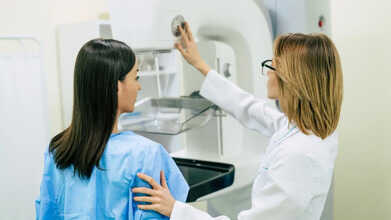
Modern guidelines recommend women undergo breast cancer risk assessment at 35 years itself. (Photo credit: iStock)
New global guidelines have just been released for breast cancer screening, and they involve the introduction of artificial intelligence in the process. Breast cancer is one of the most commonly diagnosed forms of tumour in women globally. In India, it is the most common form of cancer detected in women living in metro cities. According to the National Comprehensive Cancer Network (NCCN), a non-profit alliance of 33 cancer treatment centres in the US, women aged 35 years and above should be eligible for AI-powered mammogram risk assessment rather than at a later stage.
Why is timely prediction of cancer risk important?
The NCCN aims to boost the diagnosis rates of breast cancer by paving the way for accurate predictions of risks. This will, over time, help achieve timely screening. As per experts, this change in global breast cancer screening guidelines, especially the integration of AI in the process, marks a paradigm shift—from a detection-first to a prediction-first approach. Historically, mammograms were used after the age of 40 for the detection of existing cancers. The modern guidelines, however, recommend that women get screened from the age of 35 onwards, with AI algorithms used to predict future risks.
What this means for India
Experts say that this shift is important for India. In India, breast cancer is the most prevalent form of tumour among women, and delayed diagnosis is one of the reasons responsible for the current mortality rate. Breast cancer is also often diagnosed late because of the unavailability and limited accessibility of screening facilities. Introducing AI in this process can help bridge the gap in several ways.
Doctors say that the introduction of AI in the breast cancer screening process will help facilitate the identification of high-risk patients, regardless of their family history or the presence of genetic markers. This is important because most cases of breast cancer do not arise from these factors. This helps provide screening in a way that does not require universal testing.
Traditional screening methods for breast cancer
Traditionally, cancer screening largely depends on family history and age. AI, however, can now analyse large volumes of imaging data, clinical history, breast density, and genetic factors for a more personalised approach and targeted diagnostic methods. The adoption of AI-driven risk assessment can help improve patient outcomes, as per doctors.
Use of AI in breast cancer detection
Women at high risk of breast cancer can make detection easier for themselves by making use of advanced modalities such as MRI. An MIT-developed AI-based breast cancer risk model can detect tumours up to five years in advance using mammographic data alone. This AI-based risk assessment technique has also been recommended by global experts and is published in The Lancet. The study found consistent favourable outcomes.
Heatwave In India: Govt Issues Advisory, Doctors Stress Hydration
Credit: Canva
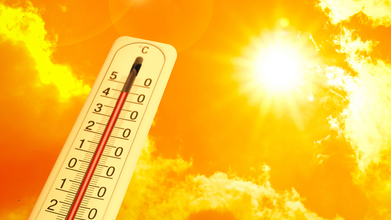
Rising global temperatures are driving heatwave conditions in India, said the Indian government, while releasing an advisory to warn people about the increased health risks.
Taking to the social media platform X, the Ministry of Health and Family Welfare urged the public to take precautions during extreme heat.
"Heat waves are increasing due to rising global temperatures," said the Ministry in the advisory.
It shared safety measures and an informative poster explaining the impact of rising temperatures and steps to manage heat stroke.
The poster highlighted that a rise of 1 degree Celsius in global temperatures can lead to longer durations of heatwaves.
Further, it stated that insufficient hydration during heatwaves reduces the body's natural ability to cool itself, which can result in heat stroke.
The poster also detailed preventive measures to avoid heat stroke. It also advised people to avoid heavy work during mid-noon hours, drink plenty of water, avoid consuming heavily caffeinated or sugary drinks as they may cause dehydration, wear light-colored clothes, and take frequent breaks while working outdoors.
Which States Are At Risk?
The India Meteorological Department (IMD) has warned of heatwave conditions in several parts of the country.
Regions likely to face extreme heatwave conditions until April 20 include Telangana and Rayalaseema, Madhya Maharashtra and Marathwada, North Interior Karnataka, Madhya Pradesh, Chhattisgarh, Vidarbha, Odisha, Jharkhand, and West Rajasthan.
In addition, hot and humid weather conditions are expected in coastal regions such as Kerala, Tamil Nadu, Gujarat, and Coastal Andhra Pradesh.
Meanwhile, the national capital saw its hottest day of the year on Wednesday, as temperatures climbed sharply, signaling the onset of harsher summer conditions. According to IMD, the maximum temperature at Safdarjung, the city’s base station, touched 39.2 degrees Celsius, about 3 degrees above normal. This surpassed Tuesday’s 38.2 degrees Celsius, marking a noticeable upward trend.
While the mercury is expected to inch closer to 42 degrees Celsius by Friday, the weather office has ruled out heatwave conditions for at least the next week.
“A gradual rise is expected in maximum temperatures by 2-3 degrees during the next three days and fall by 1-2 degrees thereafter. The maximum temperatures are likely to be above normal to appreciably above normal during the next seven days," Times Of India quoted a Met official as saying.
As per the weather department, despite a slight chance of light rain in parts of Haryana and NCR on April 17 and 18, there is no relief expected for Delhi.
Forecasts suggest daytime temperatures will hover between 39 degrees Celsius and 41 degrees Celsius on Thursday, rising further to 40-42 degrees Celsius from Friday through Sunday.
The IMD has cautioned that such above-normal temperatures could pose moderate health risks, especially for infants, elderly individuals, and those with chronic illnesses.
Hydration Is key, Say Doctors
Dr. Anil Gomber, Director and Senior Consultant – Internal Medicine & Diabetologist, Yatharth Hospital, told HealthandMe: “It is crucial to take preventive measures to avoid heat-related illnesses".
Prolonged exposure to high temperatures can lead to dehydration, heat exhaustion, and heatstroke, which can be fatal if untreated.
Heat also places extra strain on the heart and lungs, increasing the risk of heart attacks and respiratory distress.
Heatwaves can increase the risk of deaths among the elderly and those with underlying medical conditions. It can also affect healthy and young people. Exposure to intense heat can cause headaches, dizziness, cramps, and fainting, particularly for those working outdoors or engaging in strenuous activity.
"Elderly people, kids, and those with chronic conditions like heart disease or diabetes face higher risks, so check on neighbors and family daily," Dr. Meenakshi Jain Principal Director & HOD Internal Medicine, Max Super Speciality Hospital, told HealthandMe.
She urged people to "watch for warning signs like dizziness, rapid heartbeat, nausea, or confusion, and move to a cool area immediately if they appear—seek medical help for severe symptoms. Keep homes cooler by closing curtains during the day and opening windows at night".
How To Stay Safe
To stay safe from heatwave, individuals must:- Stay well-hydrated by drinking plenty of water
- Avoid caffeine
- Avoid stepping out during peak afternoon hours
- Wear light, loose, and breathable clothing,
- Use protective gear like caps or umbrellas when outdoors
- Avoid excessive physical activity in the sun.
- Never leave children or elderly individuals in parked vehicles. Include fruits and fluids in your diet to maintain electrolyte balance.
- If you experience dizziness, headache, or fatigue, seek medical attention promptly, as early care can prevent serious complications.
- Follow Us :


© 2024 Bennett, Coleman & Company Limited