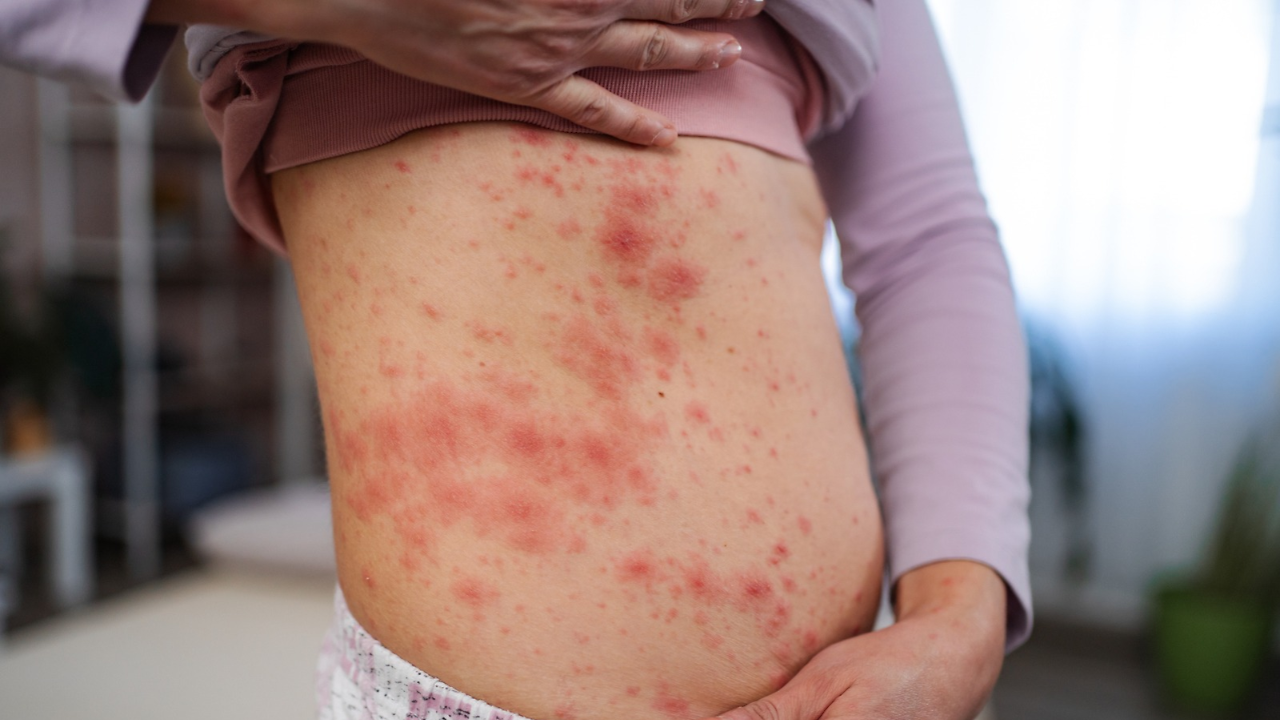
A child recently died in Lewis County amid an ongoing measles outbreak, marking New York state's first measles-related death in more than 30 years. The New York State Department of Health and Lewis County Public Health confirmed the death in a joint statement on November 2.Officials did not release more information about the child or the circumstances surrounding the death to protect the family's privacy.The death comes as measles cases continue to rise across the United States. New York had recorded 178 cases in 2026 as of October 24, including eight in New York City, according to health officials.Last month, Governor Kathy Hochul declared a state disaster emergency. The order gave registered nurses the authority to order specimen collection and testing for measles cases.US Reports More Than 4,800 Measles Cases In 2026Also read: EXCLUSIVE: Ex-CDC Vaccine Advisor Says Measles Outbreak Bigger Than Reported, Slams RFK Jr’s ‘No-See Evil’ ApproachThe outbreak in New York is part of a wider resurgence of measles across the country. The US Centers for Disease Control and Prevention (CDC) reported 4,852 confirmed cases as of October 29, 2026, the highest annual total since 1991.In an exclusive interview with HealthandMe, Dr Paul Offit, paediatrician and director of the Vaccine Education Center at Children’s Hospital of Philadelphia and former member of the CDC’s Advisory Committee on Immunization Practices, said that the reported number of measles cases in the US could underestimate the actual scale of transmission. “You can assume that's off by a factor of at least five."The CDC said 96% of confirmed cases this year were linked to outbreaks. It has also reported that at least 96% of cases have occurred among people who were unvaccinated.Declining vaccination coverage has contributed to the growing measles transmission. During the 2025-2026 school year, 92.4% of US kindergarteners had received the measles, mumps and rubella (MMR) vaccine, below the 95% coverage level generally needed to maintain community protection.When Can Measles Become Life-Threatening?Also read: 'It’s The Best-Studied Vaccine In Human History': Former CDC Adviser Busts Common Myths About COVID VaccinesMeasles is a highly contagious viral infection that spreads through the air when an infected person coughs or sneezes. The virus can remain infectious in the air for up to two hours after an infected person has left a space.Early symptoms include high fever, cough, runny nose and red, watery eyes. Small white spots called Koplik spots may appear inside the mouth, followed by a rash that begins on the face and spreads down the body.While many people recover, measles can cause serious complications, including pneumonia and encephalitis, or inflammation of the brain. These complications can lead to hospitalisation and, in some cases, death. Young children, pregnant women and people with weakened immune systems are vulnerable to the illness. MMR Vaccine Is The Best Protection Against MeaslesThe CDC recommends two doses of the MMR vaccine. The first is given between 12 and 15 months of age, while the second is recommended between four and six years.One dose is approximately 93% effective against measles infection, while two doses are about 97% effective, according to the CDC.Infants aged six to 11 months who live in or are travelling to areas with a high risk of measles exposure may be advised to receive an early dose. However, this dose does not replace the two routine doses recommended after the child's first birthday..