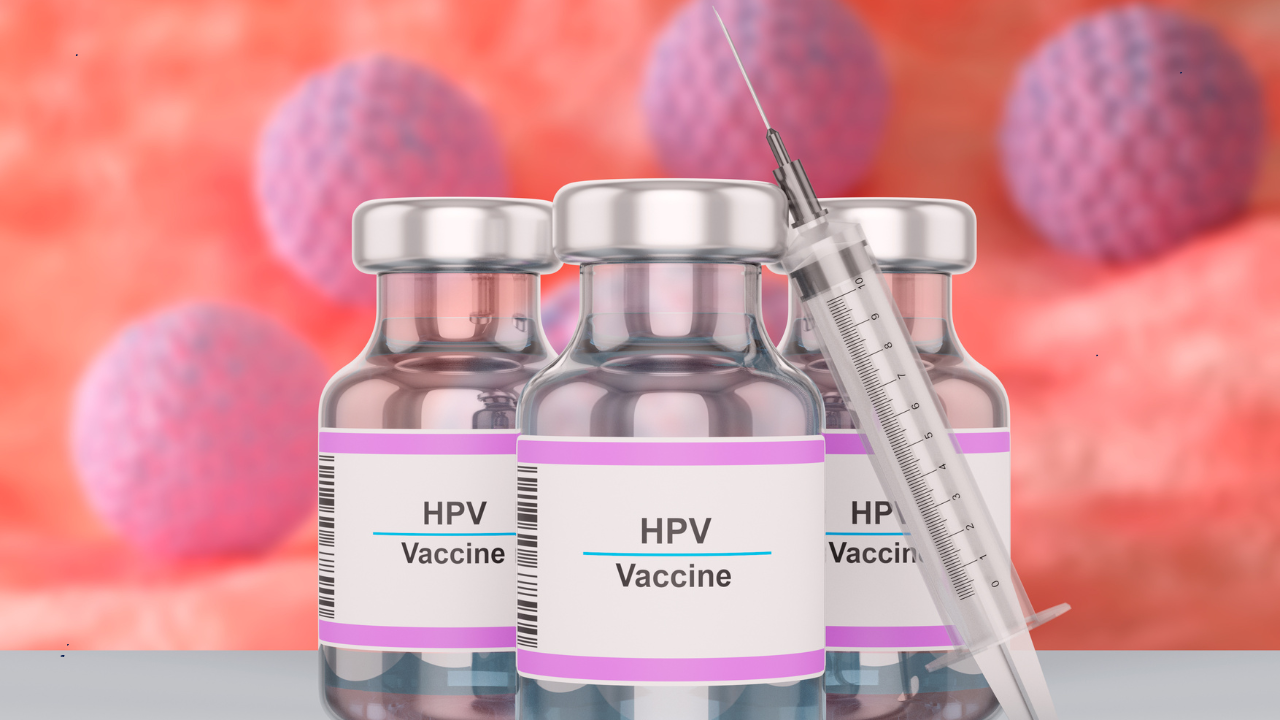
The UK's human papillomavirus (HPV) vaccination program, initiated in 2018, has achieved a remarkable milestone: no women aged 20 to 24 died from cervical cancer in England between 2020 and 2024, according to a study published in the journal The Lancet.England introduced the HPV vaccine for girls in 2008 and expanded the program to boys in 2019. By 2024, vaccine coverage among women aged 20-24 had reached nearly 90 per cent.Researchers found that there were no cervical cancer deaths in this age group during the five-year period, compared with an estimated 23 deaths that would have been expected based on historical trends.The study also estimated that HPV vaccination has prevented approximately 200 cervical cancer deaths among young women in England since the program began."It's amazing news that no women aged between 20 and 24 died from cervical cancer in the whole of England between 2020 and 2024," said Peter Sasieni, Professor of Cancer Epidemiology at Queen Mary University of London."That remarkable fact is thanks to nearly 90% of Gen Z women having received the HPV vaccine through the school vaccination and catch-up programs," he added.This marks the first time that zero cervical cancer deaths have been recorded in this age group and provides compelling evidence of the vaccine's life-saving impact.Children Vaccinated At 12-13 Had Near-Zero RiskRead More: HPV Vaccine Can Help Curb Rising Head And Neck Cancers, Says Top US DoctorThe study found that girls vaccinated at ages 12-13 had an almost zero risk of dying from cervical cancer before the age of 30, highlighting the success of the school-based vaccination program.While several countries have reported declines in cervical cancer rates following HPV vaccination campaigns, evidence linking vaccination programs directly to reductions in cervical cancer deaths has been limited."This is the first national-level evidence, albeit observational, linking high HPV vaccination coverage to a major reduction in cervical cancer deaths," the researchers noted.How The Study Was ConductedResearchers analyzed HPV vaccination rates and cervical cancer mortality data among women in England between 2001 and 2024.In addition to recording zero cervical cancer deaths among women aged 20-24 between 2020 and 2024, the study found an 80 per cent reduction in cervical cancer deaths in the same age group between 2015 and 2019.The findings underscore the importance of achieving high vaccination coverage against a disease that remains one of the leading causes of cancer-related deaths among younger women worldwide."We estimate that since its introduction, HPV vaccination has prevented nearly 200 young women from dying from cervical cancer in England," said Sasieni."But that's just the tip of the iceberg. As vaccinated generations grow older, we'll see many more lives saved from cervical cancer. It is incredible to think that a single jab can almost eliminate a particular type of cancer."What Is HPV? How A vaccine helps?Also read: Affordable India-Made HPV Test Offers Hope For Early Cervical Cancer DetectionThe human papillomavirus (HPV) is the most common viral infection worldwide, with more than 200 known types. While some types lead to benign skin warts, others are responsible for severe health threats, such as cervical, throat, anal, and penile cancers. The HPV vaccine provides strong protection against the most lethal strains, avoiding long-term health complications.The HPV vaccine helps the immune system recognize and fight off high-risk strains of the virus before they cause harm. It protects against:Genital wartsCervical cancerVaginal, vulvar, anal, and penile cancersMouth, throat, head, and neck cancers linked to HPV.