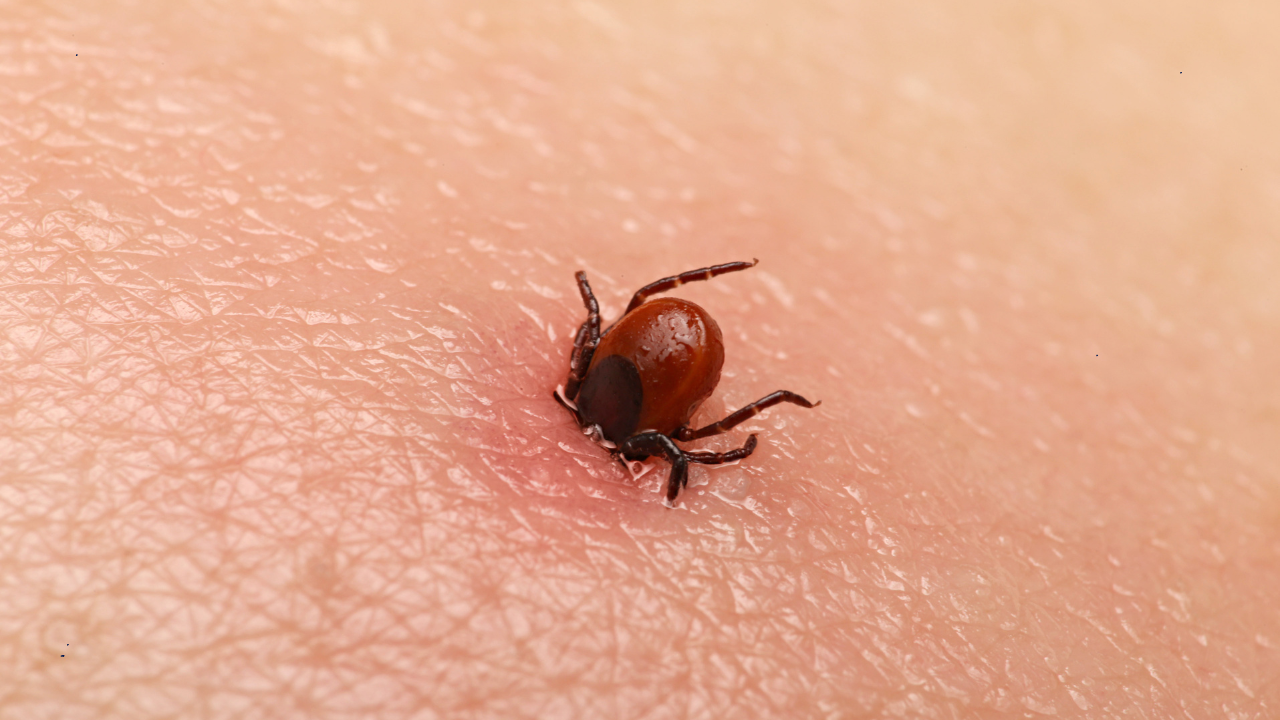
The United States is witnessing a rise in cases of Powassan virus disease, a rare but potentially deadly illness transmitted through tick bites. Unlike many other tick-borne diseases, Powassan virus can be transmitted within 15 minutes of a tick attaching to the skin, making prevention and awareness especially important.According to the US Centers for Disease Control and Prevention (CDC), tick exposure can occur throughout the year, although ticks are most active during the warmer months between April and September.Emergency physician Dr. Rick Pescatore recently highlighted the growing threat in a TikTok video post, warning that many people remain unaware of the virus despite its severe health consequences."There's a new and deadly tick virus that's spreading across the United States, and you probably haven't heard about it," he said.Pescatore emphasized the seriousness of the infection, noting that "about one in 10 people with severe disease die, while around half of survivors may experience permanent neurological damage". He also claimed that reported cases have increased steadily over the past decade.Several state health departments have urged residents to take precautions after reporting cases of the rare disease.In one recent case, a 66-year-old man from New Hampshire was hospitalized for several weeks after contracting the virus. After initially being admitted to Concord Hospital, he was later transferred to Massachusetts General Hospital for specialized care.What Is Powassan Virus?Also read: Taking Duloxetine? US FDA Warns of Cancer-Causing Impurity in AntidepressantThe Powassan virus is named after the town of Powassan in Ontario, Canada, where it was first identified in 1958. It belongs to the flavivirus family, which also includes viruses that cause Zika, dengue, and West Nile fever.The virus is primarily spread by the black-legged tick (Ixodes scapularis), also known as the deer tick, which is also responsible for transmitting Lyme disease.However, unlike Lyme disease—which generally requires a tick to remain attached for more than 24 hours before transmission—Powassan virus can be transmitted in as little as 15 minutes, according to the Massachusetts Department of Public Health.Symptoms of Powassan Virus InfectionRead More: South Korea Achieves 62% Blood Pressure Control Rate: What Other Countries Can LearnSymptoms typically develop between seven and 30 days after a tick bite and may include:FeverHeadacheVomitingWeaknessConfusionLoss of coordinationSeizuresDifficulty speaking In severe cases, the Powassan virus can cause encephalitis (inflammation of the brain) or myelitis (inflammation of the spinal cord).These complications can lead to long-term neurological damage. According to Yale Medicine, approximately 10 per cent of severe cases are fatal, while nearly 50 per cent of survivors experience lasting neurological problems.No Vaccine or Treatment Available One of the most concerning aspects of the Powassan virus is that there is currently no vaccine or antiviral treatment available.Unlike Lyme disease, which can be treated with antibiotics, Powassan virus has no specific cure. Medical care focuses on managing symptoms and supporting patients with severe disease.As a result, prevention remains the most effective defense against infection.How to Prevent Tick BitesThe CDC and the National Institutes of Health (NIH) recommend the following measures to reduce the risk of tick bites:Wear long-sleeved shirts and long pants when outdoorsChoose light-colored clothing to make ticks easier to spotTuck pants into socks or seal gaps in clothingUse insect repellents containing DEET, picaridin, or permethrinStay in the center of hiking trails and avoid brushing against vegetationCheck your body, clothing, pets, and outdoor gear for ticks after spending time outsideShower and wash clothing in hot water soon after returning indoorsIf you find a tick attached to your skin, remove it promptly using fine-tipped tweezers.