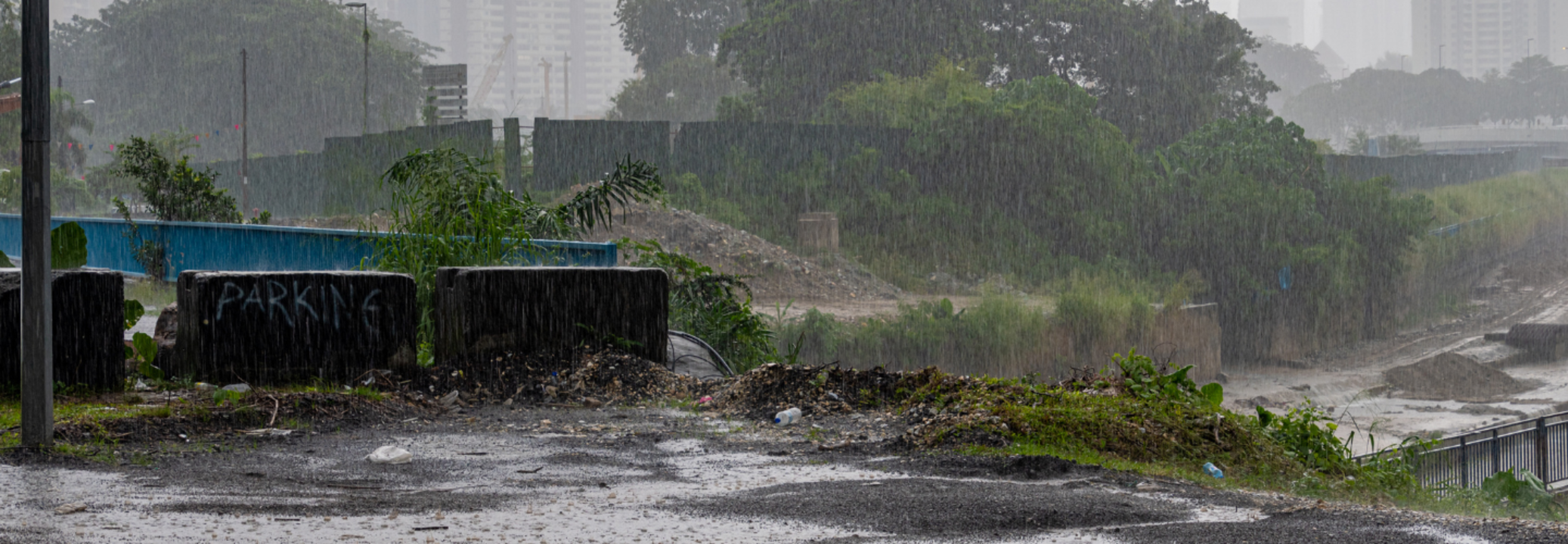
Odisha's coastal districts of Bhadrak, Balasore, and Kendrapada were affected by Cyclone Dana, which has caused widespread flooding and displacement. In the aftermath of this natural disaster, the state's health department is racing against time to prevent the outbreak of waterborne diseases and other health-related issues. The severe weather conditions have created a breeding ground for waterborne illnesses, posing a significant threat to public health. There have been new guidelines for the same and people have been made aware of it. Due to the influence of cyclone dana, many places got heavy rainfall on Friday and Saturday, causing flood like situations in many villages. Not only does that increase the chances of health-related issues like snakebite, fevers or worm infections, but it also creates a lot of inconvenience for people who must cross these water ridden areas to get to work and get supplies for their homes. What Actions Have Been Taken?In the wake of Cyclone Dana, many villages experienced heavy rainfall and flooding. To address potential health risks, the Odisha Health Department has implemented several precautionary measures. For people of the affected areas aid has been sent, Mobile health teams, comprising medical officers and paramedics, are being deployed to affected areas to provide immediate medical assistance. They have been sent adequate supplies of essential medicines, logistics, and disinfectants that have been distributed to the affected regions. These things will allow people who have been affected by the rain to get the assistance they need before their condition gets worse. Health workers are actively disinfecting water sources and distributing halogen tablets to ensure safe drinking water. Water quality analysis is being conducted to prevent waterborne diseases and make sure that proper supply of water is being given to people, making sure their condition does not get worse.What Role Does The Health Team Play?Surveillance teams are closely monitoring the health status of affected populations, focusing on potential outbreaks of diseases like diarrhea, dysentery, fever, and snakebites. These water borne diseases can be caught very easily and cause a lot of issues for people. The health department is educating the public about the dangers of snakebites and the importance of seeking medical treatment, discouraging reliance on traditional remedies. Many villagers would rather stick to their home remedies rather than depending on modern medicine that they deem unsafe, but they must be encouraged to use the techniques and medicine given by the professionals as the trad medicines do not always work and sometimes it can make their condition much worse. Health check-ups and other essential healthcare services are being provided at cyclone shelters in Balasore. These handy and readily available resources will help people get the treatment they need as soon as possible! The distribution of sanitary napkins under the Khusi scheme is being carried out to promote hygienic practices among women and girls in affected areas. Although many of them still use a cloth or ashes to deal with their mensuration, these sanitary napkins are a safer option, especially during these trying times. By taking these proactive steps, the Odisha Health Department aims to safeguard public health and minimize the impact of the cyclone on the affected population.Tips To Prevent Water-Borne DiseasesHere are a few tips to help you avoid any water borne diseases and stay safe, during unexpected rainfall or monsoon season. Drink Safe Water: Boil water for at least a minute before drinking, especially in areas with poor water quality. Opt for sealed bottles of water from reputable sources. Practice Good Hygiene: Wash your hands thoroughly with soap and water, especially before eating, after using the toilet, and after handling animals or waste. Clean and disinfect surfaces, especially in kitchens and bathrooms. Handle Food Safely: Wash fruits and vegetables thoroughly before consumption to remove any surface contaminants. Ensure that meat, poultry, and seafood are cooked to the appropriate temperature to kill harmful bacteria. Avoid Contaminated Water Sources: Avoid swimming in lakes, rivers, or other water bodies that may be contaminated. You must be mindful of water quality when engaging in water-based activities. Get Vaccinated: Discuss vaccination options for diseases like typhoid and hepatitis A, especially if you are traveling to areas with poor sanitation.