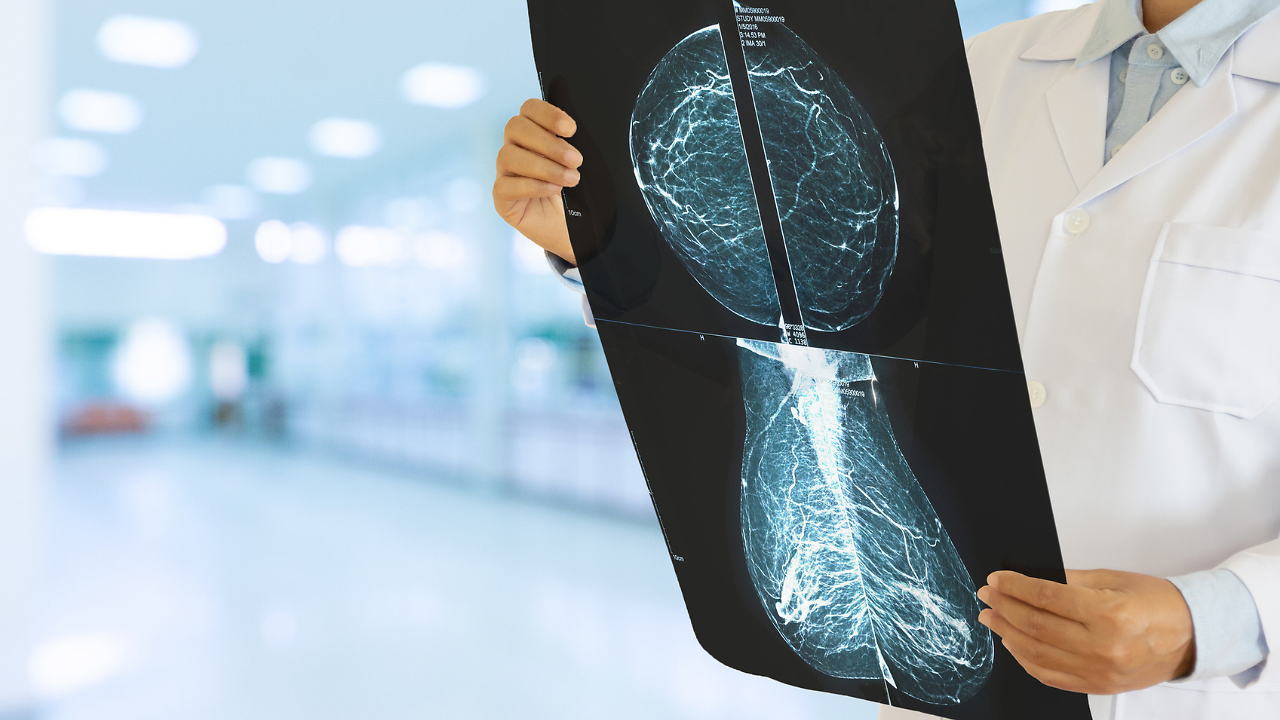
GLP-1 weight loss drugs may change how women's breasts appear on mammograms, an important breast cancer screening tool, potentially leading to more screening recalls and additional tests, a new study has found.Researchers at Brigham and Women's Hospital found increased mammographic breast density in women taking GLP-1 receptor agonists for weight loss. The findings are scheduled to be presented at the annual meeting of the Radiological Society of North America (RSNA)."To our knowledge, this is among the first studies to directly evaluate longitudinal changes in mammographic breast density using paired mammograms before and after GLP-1-associated weight loss," said lead author Eva C. Gombos, a diagnostic radiologist at Brigham and Women's Hospital in Boston.The findings come amid growing use of drugs such as Ozempic and Wegovy. According to a Gallup poll, 11% of US adults were taking GLP-1 medications for weight loss in 2026, up from 3% in 2024.How GLP-1 Increased Breast Density, Mammogram RecallsThe retrospective study included 107 women aged 34 to 79 who used GLP-1 drugs for weight loss for at least a year. Their average weight loss was 40 pounds.Researchers compared mammograms taken before treatment and after at least one year of therapy, assessing breast density, breast-size changes and screening recalls.Key findings:Increased breast density: 65 of 104 women (62.5%) experienced an increase of at least one BI-RADS category. Greater weight loss was associated with larger increases.Breast-size changes: Reduction was observed in 57.9% to 78.5% of women, while skin thickening was identified in 9.3% to 17.8%.Higher recall rate: 24 women (22.4%) were called back for additional imaging, compared with the US average of approximately 10%.Biopsy results: Four women were recommended for biopsies, and all results were benign."It was surprising that 62.5% of women had increased BI-RADS breast density despite substantial weight loss, with no decreases observed," Dr. Gombos said."This may reflect disproportionate loss of breast fat, causing a relative increase in mammographic density even as absolute fibroglandular volume decreases.""The 22.4% screening recall rate is notable, because all recalled cases were ultimately benign or negative, and all four biopsies were benign concordant," she added.Dr. Gombos said changes in breast composition after substantial weight loss could create new asymmetries or other findings that prompt additional testing.Does Increased Breast Density Mean Higher Breast Cancer Risk?Mammograms are an important breast cancer screening tool, with the American Cancer Society recommending annual screening for women aged 40–54.Mammograms are low-dose X-ray examinations used to detect breast cancer early, often before a lump or other symptoms appear. Higher breast density is an independent risk factor for breast cancer and can make abnormalities harder to detect on mammograms.However, the changes observed in this study may reflect breast-fat loss rather than an increase in fibroglandular tissue.Substantial weight loss can make the remaining breast tissue appear relatively denser without increasing its actual volume. The researchers said the long-term implications of these imaging changes remain uncertain.What Should Women Taking GLP-1 Drugs Do?"The findings do not suggest that patients should be concerned about taking GLP-1 medications," Dr. Gombos said.An increase in mammographic density after weight loss does not necessarily mean increased breast cancer risk, she explained. However, changes in breast composition could lead to additional imaging or screening recalls.The researchers recommend that women continue routine breast cancer screening according to existing guidelines."Because substantial weight loss may change breast density and mammographic appearance, patients should inform their breast imaging team about GLP-1 use and significant recent weight loss," Dr. Gombos said.