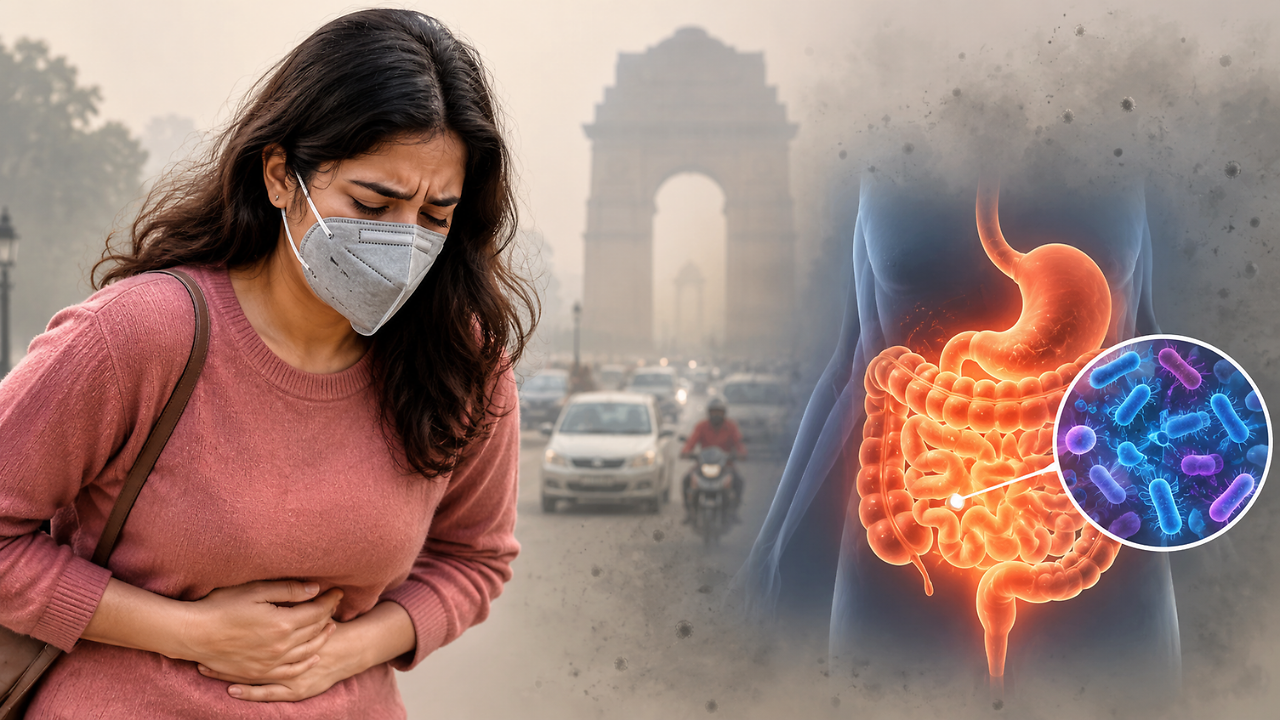
Delhi's air pollution is not just a threat to the lungs and respiratory health. Emerging research suggests that prolonged exposure to toxic air may also affect gut health, triggering inflammation, oxidative stress and changes in the gut microbiome. From bloating and digestive discomfort to possible links with chronic gastrointestinal disorders, experts warned that the impact may extend beyond the respiratory system. Children, whose gut and immune systems are still developing, may be particularly vulnerable.Delhi recorded an average AQI of 228 at 7 am on Wednesday, compared with 242 on Tuesday, according to Central Pollution Control Board (CPCB) data.How Does Air Pollution Affect Gut Health?Also read: Air Pollution May Increase Alzheimer's Risk By 25%: Study Reveals How Fine Particles Alter Brain CellsSpeaking to HealthandMe, Dr. Sharad Malhotra, Senior Consultant and Director – Gastroenterology, Hepatology and Therapeutic Endoscopy, Aakash Healthcare, said pollution's impact extends beyond the respiratory system."Everyone knows air pollution affects lungs and heart, but its impact may cover a wide reach, as far as the gut," he said.Inhaled pollutants can mix with mucus in the respiratory tract and enter the digestive system when swallowed. Once in the gut, they may trigger inflammation and oxidative stress and disrupt beneficial bacteria."The gut microbiome is important in nutrient digestion, immunity, and intestinal barrier maintenance. An imbalance of which can affect normal digestion," Dr. Malhotra said.Pollution-related inflammation may also damage the intestinal lining and increase gut permeability.What Digestive Problems May Be Linked To Pollution?Read More: Lung Cancer In Non-Smokers: AIIMS Oncologist Says Cases Are Rising Among Young People And Women, Explains PM2.5 Link Prolonged exposure to air pollution has been investigated for possible links with:Acidity and gastritis: Inflammation may aggravate digestive discomfort.Bloating: Changes in gut bacteria may affect digestion.IBS and IBD: Pollutants may contribute to intestinal inflammation.Liver disorders: Particulate exposure may increase oxidative stress.A 2025 review in BMC Public Health reported possible associations between PM2.5 exposure and gastrointestinal and liver diseases. Another systematic review linked air pollution to changes in gut microbiome diversity.However, much of the evidence comes from animal and laboratory studies. Direct links in humans need further investigation.Why Are Children More Vulnerable?READ: Is India's Toxic Air Adding To Its Diabetes Crisis? What Experts SayChildren's developing gut microbiota and immune systems may make them more susceptible to pollutants.Dr. Sufla Saxena, HOD – Paediatrics and Paediatric Gastroenterology and Hepatology, Manipal Hospital, told HealthandMe that children can swallow pollutants cleared from their airways or ingest contaminants through food and water."When these pollutants enter the gut, they can disturb the balance of gut microbiota, the beneficial bacteria that support digestion and immunity. This imbalance may contribute to digestive disturbances, intestinal inflammation and changes in the body's immune response. Over time, disruption of gut health may also influence a child's susceptibility to allergies, obesity and metabolic disorders later in life," she said.Parents should watch for recurring abdominal pain, bloating and changes in bowel habits, particularly in children with existing digestive conditions or food sensitivities.How Can You Protect Your Gut During Pollution Season? Dr. Malhotra recommends:Monitor AQI and limit outdoor exposure when pollution is high.Wash fruits and vegetables thoroughly and keep food covered.Drink safe water.Include fibre-rich and antioxidant-rich foods, including fruits, vegetables, nuts and seeds.Use HEPA air purifiers where possible and reduce indoor dust.Wear a well-fitting N95 mask when outdoor exposure is unavoidable.Avoid unnecessary medication for acidity, bloating or diarrhoea.Parents should also encourage handwashing and provide children with a balanced diet containing fruits, vegetables and whole grains.When Should You Consult a Doctor?Do not automatically blame pollution for persistent digestive symptoms. Consult a doctor for recurring abdominal pain, bloating, acidity, diarrhoea, constipation or changes in bowel habits.Seek prompt medical attention for blood in the stool, severe abdominal pain, persistent vomiting, unexplained weight loss or dehydration.