
- Health Conditions A-Z
- Health & Wellness
- Nutrition
- Fitness
- Health News
- Ayurveda
- Videos
- Medicine A-Z
- Parenting
Ozempic Soon To Be Launched In India, Here's All That You Should Know About This Weight Loss Drug
Credits: Canva and Wikimedia Commons
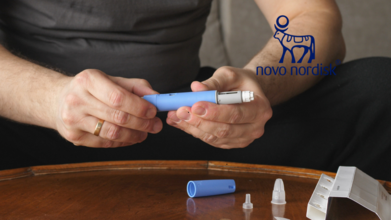
Novo Nordisk is all set to launch Ozempic, a popular drug for diabetes and weight loss, administered through a shot, in India. As per the Diabetes Organization, UK, it semaglutide, sold under the brand name of Ozempic, which belongs to a group of drugs called the GLP-1 agonists, also the GLP-1 analogues, GLP-1 RAs, and incretin mimetics.
It treats type 2 diabetes, which can help you manage your blood sugar levels.
How Does Ozempic Work?
Ozempic increases the levels of incretins, which are hormones naturally produced in the stomach when you eat. This then helps your body to produce more insulin when needed and reducing the amount of glucose or sugar produced by the liver. The drug is also known for slowing down how quickly food is digested and thus helps in maintaining a lower blood sugar level and HbA1c.
How To Administer Ozempic?
The main question is, how must one take Ozempic? As per the Diabetes Organization, UK, you take this once a week. Your healthcare team will also give you instruction on how to inject it.
The Diabetes Organization, UK, also notes that those above the age of 18 with type 2 diabetes can take Ozempic.
Vikrant Shrotiya, who is the India Head of the Danish drugmaker Novo Nordisk told India Today, "“With the highly anticipated launch expected soon, Novo Nordisk will now complete its semaglutide portfolio in India, providing a range of treatments to address diverse patient needs— oral semaglutide for diabetes, advanced obesity management through Injectable.”
Read: How To Identify A Counterfeit Ozempic? Look For These Signs
Why Does India Need Ozempic?
"India is the diabetic capital," said Dr Hitendra Mehta, Head, Clinical Services, at Dr Agarwals Eye Hospital in Tardeo at a conference on how diabetes impacts vision loss.
As per the World Health Organization (WHO), in India, there are around 77 million people above the age of 18 who are suffering from type 2 and nearly 25 million prediabetics patients. More than 50% of people are unaware of their diabetic status which leads to health complications if not detected and treated early.
WHO also notes that diabetic retinopathy is an important cause of blindness and occurs as a result of long-term accumulated damage to the small blood vessels in the retina. Diabetes is among the leading causes of kidney failure too. This is why, the India head has called this launch a "much-needed move", as the India Today reported.
Is Ozempic Safe To Use?
Ozempic is generally considered safe for people with type 2 diabetes or obesity when prescribed and closely monitored by a healthcare professional. However, there have been studies that do point out that it is not suitable for everyone.
People with a history of medullary thyroid carcinoma, multiple endocrine neoplasia syndrome type 2 (MEN 2), or serious kidney or liver problems should avoid it, the Ozempic website mentions.
Read: Is Ozempic Really Safe? Health Canada Logs Nearly 12,000 Side Secondary Effect Cases
Who Else Are Advised Against It: Pregnant or mothers who are breastfeeding are also advised against its use, as safety data remains limited.
The patients who are advised to consume the drug, Ozempic can provide major benefits, including improved blood sugar control, reduced cardiovascular risk, and significant weight loss.
What Are The Side Effects?
The side effects could range from nausea and fatigue to rare but serious complications such as pancreatitis or gallbladder issues should be carefully monitored during treatment.
India Loses A Woman To Breast Cancer Every Eight Minutes: Novartis’ ‘Take Charge’ Campaign Aims To Change That

Credits: Canva
Breast cancer has quietly become one of India’s most pressing public health challenges. Today, it is the most commonly diagnosed cancer among Indian women and a leading cause of cancer-related deaths.
Data from the Global Cancer Observatory shows that nearly 1.9 lakh women are diagnosed with breast cancer in India each year. This works out to one new case every four minutes. The death toll is equally worrying. On average, a woman in India dies of breast cancer every eight minutes, highlighting how urgently the country needs stronger awareness, early diagnosis, and sustained care.
One factor that sets India apart is the age at which women are affected. Almost half of all breast cancer patients in the country are younger than 45. This is a much higher proportion than seen in many Western nations, where the disease is usually detected later in life.
Breast Cancer: A Rising Burden Across The Country
Cancer surveillance data from GLOBOCAN and Indian registries under the Indian Council of Medical Research point to a steady rise in breast cancer cases. Rapid urbanisation, changing lifestyles, delayed pregnancies, shorter periods of breastfeeding, rising obesity, and limited screening practices have all played a role.
Late diagnosis continues to be one of the biggest challenges. Many women seek medical help only when the disease has progressed to advanced stages, making treatment more difficult and outcomes less certain. Fear, social stigma, lack of awareness, and limited access to screening services, especially in rural and semi-urban areas, often contribute to these delays.
For some women, the risk of recurrence can be significant, depending on the type and stage of cancer. Living with this uncertainty takes a lasting toll on mental and emotional wellbeing.
Novartis 'Take Charge' Campaign Focuses On Life Beyond Diagnosis
To address these gaps, Novartis has launched the ‘Take Charge’ campaign in collaboration with Times Network. The initiative aims to move the conversation beyond diagnosis and medication, encouraging women and their families to play an active role in decisions about care, recovery, and quality of life.
Speaking at the Times Network India Health Summit and Awards 2025, Amitabh Dubey, Country President and Managing Director of Novartis India, underlined that effective cancer care goes far beyond medicines alone. He spoke about the need for personalised treatment, open conversations between doctors and patients, and long-term support throughout the cancer journey.
According to Amitabh Dubey, advances in medical science have changed the way many cancers are managed. In breast cancer, better imaging, improved diagnostics, genomics, and targeted therapies now allow doctors to tailor treatment to the biology of each patient rather than relying on a uniform approach.
'Take Charge' By Novartis Highlights Need For Early Awareness
Awareness remains a central pillar of the ‘Take Charge’ initiative. Many women hesitate to speak openly about breast health or postpone seeing a doctor even after noticing symptoms. Encouraging routine self-examinations, timely screenings, and honest conversations about warning signs is especially important for younger women, who may not believe they are at risk.
The campaign also places strong emphasis on caregivers and families. Emotional support, access to reliable information, and timely medical advice can make a meaningful difference to both treatment outcomes and recovery.
Breast Cancer Awareness: Closing Gaps In Access And Affordability
Although government schemes such as Ayushman Bharat and various state cancer programmes have improved access to care, health insurance coverage in India remains limited, reaching only about 38 percent of the population. As a result, newer and more advanced treatments are still beyond the reach of many patients.
Novartis has been working with government agencies and local health systems to improve referral pathways, strengthen early detection efforts, and train frontline health workers. Community-based initiatives involving ASHA workers, awareness drives, and structured referrals aim to ensure that women with early symptoms reach appropriate care without unnecessary delays.
Breast cancer does not have to signal the end of a woman’s life or identity. With early diagnosis, personalised treatment, and continued support, many women go on to live full and meaningful lives. Campaigns like Take Charge seek to reinforce this message and remind women that they can remain active decision-makers in their own health journeys.
As Amitabh Dubey noted at the launch, taking charge is not only about fighting disease. It is about having the knowledge, confidence, and support to ask the right questions, make informed choices, and live well beyond cancer.
Schizophrenia And Bipolar Disorder Have The Same Genetic Links, Study Finds

Credit: Canva
Schizophrenia (SCZ), bipolar disorder (BD) and major depressive disorder may share the same genetic roots, a Nature study shows.
While experts have long classified each of these mental disorders as individual illnesses with their own causes, researchers from across China have discovered that these three diseases share about 70 percent common genetic and environmental risk factors.
Schizophrenia is a severe, chronic brain disorder that can lead psychosis, hallucinations, delusions, disorganized thinking and reduced emotional expression. It can affect how a person's thinks, feels and behaves, making it hard to distinguish reality.
While bipolar disorder is a chronic mental illness which causes extreme mood swings, from emotional highs (mania/hypomania) to lows (depression), affecting the brain's energy, activity and focus levels.
On the other hand, major depressive disorder or clinical depression, is a serious mood disorder that causes persistent sadness and loss of interest in a person. It can affect feelings, thoughts and daily activities and can be identified by symptoms such as low energy, sleep/appetite changes, guilt, concentration issues and thoughts of death.
What Did The Study Find?
The Chinese researchers studied genetic data from more than one million people with mental health diagnoses and five million people without them.Using advanced techniques, they identified 238 genetic variants that raise risk across multiple disorders and showed that five major genetic patterns explain most of the differences between people with and without mental illness.
Read More: Study Shows Depression Can Accelerate The Onset Of Chronic Illnesses
Based on these genetic patterns, the disorders clustered into five broad groups: internalizing conditions such as depression, anxiety and post-traumatic stress disorder; neurodevelopmental conditions including autism and attention-deficit hyperactivity disorder; substance use disorders; compulsive conditions such as obsessive-compulsive disorder and anorexia and lastly, a fifth group that included bipolar disorder and schizophrenia.
The findings explain why many individuals are diagnosed with more than one mental health condition as many genes affect multiple brain pathways. This indicates that the same genetic changes can lead to different disorders depending on other biological and environmental factors.
Can The Same Treatment Plan Be Used For These Illnesses?
Even though medications such as antidepressants are useful in treating multiple mental illnesses including depression, anxiety and PTSD, the researchers concluded that more research is needed to understand the biology behind the genetic factors to understand the links between the disease.
One of the study’s authors compared the current system to diagnosing a patient with separate illnesses for a cough, sore throat and runny nose instead of recognizing a single underlying infection.
Nearly one in eight people globally, around 970 million individuals, were living with a mental disorder in 2021, with anxiety and depression being the most common globally.
Amazon Confirms 10 Tuberculosis Cases At UK Warehouse

Credit: Canva
Amazon has confirmed that 10 employees at its Coventry, UK warehouse have tested positive for tuberculosis (TB) as calls for site shutdown continue to grow.
Cases emerged at the hub, which has about 3,000 employees, in September 2025 and were found to be non-contagious. However, the retail giant acknowledged the breakout on January 16.
Officials from Amazon noted: "In line with best practice safety procedures, we immediately followed guidance from the NHS and UK Health Security Agency (UKHSA) and made all potentially affected employees aware of the situation. Out of an abundance of caution, we are currently running an expanded screening program with the NHS.
"We will continue to follow guidance from the experts in the NHS, and would respectfully remind public organizations of the need for responsible communications where matters of public wellbeing are concerned."
A spokesperson also assured that no new cases have been recorded in the area and a "screening program" being carried out amid "an abundance of caution" in collaboration with NHS and the UK Health Security Agency (UKHSA).
Are The Patients Receiving Treatment?
Since being diagnosed with TB, the unidentified patients have been receiving treatment from the UKHSA in West Midlands. Dr Roger Gajraj, consultant in health protection with UKHSA West Midlands also revealed that tests are being offered to those who may have had close contact with the patients and assured the overall risk remains low.
He told the BBC: "The small number of individuals affected by tuberculosis (TB) are responding well to treatment and are no longer infectious, so pose no onward risk.
"As a precaution, and in line with national guidance, we are offering testing to those who may have had closer contact with the affected individuals. The overall risk remains low. TB is fully treatable with antibiotics. We continue to work closely with Amazon to monitor the situation."
Read More: WHO’s Latest TB Guidelines Highlight Nutrition as Key to Treatment
Why Is TB Dangerous?
Tuberculosis is a bacterial disease caused by Mycobacterium tuberculosis. While the illness primarily affects the lungs, it can also cause damage to the brain and spine, leading to overall body damage.Common signs and symptoms of TB include unexplained weight loss, loss of appetite, chills and fever, fatigue, getting night sweats, weakness or fatigue. Symptoms of TB disease in the lungs may include coughing up blood or sputum, a cough lasting for more than 3 weeks and chest pain.
TB is typically diagnosed through the Mantoux Tuberculin Skin Test(TST). Here, a small amount of tuberculin is injected into the skin of the forearm and is monitored for a reaction 48 to 72 hours after the injection. A positive skin test result indicates the presence of TB and there is a need for additional tests to determine to determine if it is active or latent.
If positive, blood tests are done to determine or rule out if the patient has active or latent TB. There are two blood tests approved by the Food and Drug Administration for TB- T-SPOT TB test(T-spot) and the QuantiFERON-TB Gold-In-Tube test(QFT-GIT). Doctors may also prescribe a chest X-ray or CT scan after a positive skin test.
Despite being preventable through vaccine and and curable through antibiotics, TB remains a leading infectious killer and causes over a million deaths annually worldwide, with millions falling ill each year.
In 2024, about 10.7 million people were diagnosed with TB out of which 1.23 million died from the disease.
- Follow Us :


© 2024 Bennett, Coleman & Company Limited