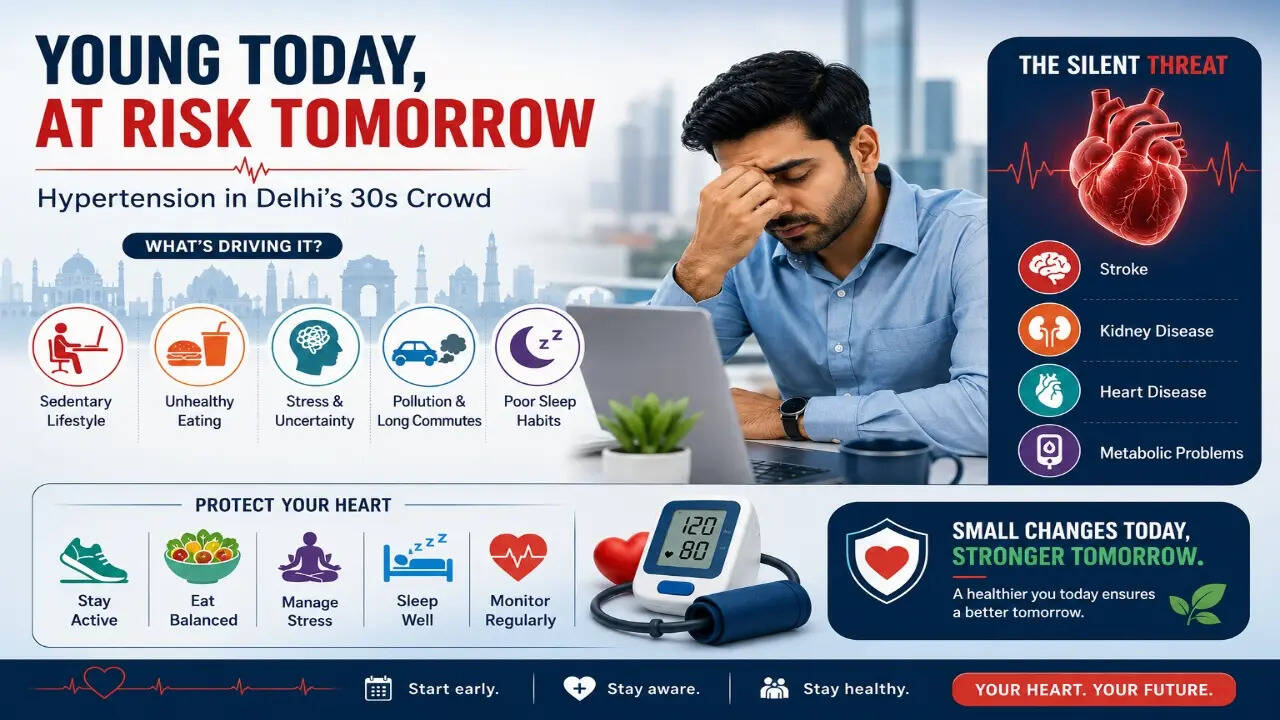
In the recent past, there has been an increase in the prevalence of hypertension among the young urban population of Delhi, especially after the pandemic. Medical practitioners and public health specialists note that people in their late twenties and thirties are now experiencing higher levels of high blood pressure, which used to affect mostly middle-aged and older people. This has become a silent cardiovascular disease problem among young professionals due to the fast-paced lifestyle and post-pandemic stress.In an interaction with Health and Me, Dr Tushar Tayal, Associate Director, Internal Medicine, CK Birla Hospital, Gurugram, spoke about the rising incidence of high BP cases in 30-something Delhi locals. Lifestyle Changes Due to the Pandemic SituationThe coronavirus pandemic brought about significant changes in people’s lifestyles. Working from home became the norm for most companies, leading to less physical exercise, more screen time, and the blurring of lines between work and private life. Young adults living in Delhi experienced disrupted sleeping schedules, spent less time outside, and consumed processed foods delivered to them regularly. These unhealthy practices have persisted even after offices reopened.Stress and Uncertainty PersistMoreover, life after the pandemic has also brought emotional and financial stress for many city-based working individuals. Fears surrounding job stability, the increasing cost of living, loneliness, and burnout have had an adverse effect on individuals’ mental well-being. Stress leads to the activation of the body’s “fight or flight” response, causing increased heart rates and the tightening of blood vessels. Eventually, constant physiological stress results in long-term high blood pressure. Young adults might not be aware of how stress impacts their bodies physically until something goes wrong.Urban Life in Delhi Puts People at RiskFurthermore, other aspects of urban life in Delhi also increase the risk of developing cardiovascular diseases. Factors such as long commutes, traffic pollution, poor air quality, lack of proper sleep, and the consumption of convenience foods have contributed to poor heart health among people. The reliance of most professionals on caffeine, processed food, and unhealthy eating habits has made people more prone to high blood pressure problems.How Hypertension in the 30s is HazardousThe early onset of high blood pressure predisposes an individual to various cardiovascular diseases in the future, including stroke, kidney disease, heart disease, and other metabolic problems. In most cases, high blood pressure remains unnoticed for quite a long time due to the absence of any obvious signs and symptoms. Therefore, some patients perceive headaches, fatigue, anxiety, or sleeplessness as mere side effects of stress. Nevertheless, hypertension in one’s thirties poses a threat of vascular damage in the coming decade.Hypertension in Young Urban AdultsIt seems curious that urban youth demonstrate sufficient physical activity on their Instagram accounts while being incapable of sustaining cardiovascular balance. The issue stems from the fact that regular exercise performed in the gym or during weekends cannot totally compensate for the impact of constant psychological stress, an unhealthy dietary regime, and stressful work. Specialists indicate that blood pressure is regulated not just by one’s body mass index but also by neurological factors and lifestyle stability.Awareness Regarding Prevention from HypertensionAccording to experts, individuals aged over 25 years need to monitor their blood pressure levels regularly, especially when engaged in stressful jobs. Other preventive measures, such as walking daily, reducing sodium consumption, practicing yoga and meditation, getting adequate sleep, and managing stress, will greatly contribute towards mitigating risks. Initiatives by corporate organisations, as well as government campaigns, might be instrumental in raising awareness regarding the prevention of hypertension among the youth in Delhi.The post-pandemic period has clearly shown that stress, lack of physical activity, and the challenges of living in cities have a great bearing on cardiovascular disorders.