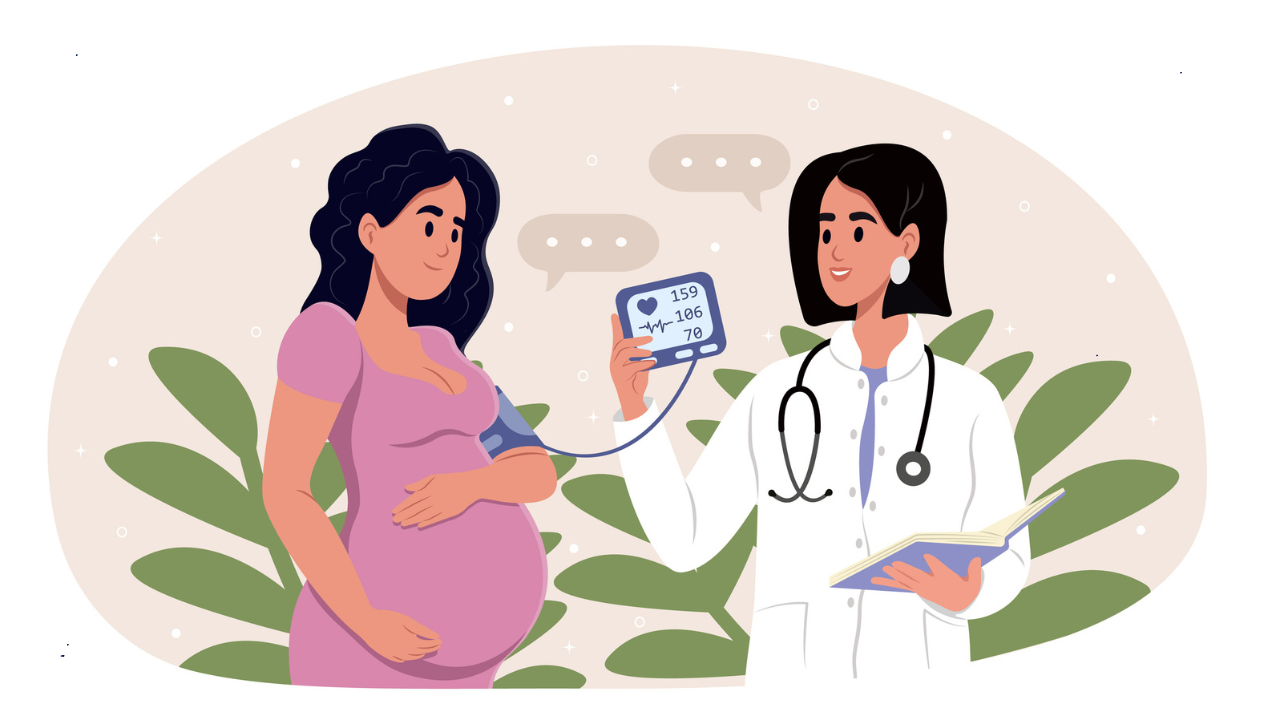
Preeclampsia is a life-threatening pregnancy complication that is completely preventable and treatable if identified at an early stage. Yet the condition, majorly characterized by high blood pressure in pregnant women, remains the third leading cause of maternal deaths in India, said an expert from the All India Institute of Medical Sciences, New Delhi, today. Marking World Preeclampsia Day, observed annually on May 22, Dr. Neena Malhotra, Professor and Head of the Department of Obstetrics and Gynaecology at AIIMS, highlighted the urgent need for early screening and awareness around preeclampsia. “Preeclampsia is a serious disease. But it has a solution. Preeclampsia is a disease that we can identify very easily and quickly. We can stop it and treat it,” she said, lamenting that even today, women are suffering from the condition and are at an increased risk of death or morbidity due to it. Dr. Neena stated that India has made major progress in reducing maternal mortality, yet preeclampsia continues to remain a serious challenge in the country. “Our country’s mortality rate is around 90 per 100,000 live births, which is a significant achievement. However, preeclampsia is one disease we have still not been able to fully control,” she said. Dr. Malhotra said an estimated 2 to 4 lakh women develop preeclampsia every year in India, making it one of the leading causes of maternal mortality after hemorrhage and infection. She warned that severe preeclampsia can lead to: Brain hemorrhage Seizures Pulmonary edema Kidney failure Liver damage Sudden collapse “No high blood pressure during pregnancy should be considered normal,” she said. Also read: India Tightens Control On Pregabalin Over Growing Misuse Among YouthWhat Is Preeclampsia? How To Identify? Dr. Neena explained that preeclampsia is a pregnancy-related condition marked by high blood pressure and organ involvement, usually after 20–24 weeks of pregnancy. She noted that the condition can be identified through blood pressure monitoring and urine testing for protein. She said common symptoms include swelling of the feet, stomach, and hands, while severe cases may present with severe headaches and epigastric pain. “There are often no early symptoms, which is why screening during the first trimester becomes very important,” she added. The expert said the high-risk pregnancy condition can be identified using Doppler ultrasound screening, blood tests, and gestosis scoring systems during the 13th or 14th week of pregnancy. Women at greater risk include those with: High blood pressure Twin pregnancies Diabetes Autoimmune disorders Advanced maternal age Genetic predisposition She also noted that women living at high altitudes and environmental factors may contribute to increased risk. Read More: AYUSH Ministry Shares Yoga, Ayurveda Tips To Beat Heatwave StressPreeclampsia: The Importance of Early Screening Dr. Malhotra stressed that early identification can significantly reduce severe complications. “If 100 women are at risk of developing preeclampsia, low-dose aspirin under medical supervision can help prevent severe disease in nearly 90 women,” she said. However, she cautioned women against self-medication and advised that aspirin should only be started after proper medical screening and consultation. Preeclampsia: Impact On Babies Preeclampsia can also severely affect babies, leading to: Low birth weight Growth restriction Premature birth Stillbirth Awareness At Grassroots Level Crucial Highlighting the role of grassroots healthcare workers, Dr. Malhotra said ANMs and primary healthcare workers must educate pregnant women about the importance of regular blood pressure monitoring. She added that awareness and early identification remain the strongest tools to reduce deaths linked to preeclampsia in India.