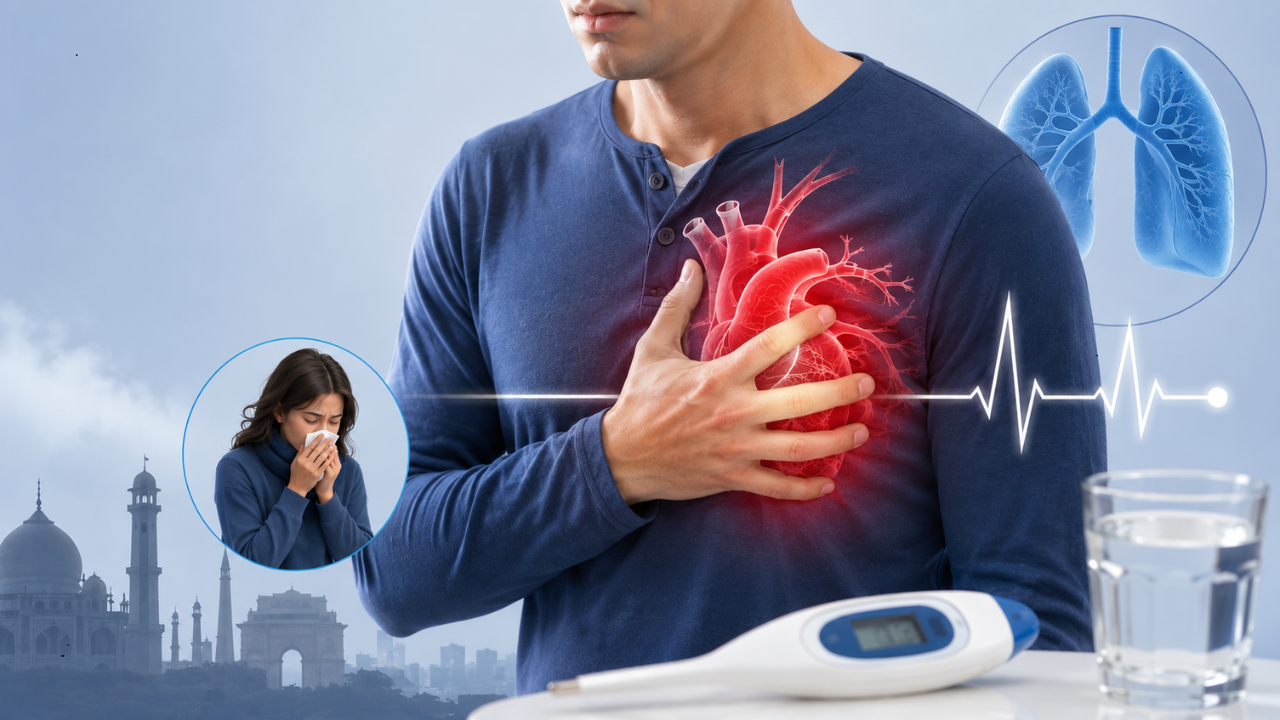
Influenza strain H1N1, formerly known as swine flu, is rising significantly in India, with deaths also being reported in some states.H1N1 is a subtype of Influenza A and can cause sudden fever, cough, sore throat, headache, body aches and fatigue. These symptoms can overlap with those of other seasonal influenza strains, COVID-19 and respiratory syncytial virus (RSV), making it difficult to identify the infection based on symptoms alone.H1N1 Cases and Deaths Reported in StatesDelhi: According to official data, Delhi has reported 1,349 confirmed H1N1 infections. No official deaths have been reported.Kerala: A total of 2,468 influenza cases were recorded in the state in July, with 24 deaths reported during the month. The total number of cases recorded in the state this year stands at 5,519, with 60 deaths reported.Maharashtra: The state has reported 25 laboratory-confirmed H1N1 cases, including a major spike of 15 cases in July. One confirmed death was officially verified by the Nagpur Municipal Corporation (NMC) Death Audit Committee.Gujarat: H1N1 activity is also being reported, with Ahmedabad currently seeing a rise in cases.Although H1N1 influenza primarily affects the respiratory tract, the infection can also put additional strain on the heart in some people, particularly those with a chronic history of cardiovascular disease, experts told HealthandMe.How H1N1 Can Strain the HeartFever, dehydration, increased levels of carbon dioxide in the body, decreased oxygen levels and the body’s inflammatory response can increase the workload on the heart during an H1N1 infection.This added strain may be more concerning for people who already have cardiovascular disease, said Dr. Praveen Raman Mishra, Associate Consultant, Institute of Cardiac Sciences at ShardaCare – Healthcity.Heart Problems Linked to H1N1Some H1N1 influenza patients may experience cardiovascular complications, including:Inflammation of the heartAbnormal heartbeatsWorsening of heart failureThese problems may occur as the body responds to the infection and the heart faces increased demands.Dr. Saurabh Gupta, Associate Director, Internal Medicine, Yashoda Medicity, added that H1N1 infection may cause fluctuations in heart rhythm or inflammation associated with the heart.“In some circumstances when suffering from the H1N1 virus, although the initial symptoms of the virus may be those shared with the normal flu, such as temperature, aches and cough, those with pre-existing heart conditions should be more vigilant whilst they’re recuperating,” he told HealthandMe.“As the infection puts more work on the body, you can find that previous heart problems are more noticeable,” he added.Warning Signs to Watch For After H1N1The experts noted that people recovering from H1N1 should seek medical attention if they develop symptoms such as:Severe chest painShortness of breathA high or fluttering pulseSudden faintnessSevere weaknessAccording to Dr. Mishra, these symptoms could indicate a problem involving the cardiovascular system. Early evaluation is important because such complications can be treatable when detected promptly.Who Should Be Particularly Careful?People with a chronic history of cardiovascular disease may face greater strain on the heart during H1N1 infection.Monitoring symptoms during recovery and seeking medical attention when concerning symptoms develop can help identify cardiovascular problems early.