
- Health Conditions A-Z
- Health & Wellness
- Nutrition
- Fitness
- Health News
- Ayurveda
- Videos
- Medicine A-Z
- Parenting
Quebec Hospitals Found To Be In Far Worse Shape Than Reported

Credits: Canva
A fresh assessment of Quebec’s hospital network paints a troubling picture. The number of medical buildings considered to be in poor condition has more than doubled in just one year, revealing infrastructure problems far deeper than previously understood.
Data updated by Santé Québec and compiled by Radio Canada shows that 38 per cent of the province’s 594 hospital buildings were rated either poor or very poor by early 2026.
In early 2025, about 100 buildings fell into those categories. A year later, that number rose sharply to 227.
Repair Costs Surge Past $2 Billion
The deteriorating conditions have dramatically increased repair costs. The hospital maintenance backlog, once estimated at about 900 million dollars last year, has now crossed 2 billion dollars.
Officials say the numbers reflect years of aging infrastructure and delayed evaluations rather than a sudden collapse in a single year.
Montreal Hospitals Among The Worst Affected
Nearly half of the most deteriorated hospitals are located in Montreal.
The Montreal General Hospital now ranks as the worst facility in the province. Last year it held a B rating, meaning good condition. This year it fell to E, the lowest possible grade, indicating very bad condition.
Colleen Timm, executive director of the McGill University Health Centre, described the situation as critical. She said the hospital has recorded 260 water leaks since early 2024, some affecting patient care directly.
According to Timm, the building’s plumbing and electrical systems must be completely replaced. The estimated maintenance deficit for that hospital alone is about 249 million dollars.
The Douglas Mental Health University Institute, which recently experienced burst water pipes, is also among the most deteriorated sites.
Problems Seen Across The Province
The issue extends beyond Montreal. Santé Québec figures show several other facilities also need major repairs.
The Douglas Mental Health Institute in Montreal, the Hôtel Dieu de Québec in Quebec City and the Saint Jérôme regional hospital each require roughly 100 million dollars in work.
Sonia Dugas, vice president of finance at Santé Québec, called the rapid rise in poor ratings worrying. She explained the increase is partly due to a long overdue update of infrastructure data that had not been properly evaluated for years.
The goal, she said, is to get an accurate picture so budgets can be prioritized correctly.
Aging Buildings Before New Ones
Officials now say the province must focus on maintaining older facilities before expanding the network.
Santé Québec currently has about 1 billion dollars available for maintenance, but Dugas acknowledged the real repair costs will likely be at least double that amount.
The findings suggest Quebec faces a long and expensive effort to modernize hospitals that millions rely on for care.
Grey’s Anatomy Star Eric Dane Dies After ALS Battle
Credit: Shutterstock
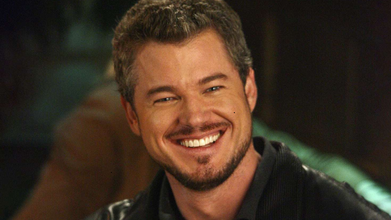
Grey's Anatomy star Eric Dane has died at the age of 53, 10 months after revealing he was suffering from amyotrophic lateral sclerosis (ALS).
Dane, who is also known for his role as Nate Jacob's father in HBO's Euphoria, has spent his last few months raising awareness for the most common form of motor neurone disease (MND).
Popularly known as 'McSteamy', Dane is survived by his wife, fellow actress and model Rebecca Gayheart and his two daughters, Billie and Georgia.
"With heavy hearts, we share that Eric Dane passed on Thursday afternoon following a courageous battle with ALS," reads a statement from the grieving family. "He spent his final days surrounded by dear friends, his devoted wife, and his two beautiful daughters, Billie and Georgia, who were the center of his world."
"Throughout his journey with ALS, Eric became a passionate advocate for awareness and research, determined to make a difference for others facing the same fight. He will be deeply missed, and lovingly remembered always. Eric adored his fans and is forever grateful for the outpouring of love and support he’s received. The family has asked for privacy as they navigate this impossible time.”
What Is ALS?
Also known as Lou Gehrig's disease, ALS targets motor neurons, nerve cells in the brain and spinal cord responsible for voluntary muscle movement. When these neurons degenerate and die, the brain can no longer communicate with muscles, leading to muscle weakness, paralysis, and eventually respiratory failure.Most individuals with ALS retain their cognitive function, but lose the ability to walk, speak, eat, and breathe without assistance. The disease progresses over time, with most patients surviving between two to five years following diagnosis.
ALS presents in unique ways from person to person. It can begin in the limbs (limb-onset) or in muscles related to speaking and swallowing (bulbar-onset). While no cure currently exists, treatment advancements have offered hope for improved quality of life and extended survival.
Who is Affected by ALS?
ALS can affect anyone, though it is most commonly diagnosed between ages 40 and 70. According to the CDC, around 5,000 new cases are diagnosed annually in the United States, with about 30,000 people living with the disease at any given time.There are two major types of ALS:
Sporadic ALS: This is the most common form, accounting for 90% of cases. Though it appears without family history, a portion of cases may involve genetic mutations.
Familial ALS: Representing about 10 percent of cases, this inherited form results from specific genetic changes.
Certain groups are at higher risk. Military veterans and firefighters are nearly twice as likely to be diagnosed with ALS—potentially due to environmental exposures, physical trauma, or toxins encountered during service. The U.S. Department of Veterans Affairs recognizes ALS as a service-connected condition, entitling veterans to specialized care and benefits.
READ MORE: Grey’s Anatomy’ Star Eric Dane Reveals He Has ALS- What Are The Early Signs And Risks?
What Symptoms Should Look Out For?
Symptoms of ALS can vary widely but often begin with muscle weakness, cramps, twitching, or difficulty with speech or swallowing. As the disease progresses, individuals may experience:- Spasticity and exaggerated reflexes
- Muscle atrophy, particularly in the hands and legs
- Bulbar symptoms like difficulty speaking (dysarthria) or swallowing (dysphagia)
- Emotional lability (pseudobulbar affect)
- Breathing difficulties
What Leads To ALS?
Though the exact cause of ALS remains unknown, genetic factors play a key role in some cases. Mutations in genes such as SOD1, C9orf72, FUS, and TARDBP are linked to the disease. Environmental triggers, like toxin exposure, viral infections, and intense physical activity, are also being studied.ALS is diagnosed by ruling out other conditions through clinical evaluation, EMG tests, genetic screening, and imaging such as MRI. Early diagnosis is essential to access therapies and plan care.
There is no cure for ALS yet, but treatments like riluzole, edaravone, and tofersen (for those with SOD1 mutations) can slow progression. Promising research areas include gene therapy, RNA-targeted treatments, biomarkers like Neurofilament Light Chain, and artificial intelligence for diagnosis and personalized care.
Western Australia Seniors To Get Free RSV Immunization

Credits: Canva
Western Australia (WA) Government's announcement of older Western Australians living in residential aged care to receive free RSV immunization through a new $2.6 million state-funded program has been welcomed by the Royal Australian College of GPs or the RACGP.
This is a first initiative where the Arexvy RSV vaccine that usually costs around $300 at private hospitals will be made available at no cost to Western Australians aged 65 and over residing in aged care facilities. As per the Depart of Health, there are about 15,000 aged care residents who will benefit by the vaccine this year.
Western Australia Seniors To Get Free RSV Immunization: What Is RSV?
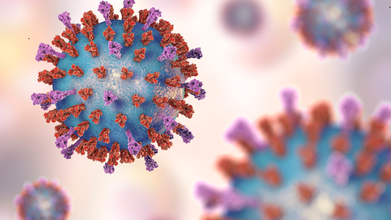
Respiratory Syncytial Virus or RSV is a common, contagious virus that usually causes mild symptoms. In older adults, including those with certain underlying conditions, RSV could cause severe infection. RSV is not a new virus and could be a bigger health concern than many think due to it being highly contagious.
It is a type of respiratory virus that could cause infections of the lungs and the respiratory tracts, It is similar to other respiratory infections when it comes to spreading.
How Does RSV Spread?
It could spread through a cough, sneeze, or by exchange of saliva or using hand to cover a sneeze and not washing it. A person with RSV is typically contagious for three to eight days, for some people with weakened immune system, they could be contagious for four weeks even after they stop showing symptoms.
Western Australia Seniors To Get Free RSV Immunization: What Are The Symptoms?
Symptoms of RSV could appear in three to four days and last up to two weeks. It could range from mild to severe symptoms in older adults. The common symptoms include:
- Fever
- Cough
- Sore Throat
- Runny Nose
- Congestion
- Headache
- Tiredness
Western Australia Seniors To Get Free RSV Immunization: What Is The RSV Season?
The seasonality could vary based on geographic location, population density and even climate activity. However, majority of RSV cases follow the patter:
- Rise from mid September to mid November
- Peak from late December to mid February
- Decline from mid April to mid May
Western Australia Seniors To Get Free RSV Immunization: What Does The Data Say?
RSV is a major winter respiratory illness in Australia that results over 115,000 hospitalizations (2016 to 2019) as per the data presented by the National Centre for Immunisation Research and Surveillance (NCRIS), which is Australia's leading immunization organization. Its data notes that RSV is the leading cause of bronchiolitis and pneumonia in infants, with high rates in those under six months.
As per the official website of Government of Western Australia, in 2025, Western Australia reported 12,804 RSV cases and around a third were in people over 65 who became "very unwell" and required hospital admission. This year's initiative thus aims to lower this number and to protect the seniors form this contagious disease. The Premier of Western Australia Roger Cook said, "Our health system is seeing more patients who are older, sicker and have complex heath needs, reflecting the impact of an ageing population. The RSV immunization program will keep more Western Australians well over the winter months and ease the pressure on our emergency departments."
Lancet study shows experimental oral E coli vaccine can help prevent diarrhea in children

Credit: Canva
An experimental oral vaccine has proven to be safe and effective in generating immunity against the Enterotoxigenic Escherichia coli (ETEC), responsible for 75 million diarrhea episodes and over 40,000 deaths annually in children worldwide, according to a new study published in the journal The Lancet Infectious Diseases.
The vaccine ETVAX -- an oral whole-cell vaccine for ETEC -- consists of inactivated E coli bacteria and is designed to prevent bacterial colonization.
In the phase 2 trial, including nearly 5,000 Gambian children aged 6-18 months, ETVAX was well tolerated. There was no increase in the frequency or severity of adverse events, said an international team of researchers, including those from the London School of Hygiene & Tropical Medicine, in the paper.
"Using active and passive surveillance, we confirmed that ETVAX is safe and induces immune responses to colonisation factors and heat-labile toxins," they added.
Produced by ETEC, heat-labile toxins are sensitive to heat and cause watery diarrhea.
What did the study find?
ETVAX showed to be safe, immunogenic, and also offered protection against moderate-to-severe ETEC diarrhea in the presence of co-pathogens.
Importantly, the study provided the first evidence that ETVAX can significantly reduce the incidence of ETEC-positive and all-cause diarrhea, particularly when vaccination is initiated before age 9 months, and in children without concurrent enteroparasitic infections, the team said.
“This study provides the first demonstration of induction of protective efficacy by ETVAX in young children who are at risk,” the researchers said.
“These findings support progression to a large, multi-country, phase 3 trial to confirm ETVAX efficacy against ETEC disease in children and to support ETVAX introduction in high-burden settings,” they added.
These findings support advancing ETVAX to a pivotal phase 3 trial.
How was the study conducted?
The researchers enrolled children ages six to 18 months to receive ETVAX or a placebo at three timepoints (days 1, 15, and 90).
Serious adverse events occurred in 1.0 percent of the ETVAX group and 1.3 percent of the placebo group, with none related to the vaccine.
Among the 122 children in whom immunity was assessed, the ETVAX, developed by Scandinavian Biopharma, increased antibodies to ETEC colonization factors and heat-labile toxins.
What is ETEC?
Enterotoxigenic Escherichia coli (ETEC) is a pathogenic, toxin-producing strain of E. coli that specifically causes watery, non-bloody diarrhea, commonly known as traveler’s diarrhea.
While most E. coli are harmless gut flora, ETEC uses adhesins to colonize the small intestine and release toxins, whereas "generic" E. coli is usually beneficial or benign.
Annually, ETEC causes 220 million diarrhea episodes globally, with 75 million episodes and up to 42,000 deaths in children younger than 5 years, mainly occurring in low-income countries.
Even as climate models predict increased ETEC incidence under warming conditions, the researcher noted that "an ETEC vaccine could reduce illness and deaths, improve child growth, decrease health-care costs, and curb antimicrobial resistance".
- Follow Us :


© 2024 Bennett, Coleman & Company Limited