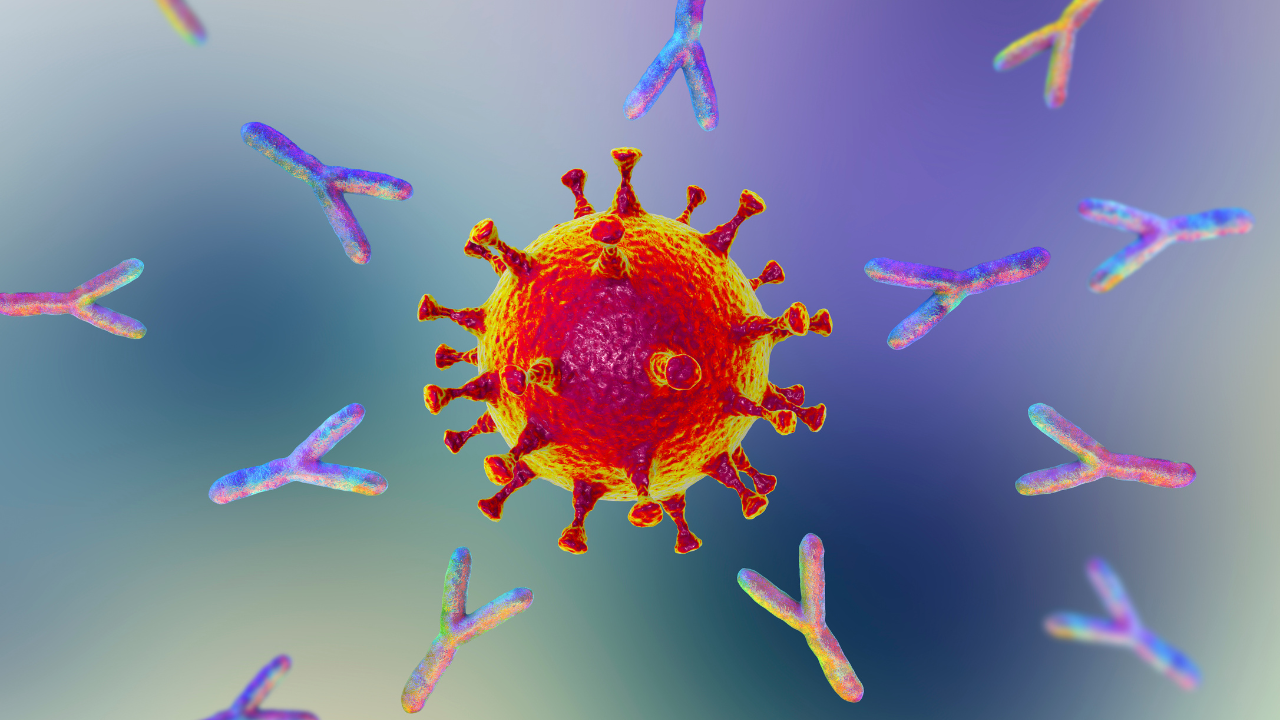
Ever wondered how your body generates antibodies in the face of a virus attack? A new study by French researchers showed that our age, biological sex, and human genetic factors can determine our immunity levels. The human body, when exposed to a virus, defends itself by producing molecules called antibodies. Their main function is to identify pathogens and kill them. Scientists from the Institut Pasteur, the CNRS, and the Collège de France noted that these factors not only boost the quantity of antibodies produced in the body but also determine the specific viral regions to target. The February 2026 study, published in the journal Nature Immunology, can pave the way for the development of personalized treatments, especially for individuals who are most vulnerable to infection."This study provides a detailed, integrated view of how age, sex, and human genetics shape the antibody response," said Lluis Quintana-Murci, Head of the Human Evolutionary Genetics laboratory at the Institut Pasteur. "It shows that these factors even determine which specific regions of a given virus are targeted by antibodies, with important implications for vaccine and therapeutic design," Quintana-Murci added. How Age And Sex Influence Immunity The findings revealed that individuals produce antibodies that target different parts of the virus when attacked by the same virus. Age was identified as the dominant factor influencing antibody production. The team noted that more than half of the antibody repertoire varies depending on age. Further, some antibodies were found to increase with age, while others decreased. This was seen particularly in the case of influenza H1N1 and H3N2 viruses. In young adults, the antibodies mainly targeted a part of the viral surface protein known as hemagglutinin (HA), which evolves rapidly. In older individuals, it focused on a more stable region of the same protein known as the stalk domain. Women were also found to produce more antibodies against HA. On the other hand, men tended to target other viral proteins (NP and M1), despite comparable vaccination rates between the two sexes. How Human Genetics Shape Antibody Production The team identified mutations in genomic regions known to encode the immunoglobulin repertoire. These variants determine which genes are used to produce antibodies. Using an African cohort, the study revealed population disparities in terms of the molecular targets of their antibody repertoires. In the case of Epstein-Barr virus (EBV), antibodies were found to recognize different viral proteins depending on the geographical and epidemiological context. This difference can be explained by the level of exposure -- Africans are more exposed to a particular strain of EBV in which the protein EBNA-4 is the primary antibody target. How Was The Study Conducted? The research is based on data from the Milieu Intérieur cohort, launched 15 years ago to study variations in the immune response in 1,000 healthy individuals. Using an innovative sequencing technology, the scientists analyzed blood plasma samples to measure antibody responses against more than 90,000 fragments of viral proteins, covering a large number of viruses responsible for infections such as influenza, respiratory infections, gastroenteritis, and herpesvirus infections.