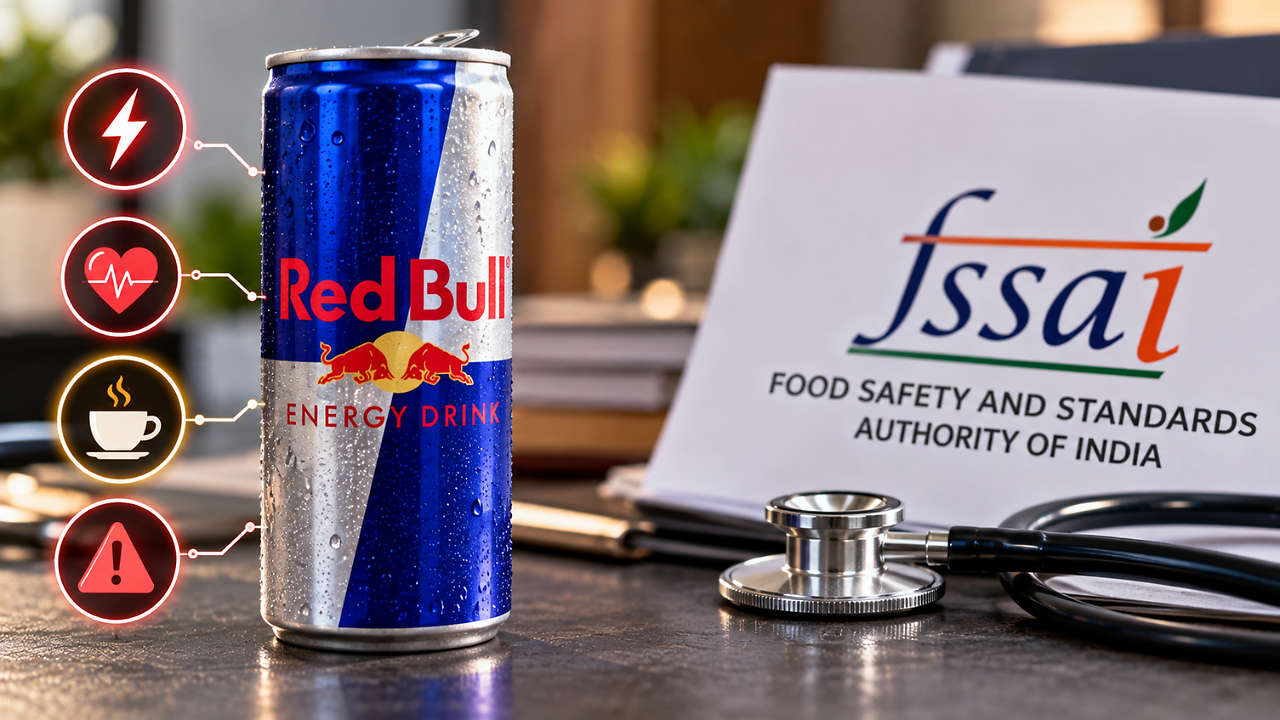
Red Bull got relief after Delhi High Court overturned a Food Safety and Standards Authority of India (FSSAI) order that instructed the Austrian beverage giant to drop its ‘energy drink’ label. In a recent ruling, the court made its decision after it found that the Indian food regulator did not give sufficient time to the company to present its case. While the legal fight between the food regulator and the billion-dollar beverage giant boils down to just two words on a can, the health question is much bigger: What does drinking an energy drink like Red Bull actually do to the body? FSSAI Vs Red Bull FSSAI had said India does not have a notified food standard specifically defining an “energy drink”, objecting to brands like Red Bull making claims like boosting energy or enhancing focus. The regulator's concerns also included linked to what these beverages actually contain, particularly excessive caffeine, sugar, and other controversial ingredients like taurine. The biggest concern that the lawsuit is built upon is what causes the sudden surge of ‘energy’ after someone consumes this drink. Is it giving your body useful energy?Also read: High Sugar, Salt Or Fat? India May Mandate Red Hexagon Labels On Food Packs Red Bull’s Ingredients And What It Does To Your Body Caffeine One of the main ingredients responsible for the immediate feeling of energy alertness is caffeine. Caffeine stimulates the central nervous system, making you feel more awake and less tired. But that boost does not mean the drink is providing the body with sustained energy in the nutritional sense. Depending on the product, energy drinks can also contain substantial amounts of added sugar, which adds calories but does not make the drink healthier. The caffeine content of energy drinks varies considerably. The US FDA notes that energy drinks can contain roughly 41 to 246 mg of caffeine per 12 fluid ounces, depending on the product. The energy boost claim may comes from the caffeine content, which is what consumers should be mindful about. Too much caffeine can lead to faster heartbeat, palpitations, increased blood pressure, anxiety, jitters, headaches, nausea and sleep disruption. For most healthy adults, the FDA cites 400 mg of caffeine a day.Also read: Every Extra 100g Ultra-Processed Food Linked To 14% Higher Heart Risk, 11% Higher BP Risk Energy drinks can also temporarily increase blood pressure and cardiovascular load. A 2024 review and meta-analysis of randomised trials found that energy drinks acutely increased systolic and diastolic blood pressure in healthy adults. Excess caffeine in young people can cause palpitations, increased heart rate and blood pressure, anxiety, sleep problems and digestive symptoms. Therefore, the FDA and medical experts advise against energy drinks for children and teenagers. This is also why energy drinks have attracted regulatory restrictions worldwide. England, for example, plans to prohibit their sale to under-16s from April next year. Sugar The sugar content is another reason to be careful about how often you drink energy drinks. Regular and frequent consumption of high amounts of added sugar, through liquid calories like energy drinks, can increase overall calorie intake and contribute to weight gain and obesity. Over time, excess sugar intake is also linked with a higher risk of metabolic problems like type 2 diabetes and fatty liver disease. For people who regularly consume these energy drinks, the concern is therefore not just the caffeine, but also how much added sugar they are consuming with each can.Taurine HealthAndMe previously reported that taurine may help fuel the growth of certain leukaemia cells. The research raised questions about taurine's role in blood cancer. The research was about the behaviour of cancer cells and does not establish that taurine-laced energy drinks cause blood cancer in humans. Taurine occurs naturally in protein-rich foods like meat and fish and is also produced in the human body. Known for its function of maintaining fluid balance, cardiovascular support, and electrolyte regulation, taurine has been touted for years as a "health-enhancing" supplement. Taurine is also added to energy drinks for its claimed brain-boosting and anti-inflammatory effects and is marketed as a means to enhance mental concentration and physical output. A study by University of Rochester's Wilmot Cancer Institute revealed how leukemia cancer cells hijack taurine as an energy source. Specifically, the cancer cells take in taurine to fuel glycolysis—a biological process that allows them to produce energy and proliferate at a fast rate.The bottomline is that the Delhi High Court's ruling does not mean that Red Bull has been declared healthy. It addresses whether FSSAI followed the correct procedure when restricting the “energy drink” label. So even though Red Bull can be marketed and sold as an “energy drink”, it cannot be automatically considered healthy.