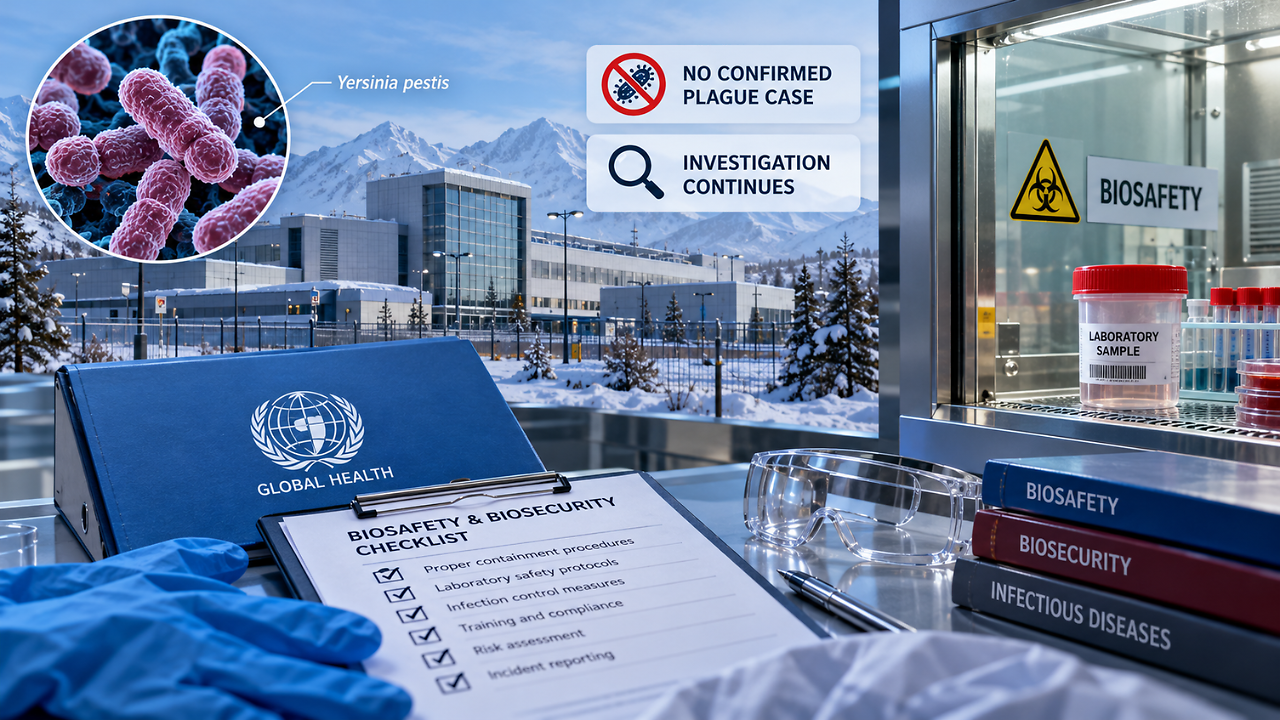
The World Health Organization (WHO) has renewed attention on the importance of laboratory biosafety and biosecurity after the death of a worker at a plague research institute in Siberia, Russia. This comes even after Russian authorities confirm that no laboratory accident or confirmed plague infection.In a Disease Outbreak News update published on October 10, the WHO stated it had not identified evidence of ongoing transmission of pneumonic plague linked to the incident. However, the cause of the worker's fatal pneumonia remains unexplained, leaving several emergency public health questions unanswered. A 28-year-old lab technician of the Irkutsk Anti-Plague Research Institute who was hospitalised with severe pneumonia on September 29 and died on October 2. Initial media reports suspected possible pneumonic plague following occupational exposure, but Russian authorities reported that tests had not detected plague or other dangerous pathogens.WHO's Inquiry Also read: Plague Treatable, CDC Monitoring US Arrivals From Russia After Worker’s Death, Says Director Erica Schwartz According to updates provided by Russian authorities, more than 5,500 laboratory tests were conducted as part of the investigation. No high-threat pathogens were detected among high-risk contacts. Additionally, the contacts reportedly displayed no alarming symptoms.Russia also told the WHO that two independent investigations found no laboratory biosafety or biosecurity incidents at the institute. The authorities classified the death as pneumonia of "undetermined origin" rather than plague. However, the WHO has highlighted the fact that it has not received information about the confirmed cause of the fatal illness.In its assessment, the agency stated, "A key uncertainty for this event is the absence of a confirmed diagnosis in the deceased laboratory worker."The WHO added that the occupational setting remained relevant because the worker was employed at an institution that handled high-risk pathogens. “A laboratory-associated exposure therefore cannot be fully excluded at this stage,” the report said.This does not establish that an accident occurred. Rather, it points towards the limits of the available evidence while the cause of death remains unresolved.WHO Reiterates Laboratory Safety RulesAlso read: Russia Denies Second Plague Case As WHO Seeks Answers On Lab Death; Trump Says It’s Not A BioweaponThe WHO's advice focuses on preventing occupational exposure to hazardous biological agents and reducing the risk of accidental leaks.The agency emphasised that laboratories handling dangerous pathogens should maintain robust biosafety, biosecurity and infection prevention and control practices. These precautions apply routinely, regardless of whether a particular incident has been confirmed.The WHO specifically clarified that its recommendation was precautionary and did not imply that a laboratory-related infection or incident had been confirmed yet.Biosafety involves practices and equipment designed to prevent accidental exposure to infectious pathogens, while biosecurity focuses on preventing their loss, theft, misuse or unauthorised release.Plague Outbreak Risk The WHO said it had found no evidence of ongoing transmission associated with the incident. Russian authorities reported no recent plague cases in the Irkutsk region and said medical monitoring of contacts had been completed.However, the absence of a confirmed diagnosis means the exact cause of the worker's death remains unknown, keeping loose ends open. The WHO said additional clinical, epidemiological and laboratory information would help strengthen its assessment. Pneumonic plague, the form that initially prompted concern, affects the lungs and can spread between people through infectious respiratory droplets. It can be fatal without prompt treatment, although antibiotics can be effective when administered early.