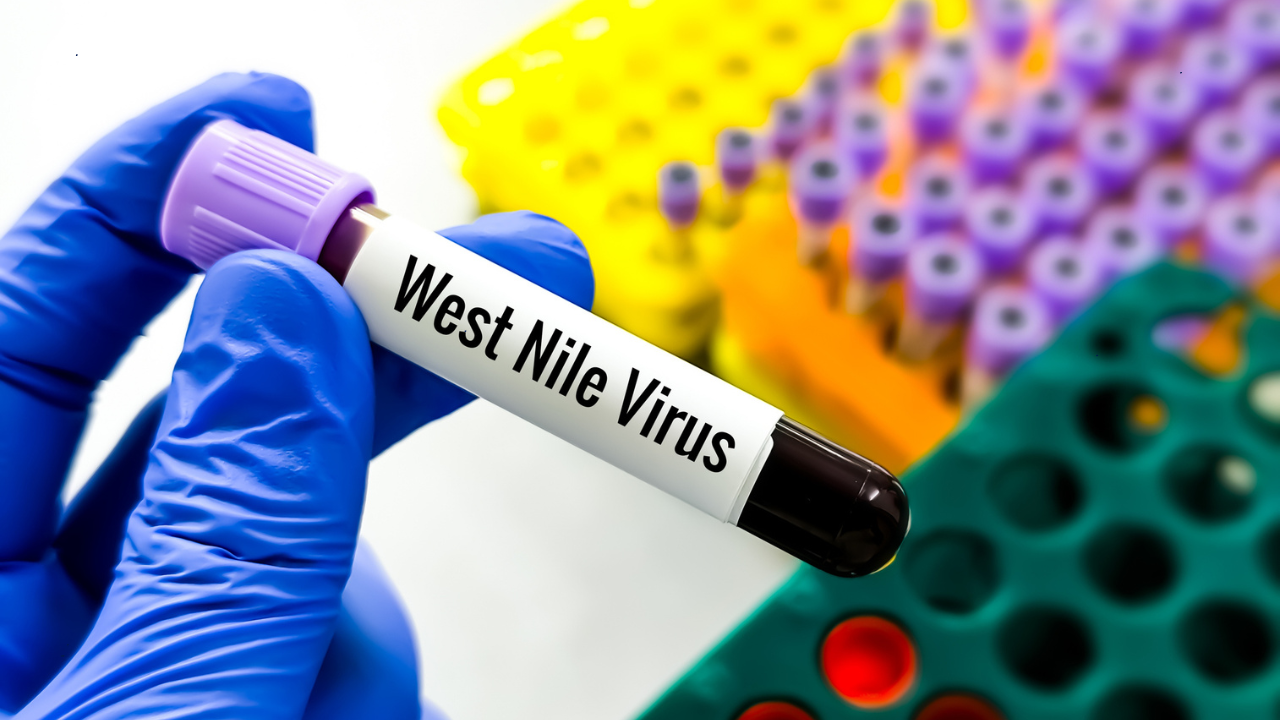
Health authorities in Kerala have sounded an alarm following five suspected cases of West Nile fever (WNF) in Ernakulam. The cases were reported from Elanji, Eroor in Thripunithura, Pallikkara in Kizhakkambalam, Ponekkara in Edappally, and Palluruthy, The Hindu reported.While the cases are yet to be ascertained, the southern state of India has a prevalence of mosquito-borne diseases during the summer months. “We haven’t received any confirmation of WNF cases. These are suspected cases and can be confirmed only after tests are carried out," Dr. R. Shahirsha, District Medical Officer (DMO), Ernakulam, was quoted as saying.Notably, the authorities have sent the samples for testing, and results will be available in 14 days. "While no cluster has been observed, precautionary measures to prevent mosquito breeding need to be implemented,” Dr Shahirsha said. Keeping canals clean and preventing mosquito breeding inside homes and in surrounding areas are critical steps, the authorities said.What is West Nile Fever The disease is spread through mosquito bites, and most who get infected do not have any symptoms. However, one in every five infected people has a fever, headache, body aches, and other flu-like symptoms. The West Nile virus also infects the nervous system and is capable of causing serious brain or spinal cord inflammation. According to the WHO, West Nile Virus is a member of the flavivirus genus and belongs to the Japanese encephalitis antigenic complex of the family Flaviviridae. The mosquitoes become infected when they feed on birds that carry the virus in their blood, and then bite humans and infect them. It is found in different parts of the world, including North America, Europe, Africa, Central Asia, Australia, and Asia. Cases in 49 states in the US have been reported, and the total number of symptomatic cases in the US is 51,000 since the first cases were detected in the country in 1999. What Are The Symptoms?The symptoms include fever, headache, muscle aches, nausea and vomiting, diarrhoea, rash around the chest and back, swollen lymph nodes, sore throats, and pain behind the eyes. In severe cases, individuals may have an intense headache, high fever, stiff neck, making you unable to move your chin towards your chest, confusion, muscle weakness, loss of control over your muscle movements, seizures, paralysis, and coma. How Can It Spread? While the mosquitoes that feed on infected birds are the carriers, there is still a lack of evidence to determine whether it comes directly from the birds. The incubation period for symptoms to show up is two to six days, but it can extend to 14 days, too. It can be transmitted from a pregnant person to their fetus, through human milk, blood transfusion, and organ transplant. People who are over the age of 60, have cancer, diabetes, or high blood pressure are more prone to the virus. Why Is It called West Nile Fever? It gets its name from the West Nile district, where it was first discovered in 1937 in Uganda. Treatment There are no treatments or antiviral medications available for it. However, you can treat the mild symptoms at home with over-the-counter medications that you take for a cold or the flu. The best way to prevent is to protect yourself from mosquito bites.