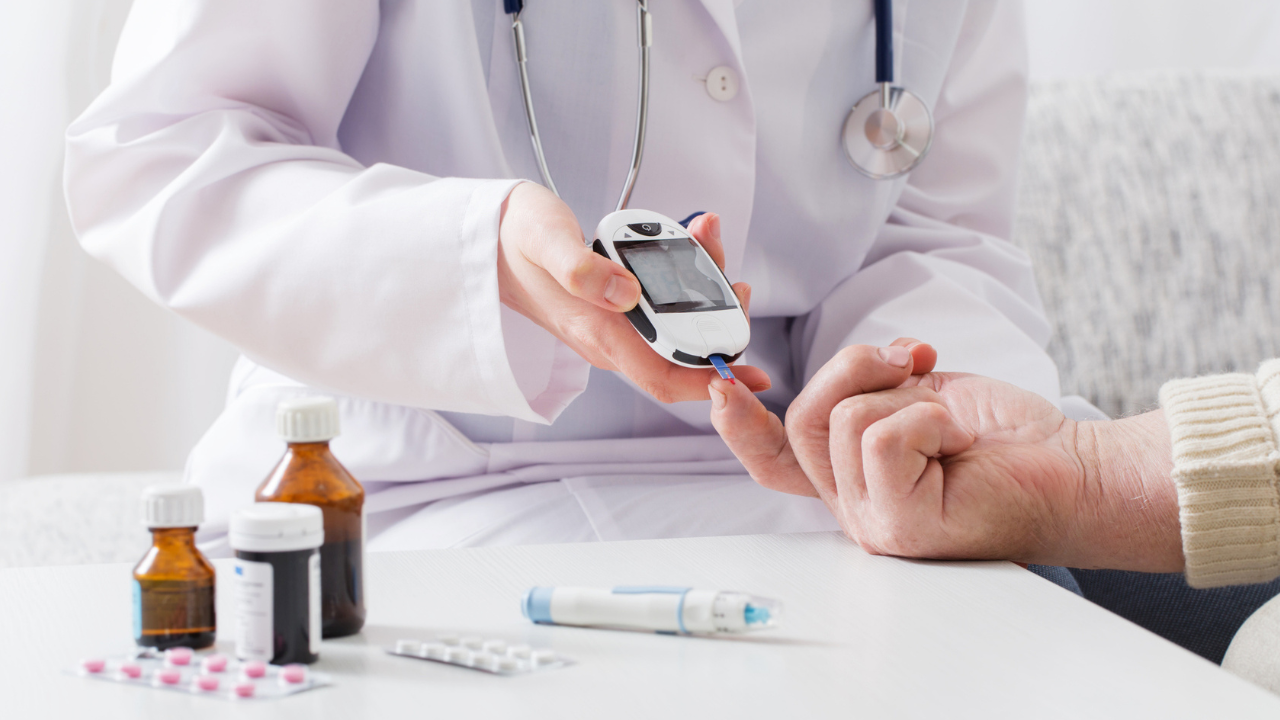
A type of common diabetes drugs prescribed to millions of diabetics has hidden, life-threatening complications, especially among those with certain risk factors. The findings are based on a new study published in The Lancet Diabetes & Endocrinology. It studied nearly 280,000 people with type 2 diabetes treated with SGLT2 inhibitors, a class of drugs that includes dapagliflozin, empagliflozin, canagliflozin and ertugliflozin. A research team from Karolinska Institute found that some patients were more likely to develop diabetic ketoacidosis (DKA) while taking these drugs. The research comes after a study showed deaths from ketoacidosis are on the rise in the UK. Last year researchers from Imperial College London found ketoacidosis cases increased by a massive percentage of 81 per cent between 2015 and 2023. What Is Diabetic Ketoacidosis And What Are Its Warning Signs? DKA occurs when the body produces excessive amounts of ketones, making the blood dangerously acidic. It can become life-threatening if it is not treated promptly. Its symptoms can include excessive thirst, urinating frequently, stomach pain, nausea, vomiting, diarrhoea and blurred vision. More serious warning signs include deep or unusual breathing, fruity breath, extreme tiredness, sleepiness, or confusion. Researchers said that developing an infection was the most common trigger of ketoacidosis. They also said that kidney problems, stroke and major surgery were also seen as triggers in patients who developed it.Also read: Thailand’s HIV Cases Cross 550,000 In 2026; Over 25,000 Among 15–24s What Are The Study's Findings? SGLT2 inhibitors reduce blood sugar by helping the kidneys remove excess glucose through urine. They are widely used in type 2 diabetes treatment as their benefits extend to the heart and kidneys as well. Some studies have also linked them to weight loss. However, these medicines can encourage the body to rely more heavily on fat for energy. This process can increase ketone production, increasing the risk of ketoacidosis in susceptible patients. The study found that the risk was particularly high among people who had previously experienced ketoacidosis, had high blood sugar, were underweight, or showed signs of malnutrition. Patients with a history of dangerously low blood sugar (hypoglycaemia) were also at increased risk.Also read: Once-Weekly Oral Combination HIV Pill Shows Promise As Alternative to Daily Treatment Greater Risk At The Beginning Of The Treatment While patients faced their greatest risk during the first few months after starting an SGLT2 inhibitor, researchers found that the risk persisted for as long as they continued taking the medicine. This finding is contradictory to previous research that has largely focused on ketoacidosis occurring soon after treatment begins. Peter Ueda, assistant professor at the Department of Medicine at the Karolinska Institute, said the findings should not be interpreted as a reason for patients to stop their medication. “SGLT2 inhibitors provide medical benefits for many patients,” Ueda said.“Our findings are not primarily about avoiding treatment, but about improving our ability to identify high-risk patients and use these medicines more safely,” he added. The findings can help doctors identify people who may need closer monitoring before and during treatment, particularly if they have previous ketoacidosis, are underweight or malnourished, or develop an infection.