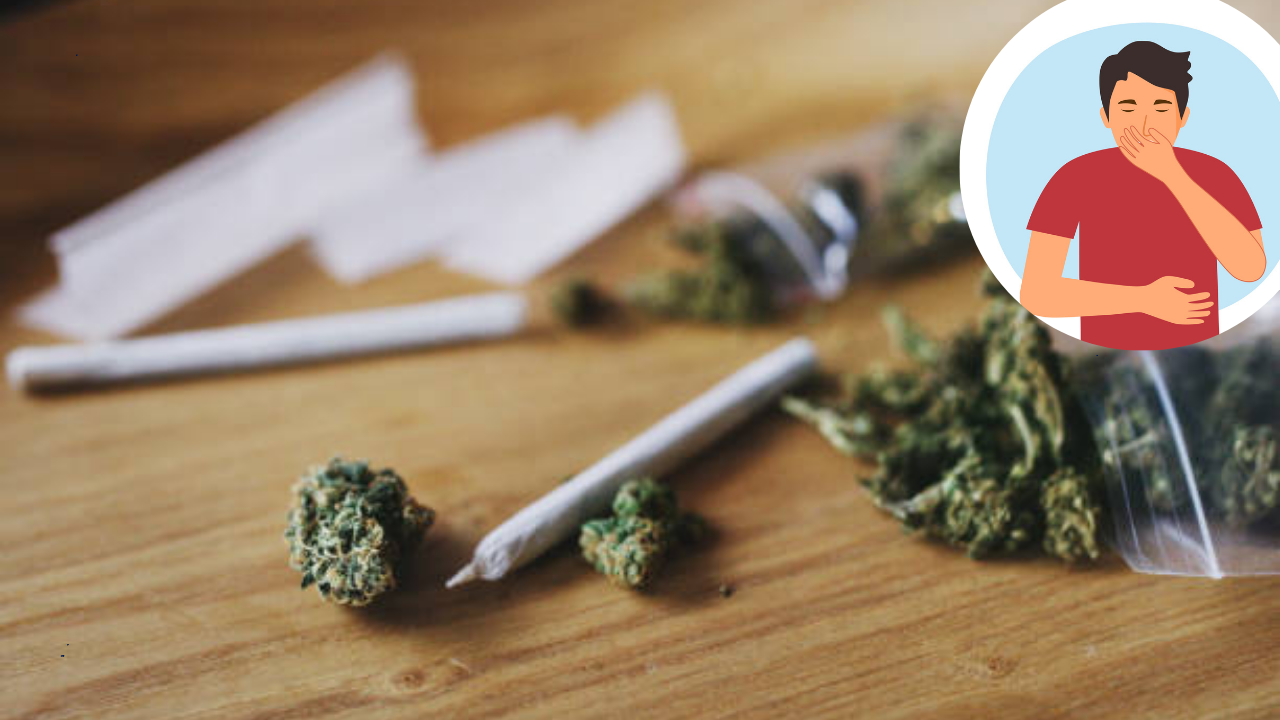
‘Scromiting’ is back in the news as emergency department visits in the US involving cannabis hyperemesis syndrome (CHS) were 3.7 times as high, according to a CDC report.CHS is associated with frequent cannabis use and is characterized by episodes of severe nausea, vomiting and abdominal pain. The term “scromiting” refers to a combination of screaming and vomiting that can occur during severe episodes.The CDC’s Morbidity and Mortality Weekly Report (MMWR), which analyzed data from January 2023 through May 2026, found that the rate of emergency department visits involving CHS remained largely steady from January 2023 through September 2025.CHS is likely under-recognized in both adolescents and adults. Clinicians may not routinely assess or document cannabis use, while CHS can also be misdiagnosed as other gastrointestinal conditions, including cyclic vomiting syndrome.To improve clinical identification, a specific International Classification of Diseases, Tenth Revision, Clinical Modification (ICD-10-CM) discharge diagnosis code for CHS was introduced on October 1, 2025. The CDC report examined CHS-related emergency department visits before and after the code was introduced.The change was immediate. From September 2025 to October 2025, CHS-involved emergency department visits jumped from 3.35 per 10,000 to 11.26 per 10,000. The rate rose further to 13.10 per 10,000 by May 2026.From October 2025 through May 2026, CHS-involved emergency department visits were 3.7 times as high as the monthly average recorded before the new diagnostic code was introduced.The CDC noted that the new code made the condition easier to identify and track, meaning the sharp increase may partly reflect greater recognition and documentation of CHS.Also read: Sugar Rationing In First 1,000 Days Linked To Lower Depression, Cancer Risk In Adulthood What Is Cannabis Hyperemesis Syndrome?CHS is a syndrome associated with prolonged, frequent cannabis use. It is characterized by sudden episodes of severe nausea, repeated vomiting and abdominal pain.Reports of suspected CHS increased sharply between 2016 and 2022, with the largest increase occurring during the COVID-19 pandemic. The CDC noted that the rise also coincided with widespread state-level cannabis legalization in the US, although cannabis remains illegal under federal law.People with CHS often seek medical care because symptoms can be severe and debilitating. Outcomes can range from resolution of symptoms after stopping cannabis use to, in rare cases, death.When Was CHS First Identified?CHS was first identified in Australia in 2004, yet nearly two decades later, the condition remains poorly understood. It typically affects people who use marijuana daily or near daily for more than a year. Symptoms can include severe nausea, repeated vomiting and abdominal pain, along with a compulsive desire to take extremely hot showers or baths.Many patients report that heat temporarily eases their symptoms, although the relief is often short-lived.Symptoms Can Last For DaysRead More: Scottish Toddler With Rare UV Disorder Gets UV-Safe Home: All About Inherited XPCHS episodes can last for days, while recovery may take weeks or even months, depending on overall health, eating habits and whether the person stops using marijuana. Continuing to use cannabis can quickly trigger symptoms again.A study from George Washington University found that nearly half of surveyed patients had been hospitalized at least once because of CHS. Many reported using marijuana more than five times a day before symptoms began. Starting cannabis at an early age was also linked to a higher likelihood of developing the condition.Why Is CHS Still Poorly Understood?Researchers emphasize that CHS is real, although many questions remain unanswered, including why hot showers provide temporary relief and how much cannabis use puts someone at risk.Health experts say greater clinical awareness is needed. Better screening for cannabis use and recognition of symptom patterns could help reduce misdiagnosis and guide patients towards the only proven treatment: stopping marijuana use.