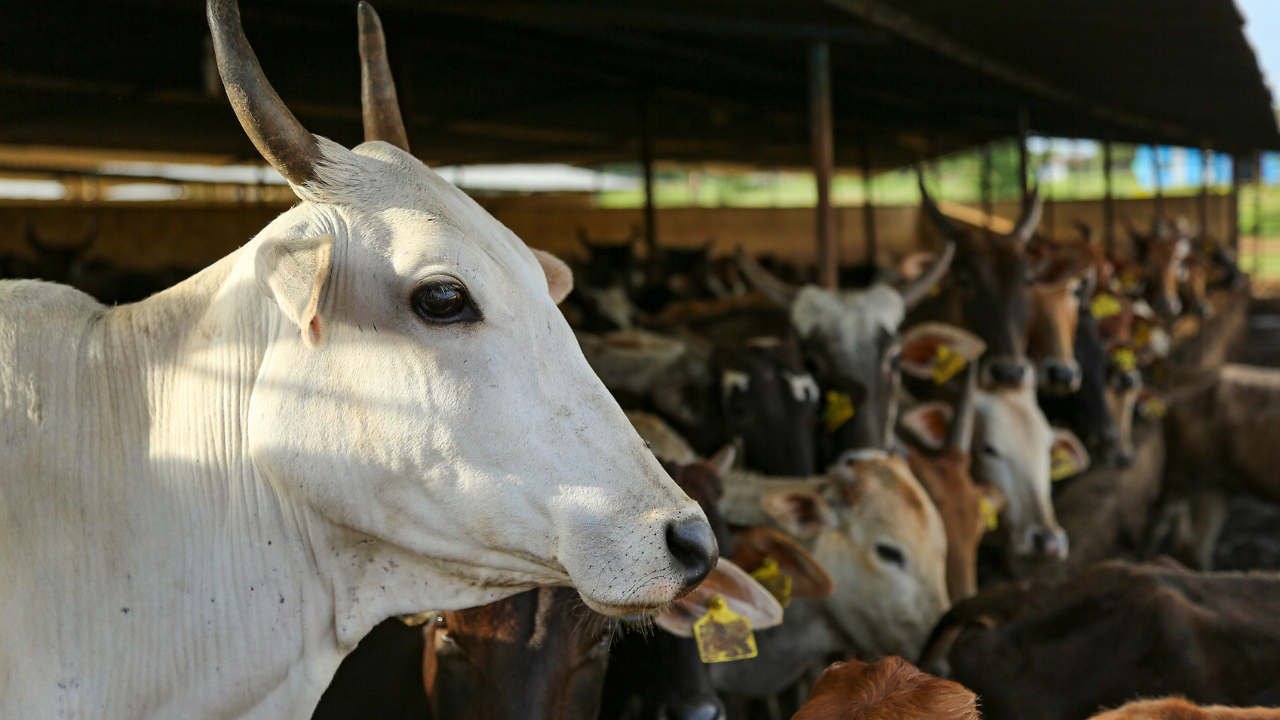
Around 450 people in Gorakhpur district of Uttar Pradesh have received anti-rabies vaccinations after consuming charanamrit prepared with milk from a cow suspected of being rabid. The animal died after exhibiting unusual behaviour, which sparked concern among residents of two villages who may have consumed milk from the same cow.The health department organised a vaccination camp in Dadi Khas village, in the Gola block of Gorakhpur, on October 21. Officials said around 50 people received the vaccine on Tuesday, followed by another 400 during the camp on Wednesday.450 People In UP Consume Milk From A Suspected Rabid CowThe incident came to light after the cow's condition deteriorated and the animal died on Tuesday evening. According to its owner, Navami Yadav, the cow had appeared unwell for one or two days before its condition worsened. Private veterinarians suspected that a stray dog might have bitten the animal, although they did not confirm if the animal had rabies.The cow's milk had reportedly been supplied to two shops and various households, extending concern beyond those who consumed charanamrit during Durga Puja. Residents of Dadi Khas and neighbouring Govindpur village were among those affected by the concern over possible exposure.A health department team led by pharmacist Siddharth Singh visited the village and administered the vaccines. Amarendra Thakur, the in-charge of the community health centre, advised residents concerned about exposure to consult medical professionals and follow the recommended vaccination schedule. He also said arrangements would be made to ensure vaccines remained available at the health centre.Also read: Decoding Unusual Rabies Symptoms: Why Can Rabies Cause a Fear of Water, Air or Wind?Can Rabies Spread Through Milk?The incident has raised questions about whether consuming milk from a suspected rabid animal can transmit the infection.Rabies is a viral disease that affects the central nervous system. It is mostly transmitted when the saliva of an infected animal enters the body through a bite or scratch, or comes into contact with broken skin or the mucous membranes of the eyes, nose or mouth. Dogs account for most human rabies cases worldwide, but other infected mammals, like cattle, can also carry the virus.However, there is no evidence that rabies is transmitted through the consumption of milk. The World Health Organization (WHO) states that post-exposure prophylaxis (PEP), which includes preventive treatment after a possible exposure, is not required solely because a person has consumed milk from a rabid animal. The WHO nevertheless advises against consuming milk from animals infected with rabies.India's National Rabies Control Programme provides similar guidance, stating that there are no evidence-based reports of human rabies arising from consuming milk, including breast milk. The cow in the UP incident was suspected of having rabies, but it had not been confirmed. But people who have consumed milk from a suspected infected animal should seek exposure advice from a healthcare professional. According to the WHO, suspected rabies exposure requires prompt assessment because the disease is almost invariably fatal once clinical symptoms develop, but can be prevented when post-exposure prophylaxis is administered on time. Treatment may involve wound care, course of rabies vaccinations and, rabies immunoglobulin in some cases.